


More news on this day
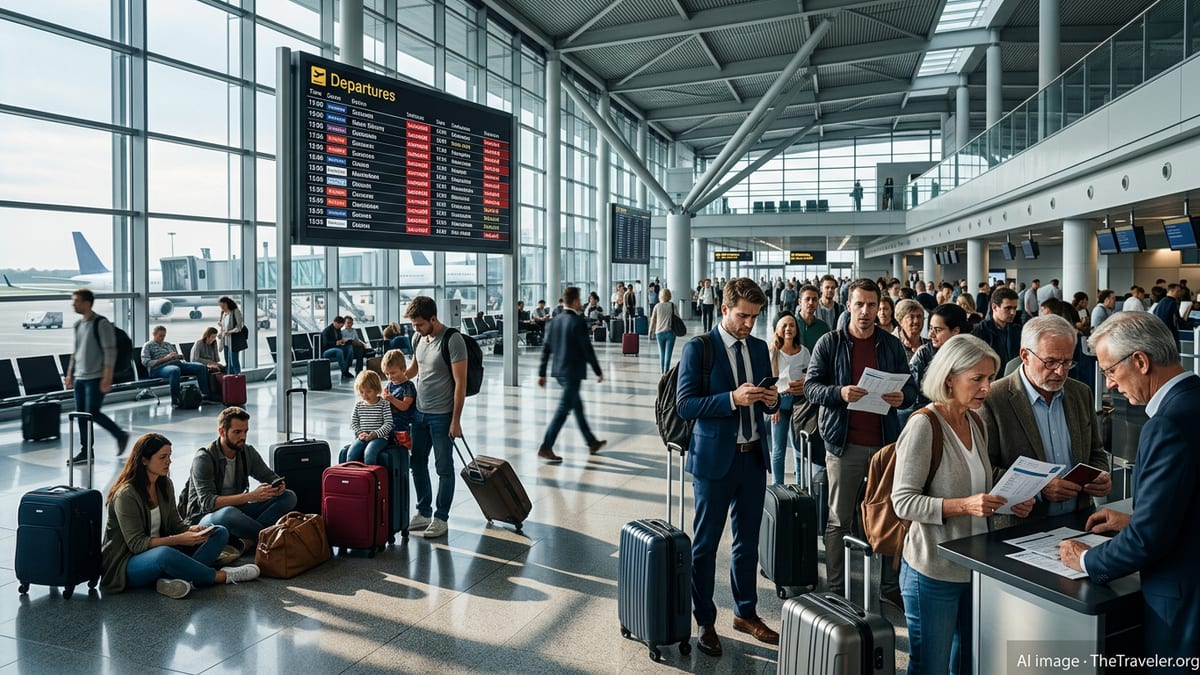
Hundreds of travellers were left stranded across Mexico on July 18 as a wave of delays and cancellations swept through airports in Mexico City, Cancún, Santa Lucía and Tijuana, disrupting at least 344 flights and forcing the cancellation of 26 services on carriers including VivaAerobus, American Airlines and other domestic and international airlines.
Get the latest news straight to your inbox!
Major Mexican Hubs Log Hundreds of Disruptions
Publicly available airport boards and media roundups for July 18 show an unusually high number of delayed departures and arrivals at Mexico’s busiest gateways, led by Mexico City International Airport. Dozens of flights scheduled for the capital either departed late or were held on the ground for extended periods, affecting connections across the country.
Similar patterns were reported at Cancún, one of Mexico’s busiest leisure hubs, and at Tijuana on the northern border, where delays rippled through routes linking the Pacific coast with central and northern cities. At Felipe Ángeles International Airport in Santa Lucía, north of Mexico City, a growing schedule of domestic services also saw knock-on disruptions.
Across these and several secondary airports, counts compiled from airline status pages and real time tracking platforms indicate that at least 344 flights experienced significant departure or arrival delays on July 18. In addition, 26 services were cancelled outright, forcing passengers to abandon travel plans or scramble for alternatives.
The disruption hit both domestic and cross border traffic, with services to and from US gateways such as Dallas Fort Worth and other large hubs affected. Travellers reported missed connections, long queues at customer service desks and difficulty securing same day rebooking as the operational strain built through the day.
VivaAerobus and American Airlines Among Most Affected Carriers
Low cost carrier VivaAerobus, which uses Mexico City and other Mexican hubs as key bases, featured prominently in the lists of delayed and cancelled flights. The airline operates dense domestic schedules linking the capital and regional cities with holiday destinations such as Cancún and Tijuana, making it particularly exposed when operations slow.
Flight tracking data for July 18 shows multiple VivaAerobus services on core routes such as Mexico City to Cancún and Mexico City to Tijuana facing late departures or extended arrival delays. Some flights were marked as cancelled, leaving passengers to seek refunds or wait for alternative departures as later services filled quickly.
American Airlines, a major US carrier with significant operations into Mexico City, Cancún and other Mexican airports, was also caught up in the disruption. Several American Airlines flights connecting Dallas Fort Worth and other US hubs to Mexican cities reported substantial delays, while a number of services were removed from the day’s boards.
Other Mexican and foreign airlines, including full service and low cost operators, also recorded irregular operations. However, the impact appeared heaviest on carriers with higher daily frequencies into the main Mexican hubs, where a single disrupted rotation can cascade into multiple late departures throughout the schedule.
Weather, Congestion and Network Complexity Drive Knock On Delays
Reports from aviation monitoring services and local media point to a mix of factors behind the spike in disrupted flights. Periods of adverse weather around Mexico City and other hubs in recent days, combined with seasonal traffic peaks, have pushed airport and airline operations close to capacity.
When storms or low visibility conditions slow arrivals and departures, aircraft can be forced into holding patterns or temporarily diverted, compressing already tight turnaround times. At Mexico’s busiest airports, where runways and taxiways handle dense traffic from early morning until late at night, even minor slowdowns early in the day can leave airlines struggling to recover.
Operational bulletins from Mexico’s civil aviation authorities earlier this year highlighted how infrastructure constraints and rapid growth in low cost traffic increase the vulnerability of the system to disruption. As new airports like Felipe Ángeles in Santa Lucía absorb more flights from Mexico City, the complexity of coordinating schedules across multiple hubs has grown.
Analysts note that airlines with high aircraft utilization, such as many low cost carriers, have less slack in their systems. When one flight is delayed, the same aircraft might then depart late on its next sectors, spreading disruption across multiple cities in a single day.
Stranded Travellers Face Long Waits and Limited Options
Passengers caught in the July 18 disruption reported long queues at check in counters and service desks as they tried to rebook. With many flights already near capacity at the height of the summer travel period, options for same day rerouting were limited on some of the most popular routes.
For travellers in cities such as Tijuana and Cancún, where air links are essential for long distance journeys inside Mexico and to the United States, cancellations meant unexpected overnight stays. Hotels near airports saw increased demand, and passengers unable to secure accommodation inside terminals turned to nearby districts in search of rooms at short notice.
Publicly available information from consumer advocacy groups in Mexico emphasises that passengers whose flights are cancelled or experience long delays may be entitled to assistance, including meals, accommodation and, in some cases, compensation. The level of support can vary depending on the cause of disruption, whether it is attributed to weather, air traffic control restrictions or airline operational issues.
Travel advisers recommend that affected customers keep all receipts for additional expenses, check airline conditions of carriage and, where applicable, consult Mexico’s air passenger rights regulations. Those flying on international tickets may also fall under different legal frameworks, particularly on routes to and from the United States or Canada.
What Travellers Should Do If Flying Through Mexico
With operational pressures likely to persist through the busy July and August peak, aviation analysts suggest that travellers transiting Mexican hubs build extra time into their itineraries. Allowing longer layovers between domestic and international flights can reduce the risk of missed connections when delays occur.
Passengers are advised to monitor flight status closely on airline apps and airport boards from at least 24 hours before departure, since schedule changes and rolling delays often appear first in digital channels. Early awareness can give travellers more options to adjust plans, particularly when alternative flights are still available.
Those already at the airport are encouraged to approach airline representatives or use digital self service tools to explore rebooking options if a delay becomes lengthy. In some cases, rerouting via another Mexican city or using a different airport in the same region, such as flying into Tijuana and continuing overland, can shorten overall travel time.
Industry observers note that while Mexico’s air network has expanded rapidly in recent years, ensuring resilience during peak travel periods remains a challenge. The July 18 disruptions across Mexico City, Cancún, Santa Lucía and Tijuana illustrate how quickly a combination of weather and congestion can strand hundreds of travellers across the country.