


More news on this day
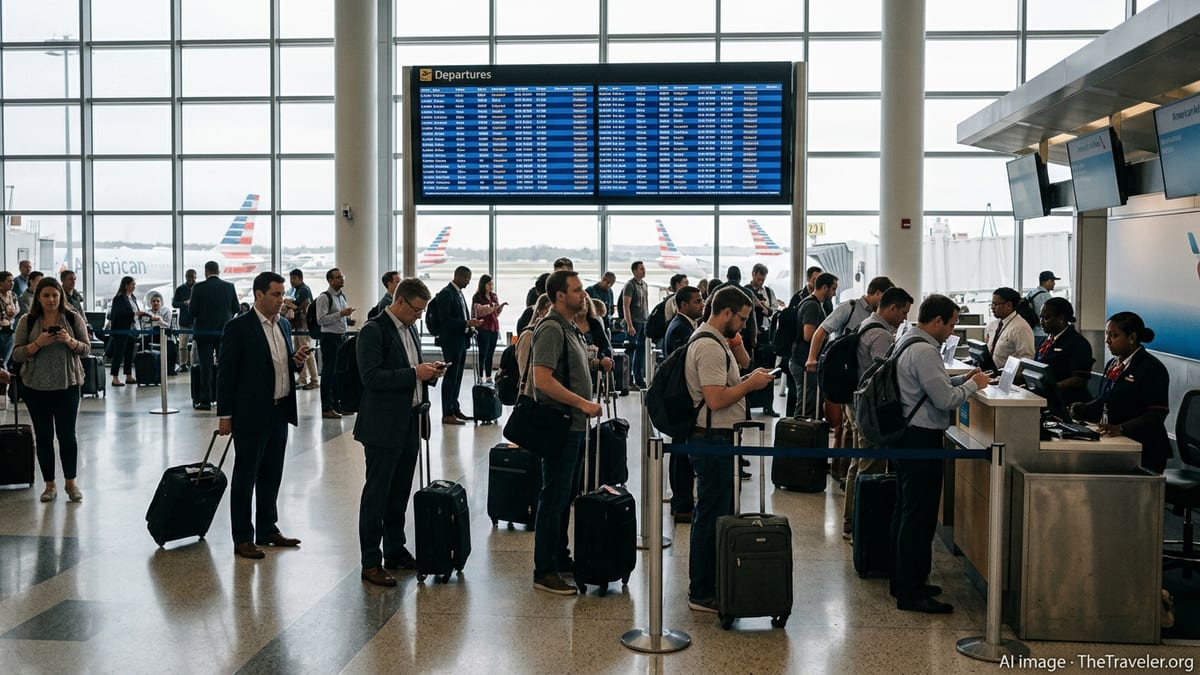
Flight operations at Doha’s Hamad International Airport faced a fresh wave of disruption this week, with publicly available tracking data indicating 237 delayed services and 14 cancellations affecting routes across the United Arab Emirates, Egypt, India, Hong Kong and other major markets.
Get the latest news straight to your inbox!
Heavy Disruption at a Major Gulf Hub
Doha’s Hamad International Airport functions as one of the Gulf region’s primary connecting hubs, and the scale of the latest disruption has had a visible impact on regional and long-haul traffic. Data compiled from real-time flight trackers and airport departure boards over the past 24 hours points to hundreds of delayed departures and arrivals at the airport, along with a cluster of cancellations concentrated on busy trunk routes.
The 237 delays reported span both inbound and outbound services, affecting short regional hops as well as overnight intercontinental flights. While some delays were limited to schedule slippages of under an hour, a significant portion involved multi-hour hold-ups that forced passengers to miss onward connections or face extended time in transit.
The 14 cancellations identified across the same period removed thousands of seats from the schedule at short notice. These cancellations were spread across different time bands, reducing flexibility for travelers attempting to rebook and adding additional strain to already crowded alternative services.
Operational updates issued in recent months have consistently cautioned that schedules remain subject to change, and the latest figures underline how quickly disruption at a single hub can reverberate across multiple continents in the current environment.
Regional Routes to UAE and Egypt Under Pressure
Short-haul routes between Doha and nearby Gulf and North African cities have been among the most affected. Publicly available information from flight-tracking platforms shows multiple delayed departures from Doha to major airports in the United Arab Emirates, including Dubai and Abu Dhabi, as aircraft and crews rotated late from earlier sectors.
Services linking Doha with Cairo and other Egyptian gateways have also been hit by delays and isolated cancellations, according to the same tracking data. These city pairs are heavily used by labor traffic, family visitors and business travelers, meaning disruption can quickly translate into crowded airport terminals and long rebooking queues.
Analysts note that when a wave of delays builds up on regional sectors, it can create a knock-on effect for the broader network. Aircraft arriving late into Doha from nearby points in the UAE or Egypt often feed into long-haul departures to Europe, North America or Asia, compounding timetable challenges further down the line.
Published coverage of recent Middle East operational conditions has highlighted how carriers have been navigating fluctuating airspace constraints and tight fleet utilization. Against that backdrop, even localized timetable strains can prove difficult to absorb without affecting a wide range of destinations.
India and South Asia See Knock-on Delays
India sits at the heart of the Doha hub’s strategy, serving as both an origin and destination market and a key source of connecting traffic to Europe and North America. Flight-tracking dashboards this week showed late-running services between Doha and several major Indian cities, including Mumbai, Delhi and Kochi, with some departures held for connecting passengers and others delayed by late-arriving aircraft.
Where delays on India-bound flights stretch into several hours, they can disrupt carefully timed overnight itineraries. Passengers traveling from Indian cities via Doha to onward points in Europe or the Americas often rely on tight connection windows; when the first leg is delayed, re-accommodation options can be limited, especially during the busy summer travel period.
Reports from consumer forums and social media reflect a rise in customer complaints relating to missed connections and rebookings on South Asia routes that touch Doha. While many travelers have eventually been able to continue their journeys, the combination of limited available seats and rolling delays has increased the likelihood of overnight stays and extended layovers.
Industry observers suggest that South Asian sectors may be particularly vulnerable to disruption because they typically operate with high load factors and limited slack in daily rotations, making it harder to recover once schedules slip.
Long-Haul Links to Hong Kong and Beyond Affected
The latest disruption has not been confined to regional traffic. Long-haul flights linking Doha with East Asia, Europe and North America have also registered delays and a share of the reported cancellations. Flight-status tools indicate late departures on services to major Asian gateways, including Hong Kong, with some departures pushed back by several hours.
On Europe and North America routes, cancellations and extended delays on select flights have been recorded in live-tracking databases. Canceled departures from Doha to cities such as London, Oslo and Boston have removed entire rotations from the schedule, leaving passengers to seek seats on later flights or alternative routings through other hubs.
Published analyses of the wider Middle East aviation picture in 2026 describe a network still adjusting to earlier regional airspace closures and shifting traffic flows. Even as airlines restore much of their capacity, complex routings and heightened operational demands can contribute to sporadic spikes in disruption, particularly at central transfer points like Doha.
Travel specialists note that long-haul connections are especially sensitive to delay patterns. A late departure from Doha to a distant destination often translates into crews exceeding working-hour limits or aircraft arriving late into the next day’s schedule, increasing the risk of further timetable changes.
What Passengers Connecting Through Doha Should Expect
For travelers currently booked to fly through Doha, the latest disruption underscores the importance of monitoring flight status closely and building flexibility into itineraries where possible. Flight-status portals and airport information boards have been providing near real-time updates on departure and arrival times, helping passengers assess their options before leaving for the airport.
Recent travel advisories and publicly available guidance from airlines using Doha as a hub emphasize that schedules may be adjusted at short notice in response to operational needs. In practice, this can mean anything from small departure slips to same-day consolidations of lightly loaded services, as carriers work to optimize aircraft and crew deployment.
Passengers on itineraries involving tight connections across the UAE, Egypt, India or East Asia may wish to prepare for longer layovers or potential overnight stays if delays accumulate. Consumer advocates advise retaining documentation of disruption, such as screenshots of flight-status changes and any written notifications, in case travelers later seek compensation or reimbursements under applicable regulations or airline policies.
While Hamad International Airport continues to handle a high volume of flights, the current pattern of 237 delays and 14 cancellations illustrates how quickly conditions can shift at a global hub. Travelers planning to transit Doha in the coming days are being encouraged by publicly available travel guidance to remain attentive to schedule updates and allow extra time for connections wherever possible.