


More news on this day
Passengers traveling through Houston George Bush Intercontinental Airport in Texas on May 26 faced widespread disruption as more than 100 flights were delayed and several were cancelled, interrupting United, American and Delta Air Lines services on busy domestic and transatlantic routes.
Get the latest news straight to your inbox!
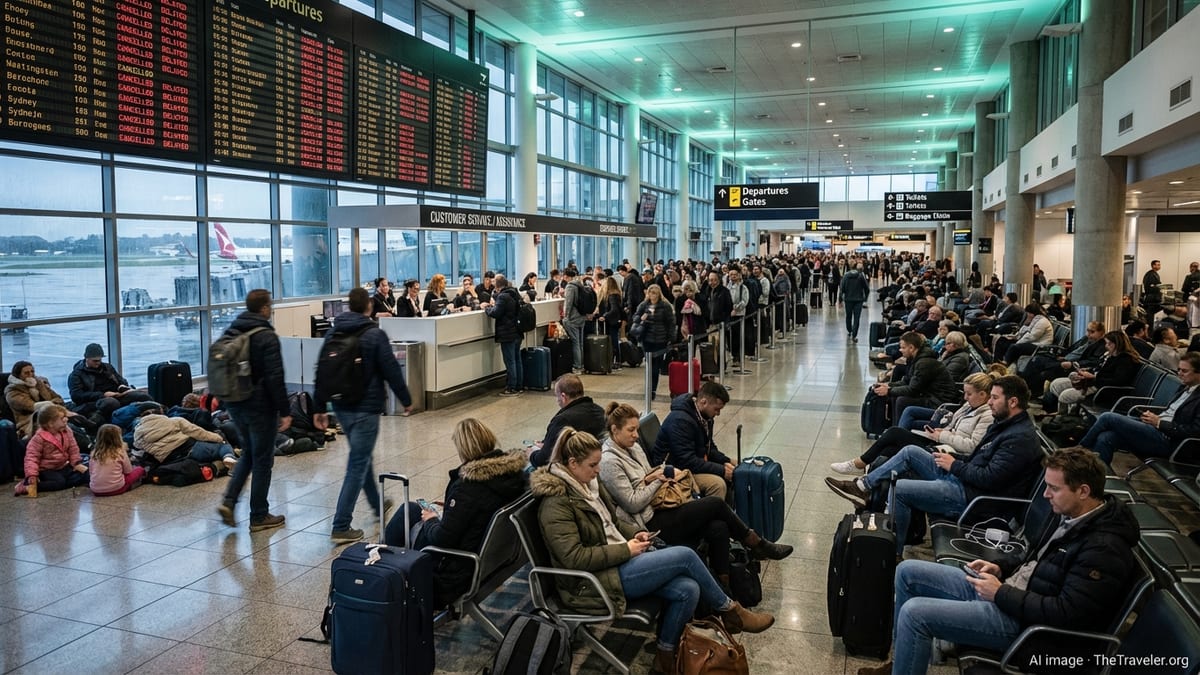
Operational Strain at a Major Houston Hub
Publicly available tracking data from multiple aviation platforms on Tuesday show that Houston George Bush Intercontinental Airport recorded well over one hundred delayed departures and arrivals, along with a smaller number of cancellations, over the course of the day. The ripple effects were felt most acutely by passengers booked on United Airlines, American Airlines and Delta Air Lines, which operate dense schedules from the airport.
Reports indicate that at least 115 flights experienced significant delays and four were cancelled, creating long queues at check in, security and rebooking desks. Houston Bush serves as a key hub for United and an important station for American and Delta, meaning operational issues there can quickly spill over to other parts of the domestic and international network.
Data compiled by flight status services show that delays were spread across morning, afternoon and evening waves, rather than confined to a single weather cell or peak period. Travelers reported missed connections and last minute gate changes as airlines worked to re-sequence aircraft and crews to keep as much of the schedule operating as possible.
By late afternoon, departure boards at Houston Bush still displayed a mix of delayed, boarding and on time flights, indicating that airlines were gradually working through the backlog but that many passengers were likely to arrive several hours later than planned.
Dallas–Fort Worth Routes Hit by Cascading Delays
Among the hardest hit links were the frequent shuttle style flights between Houston and Dallas–Fort Worth International Airport. The route is normally operated multiple times a day by several major carriers and is relied upon by business travelers and connecting passengers who use Dallas–Fort Worth as a gateway to other U.S. regions.
According to flight tracking boards and historical on time performance data, this corridor already experiences regular pressure from weather and congestion at both ends, and Tuesday’s disruption added further strain. Delayed departures from Houston forced airlines to hold or rebook onward connections out of Dallas–Fort Worth, increasing crowding at departure gates there and lengthening overall journey times.
Some services between Houston and Dallas–Fort Worth were cancelled outright, reducing capacity on a route where same day alternatives can quickly sell out when irregular operations occur. Travelers who depended on tight connection windows through North Texas hubs were among those most affected, often needing to be reprotected onto later flights or alternative routings.
Industry performance dashboards show Dallas–Fort Worth among the U.S. airports experiencing elevated departure delays in recent days due to storms and air traffic flow management, factors that can compound the impact of any disruption originating at Houston Bush.
Transatlantic Flights to Munich, London and Amsterdam Affected
The disruption at Houston Bush also reached across the Atlantic, affecting long haul flights to major European hubs including Munich, London and Amsterdam. United and its partners operate daily services on these routes, with schedules designed to connect U.S. passengers into early morning bank waves across Europe.
On Tuesday, publicly available timetables and status feeds showed departure pushes from Houston to Europe going out behind schedule, in some cases by more than an hour. Late evening departures are particularly vulnerable when there has been upstream disruption during the day, as arriving aircraft and crews may be out of position.
Schedules from Houston Bush list daily or near daily links to London Heathrow and Amsterdam, while Munich is typically served as part of transatlantic joint ventures connecting into wider European networks. Even modest delays on these flights can lead to missed connections onward into continental Europe, with travelers forced to wait for later feeder services or accept rerouting through alternative hubs.
Historic traffic patterns on the Houston to Amsterdam and London routes also show that they are often used by a mix of business, energy sector and leisure travelers, many of whom operate on time sensitive itineraries. Tuesday’s operational issues therefore had a disproportionate impact on passengers with fixed meeting schedules or onward cruise and tour departures.
Weather, Congestion and Network Complexity Drive Disruption
While no single cause fully explains the scale of Tuesday’s interference at Houston Bush, aviation monitoring sites point to a familiar mix of contributing factors. Seasonal storms across Texas and the central United States have recently driven ground stops, flow programs and spacing requirements at several major airports, including Dallas–Fort Worth and nearby Houston Hobby, putting additional pressure on airspace and runway capacity.
Data published by the Federal Aviation Administration and independent delay trackers frequently show Houston Bush listed among airports with moderate operational impact when convective weather develops in the region. Even when conditions at Houston itself are within operating limits, constraints along arrival and departure corridors can force airlines to slow the rate of takeoffs and landings, allowing delays to accumulate across the day.
In addition, the interconnected nature of hub operations means that any disruption at one major node can resonate throughout an airline’s network. Aircraft arriving late from other cities are turned around later in Houston, crews can bump up against duty hour limits, and maintenance or refuelling windows may have to be compressed or rescheduled, all of which can contribute to knock on delays and occasional cancellations.
Industry analysts note that Houston Bush’s role as a primary hub for United, combined with significant operations from American and Delta, makes the airport especially sensitive to days when national totals for delayed and cancelled flights in the United States are elevated. When overall system stress is high, local recovery becomes more challenging and passengers see a higher probability of missed connections and longer travel days.
What Passengers Experienced and What Travelers Can Do Next
Travelers passing through Houston on Tuesday reported a familiar set of disruption related challenges: long lines at customer service counters, difficulty finding alternative flights on popular routes, and limited hotel availability near the airport for those forced into overnight stays. Digital check in tools and airline apps continued to provide updates, but schedules changed frequently as carriers adjusted to real time operational conditions.
Consumer advocates typically recommend that passengers caught in similar situations monitor flight status closely, use airline mobile channels to seek rebooking options, and consider contacting carriers as early as possible once delays begin to appear on departure boards. On heavily travelled domestic routes such as Houston to Dallas–Fort Worth, booking onto a slightly earlier service when problems are first signaled can sometimes prevent a missed connection later in the day.
For those with transatlantic itineraries to Munich, London or Amsterdam, publicly available guidance suggests leaving generous connection windows at North American hubs during seasons prone to thunderstorms or operational congestion. When major delays occur, travelers with flexible plans sometimes benefit from accepting rerouting through alternative European hubs or even adjusting dates to secure more reliable options.
As airlines and airports work through the aftermath of Tuesday’s interference at Houston Bush, early indications from live tracking services suggest that carriers are gradually restoring normal patterns. However, with the start of the busy summer travel period and the ongoing risk of weather related disruptions across Texas and the broader U.S. network, passengers are being encouraged by travel experts to anticipate potential delays and build more contingency time into their journeys.