


More news on this day
Labor Day weekend 2026 is bringing a one-two punch to San Diego travelers, as mounting flight delays at San Diego International Airport combine with the highest late-summer gas prices in years across Southern California.
Get the latest news straight to your inbox!
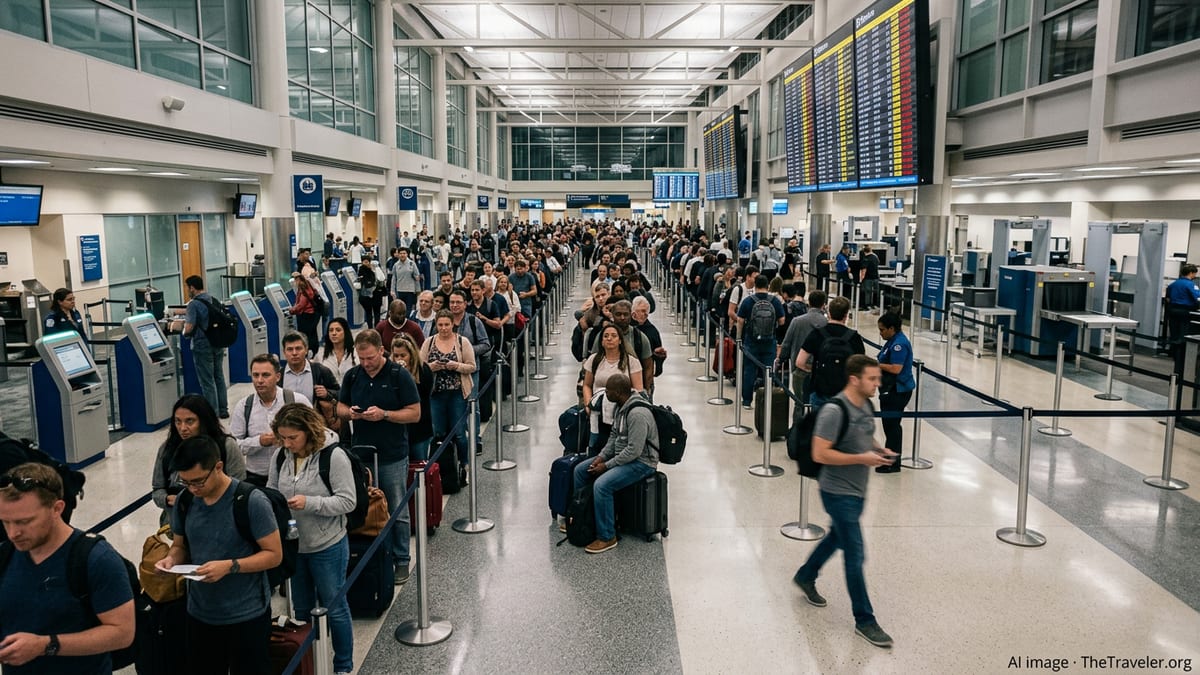
Busy skies bring delays at San Diego International
San Diego International Airport is entering the Labor Day period on the heels of a summer of packed terminals and near-record passenger volumes, mirroring national patterns in which U.S. air travel has consistently exceeded pre‑pandemic levels. Publicly available travel forecasts for this holiday show domestic demand concentrated between Thursday, September 3 and Monday, September 7, with Thursday afternoon and Friday identified as the busiest flying days.
National booking data compiled ahead of the holiday indicates that average round‑trip domestic airfares for Labor Day are running more than 20 percent higher than last year, reflecting strong demand and constrained capacity on many routes. That pressure is translating into tighter operations at smaller, high‑volume airports such as San Diego, where even minor weather and routing issues elsewhere in the country can ripple into delays and missed connections.
Recent coverage of the holiday travel rush describes airlines heading into the weekend with fuller planes and thinner schedule buffers, meaning San Diego passengers are more exposed to cascading disruptions if storms or air‑traffic flow programs develop over major hubs. Travelers passing through SAN are being advised in published guidance to build extra connection time into itineraries, monitor flight status closely, and arrive early at the airport to clear security during peak departure banks.
In addition, transportation data cited in multiple Labor Day forecasts points to Sunday, September 6, as one of the lightest national travel days, with many travelers either already at their destinations or waiting to return home on the holiday Monday. For San Diego flyers, that pattern may offer a limited window of less‑crowded departures and arrivals in an otherwise tightly packed weekend schedule.
Higher gas prices hit road‑trippers heading in and out of San Diego
Drivers in the San Diego region are confronting noticeably higher fuel costs as they set out for the three‑day weekend. National analyses of Labor Day conditions report that the average U.S. price at the pump is close to one dollar per gallon higher than it was during last year’s holiday, when the nationwide average hovered around 3.19 dollars. California prices typically exceed the national mean, so travelers starting or ending their journeys in San Diego are shouldering some of the steepest gasoline costs in the country.
Regional breakdowns of holiday travel from automobile and mobility data providers show that road trips remain the dominant choice for Labor Day getaways, despite elevated fuel prices. Surveys conducted earlier in the summer by a major motor club group found that higher gas costs were one of the most commonly cited reasons for scaling back vacation plans, yet overall travel intent remained strong. That combination is leaving many San Diego families trying to trim lodging, dining, or activity budgets to offset fuel expenses.
Transportation analytics from INRIX, widely referenced in Labor Day briefings, highlight Thursday afternoon and much of Friday as the worst times to drive on key corridors into and out of major metros. While the projections are often framed around national bottlenecks, they are broadly applicable in Southern California, where holiday traffic typically stacks up on Interstate 5, Interstate 15 and state routes connecting San Diego with coastal and desert destinations.
Publicly available guidance suggests that those who can shift their departure from Friday afternoon to early Saturday, or plan return drives for Sunday rather than Monday, may save time and some fuel by avoiding the heaviest stop‑and‑go congestion. For San Diego residents staying local, higher gas prices are also beginning to influence decisions about shorter discretionary trips, including beach visits and regional attractions.
San Diego emerges as a pricier but still popular holiday destination
While San Diego is not at the very top of Labor Day destination rankings that highlight Seattle, Orlando, Boston, Denver and New York, travel industry data shows that Southern California beach cities remain a magnet for late‑summer escapes. AAA holiday forecasts and related analyses describe Americans favoring domestic city‑and‑nature combinations for this weekend, and San Diego’s mix of coastline, baseball and nearby parks fits squarely within those trends.
Published round‑up coverage of things to do in the region this weekend underscores the breadth of options competing for travelers’ time and budgets, including a Padres home stand, festivals and outdoor concerts. Those events add to the pressure on both local streets and parking near downtown, Mission Bay and coastal neighborhoods, particularly during evening hours when departures, arrivals and event traffic overlap.
At the same time, higher labor and operating costs in the hospitality sector are filtering through to hotel rates and vacation rentals, contributing to what national observers describe as one of the more expensive Labor Day weekends in recent years. Some travelers arriving by air in San Diego are responding by shortening stays or splitting lodging across different neighborhoods to balance location and price.
Industry observers note that, despite the cost pressures, Southern California bookings for the holiday have remained resilient, echoing national commentary that many households are prioritizing travel experiences even as they adjust to broader inflation. For San Diego, that translates into a busy end to the peak tourism season, with local businesses benefiting from continued visitor spending but residents facing heavier crowds on roads, beaches and transit links.
What travelers can expect through Labor Day Monday
Across both air and road networks, the remainder of the long weekend in San Diego is expected to follow familiar but intensified patterns. Thursday evening and Friday departure waves have already set the tone at San Diego International, and national forecasts anticipate another busy period on Labor Day Monday as travelers head home. That return rush typically coincides with crowded security checkpoints in the morning and early afternoon, as well as fuller airport parking facilities.
Transportation planners and travel analysts emphasize that Sunday is often the least congested day for both driving and flying during Labor Day weekend. That trend is shaping published advice that encourages flexible travelers to target Sunday flights or drives where possible, leaving Friday and Monday to those constrained by work or school schedules. In the San Diego region, this could mean a brief easing of freeway traffic between local beaches, coastal communities and inland suburbs before volumes climb again on Monday.
For drivers, the combination of heavier traffic and higher fuel prices is increasing the value of basic preparation such as checking tire pressure, mapping out alternate routes around known chokepoints, and avoiding the costliest fill‑up times at busy highway stations. Analysts also point out that maintaining steady speeds and minimizing idle time in gridlock can offer incremental fuel savings that add up over long weekend drives.
As San Diego closes out the summer travel season, the picture emerging from national and regional data is one of robust demand colliding with tighter capacity and higher costs. Travelers moving through the region over Labor Day are likely to feel that tension in the form of slower journeys and more expensive tickets and tanks, even as the draw of a final holiday by the Pacific keeps planes and highways full.
AOL: Flight delays, higher gas prices arrive in San Diego for Labor Day weekend
AAA Labor Day travelers face higher costs and heavier traffic