


More news on this day
Night flights across parts of Russia faced a second consecutive evening of disruption as Moscow’s main airports and several regional hubs curtailed or halted operations amid mounting concern over Ukrainian long-range drone activity and warnings that Russian airspace may no longer be safe for civil aviation.
Get the latest news straight to your inbox!
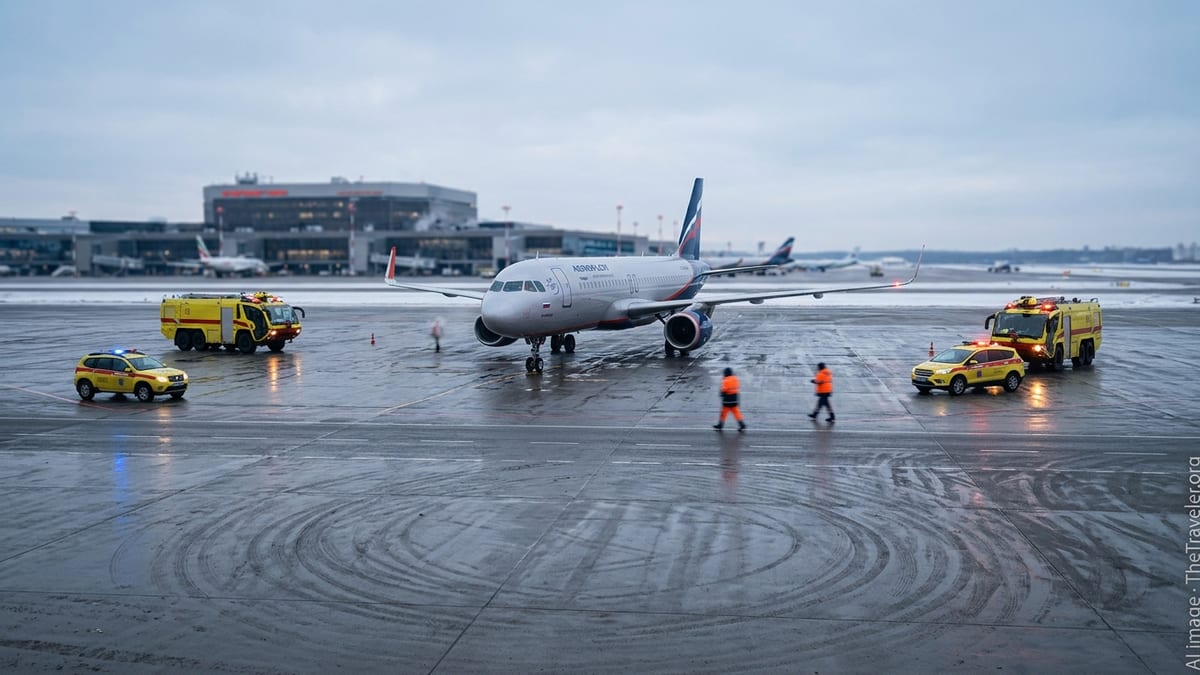
Second Night of Disruptions at Moscow Hubs
Publicly available flight monitoring data and regional media reports indicate that Moscow’s Vnukovo and Sheremetyevo airports again restricted arrivals and departures overnight on September 2 to 3, following a first wave of suspensions the previous night. Operations were limited for several hours, leading to widespread delays and a series of cancellations on both domestic and international routes.
Independent coverage citing flight-tracking services and Russian aviation notices reports that traffic at the two airports was periodically halted, with aircraft held on the ground or diverted to alternate airfields. The pattern marked the second night in a row that Moscow’s key aviation gateways scaled back activity, highlighting growing operational uncertainty at some of the country’s busiest hubs.
Analysts tracking open-source aviation data note that these disruptions overlapped with air raid alerts and reports of drone activity in regions surrounding the capital. While Russian officials have described many of the unmanned aircraft as intercepted or destroyed, the repeated suspension of airport operations underscores how air defense measures and perceived threats are directly affecting civil aviation flows.
Drone Campaign Widens Impact Across Russian Regions
Reports from Russian and Ukrainian media outlets describe a broader pattern of drone alerts across western and southern Russia in recent nights, with air defense activity reported in multiple regions far beyond Moscow. Monitoring shared by Ukrainian and international outlets notes attempted strikes or interceptions across areas including Belgorod, Bryansk, Kaluga, Tver, Smolensk and others, as well as in occupied Crimea and over parts of the Black Sea.
According to published coverage, at least one regional facility outside the capital, such as Saratov’s Gagarin Airport, has also introduced temporary restrictions, pointing to a widening geographic footprint of aviation disruption. These measures have translated into rolling schedule changes, longer flight times and uncertainty for passengers traveling between provincial cities and Moscow.
Open-source assessments suggest that Ukraine’s long-range drone program has expanded over the summer, with thousands of unmanned aircraft reportedly launched toward Russian territory. While many have been intercepted, analysts say even partial success in reaching energy infrastructure, logistics hubs and industrial targets can prompt extensive protective measures, including temporary closures of airports along likely flight paths.
Kyiv’s “Closed Skies” Warning Raises Aviation Risks
The latest airport shutdowns followed a high-profile warning from Ukrainian President Volodymyr Zelensky on September 1, in which he stated that Russian airspace would become effectively closed as Ukraine steps up its long-range drone operations. According to multiple international news reports, Zelensky’s message was directed at airlines, insurers and foreign governments, signaling that Ukraine intends to make routine civil flights over Russia increasingly risky.
Subsequent coverage by outlets tracking the aviation sector indicates that some foreign carriers have begun suspending or reevaluating services to Russian destinations in response to the warning and the recent pattern of nighttime restrictions. International organizations have previously advised airlines to conduct their own risk assessments for flights over or into Russia, and the new wave of drone activity appears to be prompting another round of scrutiny.
Russia’s aviation regulator has maintained publicly that its air transport system continues to function, even as it has acknowledged temporary restrictions at affected airports. However, independent war and aviation monitors argue that the combination of air defense operations, evolving drone tactics and heightened insurance concerns is gradually tightening the constraints around Russia’s remaining international air links.
What Travelers Are Experiencing on the Ground
For passengers, the immediate effects of the second night of restrictions have been familiar but disruptive: delayed departures, unscheduled diversions and extended waits in crowded terminals. Images and accounts shared via media outlets and social platforms show travelers sleeping on terminal floors or queuing at service desks in Moscow and regional airports as staff attempt to reroute flights once airspace restrictions are lifted.
Travel industry observers note that Russia’s domestic carriers have been operating under sanctions pressure and limited fleet renewal options since 2022, leaving less flexibility to absorb rolling disruptions. When drones are detected or air defense systems are activated, night operations at some airports are paused, compressing more flights into shorter operating windows and straining already tight schedules.
International passengers transiting via Russia or traveling to nearby destinations also face knock-on effects, particularly where connecting flights rely on nighttime arrival and departure banks. Even when airports reopen within hours, aircraft and crew can end up out of position, triggering a chain of delays that may extend into daytime services.
Broader Implications for Regional Air Connectivity
Aviation and security analysts say the second consecutive night of shutdowns at major Russian airports may signal a more prolonged period of volatility for the country’s air network. If long-range drone attacks and air defense responses continue at current intensity, airports could be forced into a routine of sudden curfews and rolling closures that erode schedule reliability.
International coverage has highlighted that many European and North American carriers already avoid Russian airspace because of sanctions and security concerns, rerouting long-haul flights around the country. The latest disruptions concentrate remaining flight risks on Russian carriers and operators from countries that still permit service to Russian destinations, potentially increasing insurance costs and complicating route planning.
For travelers considering itineraries that touch Russian airports or overfly Russian territory, analysts recommend close monitoring of airline advisories and booking conditions, especially for overnight routes. Some carriers operating in the region are revising schedules, adding buffer time, or shifting flights to daylight hours in an effort to reduce exposure to nighttime drone activity and related airspace restrictions.
As the airspace over Russia becomes a more contested environment, the second straight night of airports going dark illustrates how modern drone warfare is reshaping not only the battlefield but also civilian mobility across a significant part of Eurasia. The trajectory of Ukraine’s drone campaign and Russia’s defensive responses is likely to determine how far these disruptions extend into the autumn travel season.
https://kyivindependent.com/moscow-airports-cancel-flights-after-zelenskys-closed-skies-warning/