


More news on this day
Persistent flight delays across the United States came under scrutiny on the May 20, 2026 edition of The Ross Kaminsky Show, where transportation advocate Danny Katz of the Colorado Public Interest Research Group (CoPIRG) discussed the pressures on the aviation system and what they mean for travelers heading into the busy summer season.
Get the latest news straight to your inbox!
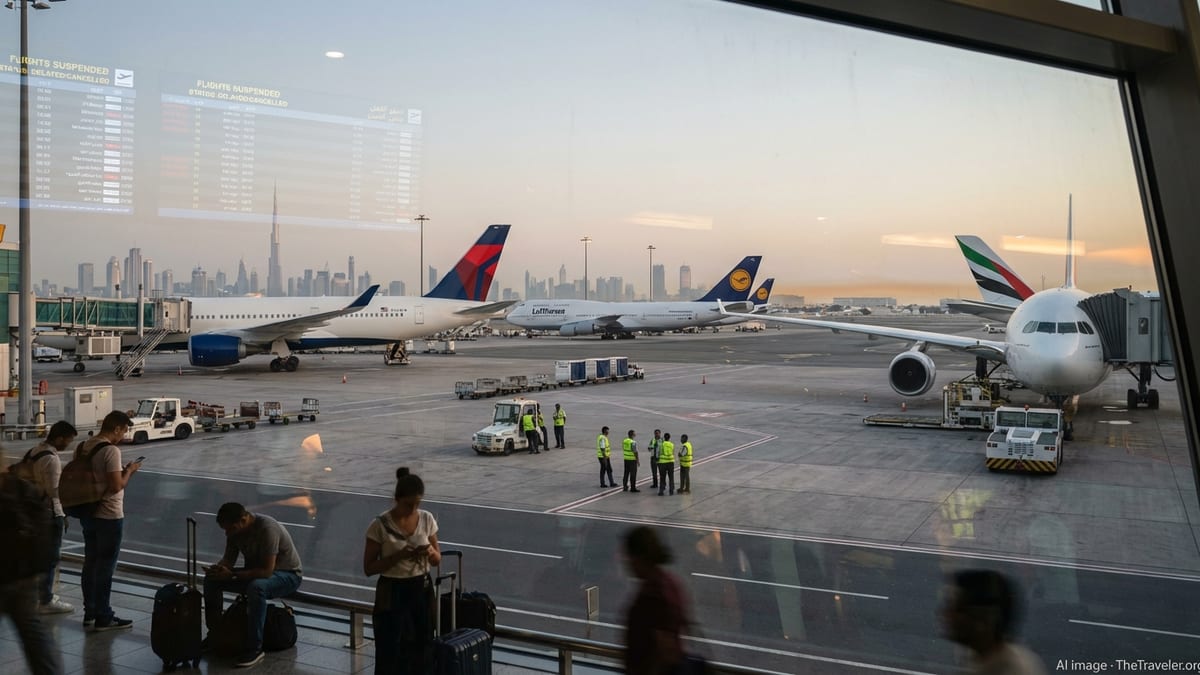
Radio spotlight on a mounting air-travel headache
The Ross Kaminsky Show, a weekday news and talk program carried on Denver’s 630 KHOW and iHeartRadio platforms, has increasingly turned to consumer topics as travelers contend with crowded airports and unpredictable schedules. The May 20 segment featuring Danny Katz, director of CoPIRG, centered on how flight delays have become a routine part of flying rather than a rare inconvenience.
Publicly available schedules and performance data show that many major U.S. hubs have struggled with on time arrivals and departures since the sharp rebound in air travel after the pandemic-era slump. Cancellations have eased compared with the worst periods of 2022, but late departures remain common enough that frequent flyers now build in extra buffer time for connections and business meetings.
Katz’s appearance on the Colorado-based program placed these trends in a regional context. Colorado’s primary gateway, Denver International Airport, has grown into one of the world’s busiest hubs, with aggressive expansion by low cost and full service carriers. That growth has brought more options and lower base fares for travelers, but also more strain on runways, gates, and air traffic flows, all of which can cascade into longer waits for passengers when small disruptions occur.
The interview was part of a broader pattern on the show, which has recently devoted segments to topics such as gas prices, local infrastructure, and consumer protection. By spotlighting aviation delays, the program tapped into a frustration that affects vacationers, business travelers, and families alike as the summer travel period begins.
What is driving flight delays right now
Publicly available industry assessments point to a convergence of factors behind persistent delays: staffing challenges, tight schedules, weather disruptions, and aging infrastructure. Airlines trimmed their workforces during the early pandemic period and then raced to rehire pilots, flight attendants, mechanics, and ground crews when demand roared back. Training pipelines, however, have not always kept pace with staffing needs, leaving some carriers operating with limited slack.
Air traffic control staffing has also been under pressure. Federal reports and aviation analyses describe facilities where controllers are working significant overtime to keep up with traffic. When key facilities are short staffed, flow restrictions can slow departures and arrivals across large regions of the country, even on days when skies appear clear to passengers looking out terminal windows.
Weather remains a major, if familiar, source of disruption. Thunderstorms across the central United States, coastal fog, and seasonal hurricanes all complicate airline operations. Because carriers typically schedule aircraft tightly to maximize utilization, a delay in one part of the network can ripple across dozens of later flights, affecting travelers in cities far from the original problem.
According to consumer and aviation advocacy groups, airport infrastructure has added another layer of complexity. Runway and terminal construction projects intended to accommodate long term growth can temporarily constrain capacity. At large hubs such as Denver, expansions that promise smoother operations in the future can mean gate shuffles, longer taxi times, and occasional bottlenecks in the near term, especially during peak travel hours.
How delays are reshaping the passenger experience
Reports from travelers and consumer advocates indicate that recurring delays are altering how people plan trips. Many travelers now favor longer layovers to reduce the risk of misconnecting, even if that means spending more time in airports. Travel advisors frequently recommend flying earlier in the day, when schedules are less likely to have absorbed multiple rounds of disruption.
For business travelers, flight reliability has become as important as ticket price. Corporate travel managers, watching on time performance metrics published by airlines and government agencies, increasingly weigh departure and arrival track records when selecting preferred carriers and routes. Missed meetings, additional hotel nights, and rebooking costs can quickly erase the savings from a slightly cheaper but less reliable itinerary.
The stress associated with delays is particularly acute for families and occasional flyers. Parents traveling with small children or older relatives often have fewer options to pivot when flights are significantly late. Consumer groups such as CoPIRG monitor complaints about missed events, lost luggage, and overnight strandings, all of which can turn long anticipated vacations into costly ordeals.
Some passengers are responding by building more flexibility into their plans, such as arriving a day early for cruises, weddings, or international connections. Others are rediscovering regional alternatives like driving or taking intercity buses and trains on shorter routes, weighing the predictability of ground travel against the speed that flying offers when everything operates on time.
Where consumer protections and airline policies stand
The discussion on Kaminsky’s program coincides with heightened public attention to what rights travelers have when their flights are significantly delayed or canceled. According to information shared by consumer advocates and federal transportation resources, the rules vary depending on whether the disruption stems from weather, air traffic control, or airline controllable issues such as crew scheduling and maintenance.
In many cases, airlines publish their own customer service commitments, outlining when passengers may be entitled to meal vouchers, hotel accommodations, or rebooking at no additional charge. These policies are not uniform across carriers, which can lead to confusion at crowded service desks when multiple flights are disrupted at once. Advocacy organizations encourage travelers to review airline policies before departure and to document any expenses incurred during extended delays.
Public debate has grown around whether stronger baseline protections are needed to align U.S. practices more closely with those in some other regions. Aviation and consumer policy watchers note that discussions in Washington have included proposals related to automatic compensation for certain airline caused delays and clearer disclosure of passenger rights at the point of sale.
CoPIRG and similar groups often urge travelers to file complaints with regulators when they believe commitments have not been honored. Aggregated data from those complaints can shape enforcement priorities and highlight patterns in airline behavior, which in turn may influence future rulemaking or voluntary policy changes by carriers aiming to avoid reputational damage.
Preparing for a busy summer travel season
As Memorial Day approaches, airlines are projecting another record setting summer, with seat capacity on many routes exceeding pre pandemic levels. Industry forecasts suggest that leisure demand remains strong despite higher airfares and broader economic uncertainty. That combination of heavy volumes and existing operational constraints heightens the risk that even routine summer storms could cause outsized disruption.
Travel experts who monitor performance trends recommend that passengers pay close attention to early morning and late evening flights, which tend to be either more reliable or more vulnerable depending on the route and airport. Early departures are often less affected by accumulated delays, while late evening flights may be at greater risk of cancellation if disruptions build through the day.
Advocacy groups emphasize practical steps: keeping airline apps updated, enabling notifications, and carrying essentials such as medications and chargers in carry on bags in case of unexpected overnight stays. Travelers are also encouraged to consider travel insurance or flexible booking options, particularly for trips involving tight connections or time sensitive events.
The May 20 conversation between Ross Kaminsky and Danny Katz reflects a growing recognition that flight delays are not just an inconvenience but a structural challenge for the U.S. transportation system. For now, observers indicate that informed planning and realistic expectations remain the most reliable tools travelers have as they navigate crowded airports and uncertain departure boards this summer.