


More news on this day
Air travel across Norway experienced fresh disruption as operational issues at Oslo Gardermoen led to nine flight cancellations and more than 130 delays, affecting services operated by Scandinavian Airlines, Norwegian Air Sweden and several other carriers at the country’s busiest airport.
Get the latest news straight to your inbox!
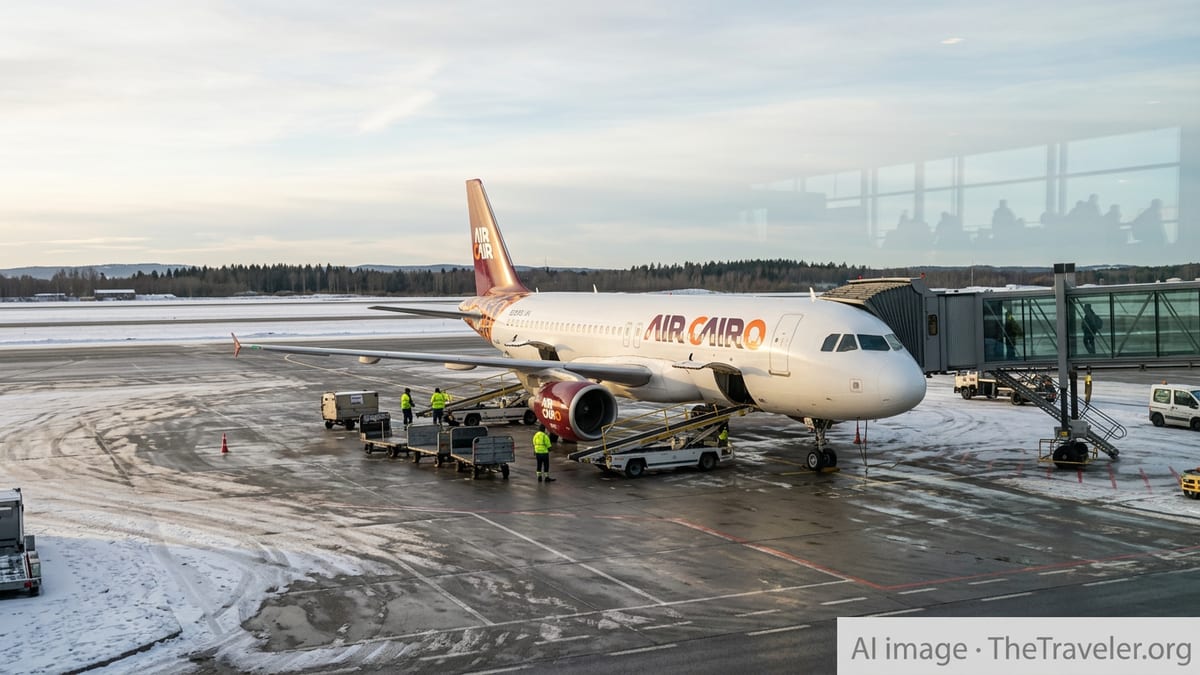
Operational Snags at Norway’s Busiest Airport
The latest disruption developed at Oslo Gardermoen during a peak summer travel period, when traffic through the airport is already running close to capacity. Publicly available departure and arrival boards showed nine flights cancelled and around 130 delayed over the course of the day, interrupting both domestic and international schedules.
The pattern follows a broader trend of operational strain at the hub. Previous disruption in early June also produced a large cluster of late departures and cancellations, underscoring how quickly routine scheduling pressure can cascade when aircraft and crews are tightly rostered. As traffic volumes rise into July, even minor staffing, technical or turnaround challenges can rapidly push flights behind schedule.
Industry statistics for 2026 indicate that Oslo Gardermoen handles several hundred movements a day, with early morning and late afternoon among the busiest windows. When irregular operations develop during these periods, the knock-on effects are often felt across Norway’s wider airport network and on key European routes.
Scandinavian Airlines and Norwegian Air Sweden Among Hardest Hit
Scandinavian Airlines and Norwegian-branded services, including flights operated by Norwegian Air Sweden on behalf of Norwegian, were among the carriers most visibly affected. Departure boards showed delays on popular leisure routes to southern Europe as well as on high-frequency domestic links connecting Oslo with cities such as Bergen, Trondheim and Stavanger.
Scandinavian Airlines, which uses Oslo as one of its primary Scandinavian hubs, has already been operating a dense summer schedule to meet demand. The carrier has previously adjusted frequencies on select routes in response to cost pressures and operational constraints, leaving less spare capacity to absorb disruption. When aircraft rotations out of Oslo slip, later sectors in the day can inherit delays.
Norwegian and its Swedish operating unit have likewise been running intensive programs from Oslo to Mediterranean resorts and northern Norway. The combination of full flights and closely timed turnarounds has meant that ground-handling bottlenecks, late-arriving aircraft or minor technical checks can quickly propagate across multiple departures.
Knock-on Effects Across the Norwegian Network
The disruption at Oslo has had repercussions across Norway’s broader aviation network, including regional gateways such as Bergen, Trondheim and Stavanger. When flights into these cities depart late from the capital or are cancelled outright, passengers may miss onward connections or face curtailed options for same-day rebooking.
Norway’s domestic network is highly dependent on tight connections through Oslo, particularly for travelers linking smaller communities with major European hubs. Delayed aircraft returning to Oslo from regional airports can, in turn, reduce the number of spare frames available for later departures, compounding pressure on scheduling resilience.
Some long-haul services that rely on feed from Norwegian domestic and Scandinavian regional routes may also experience softer load factors or connection stress on days of heavy disruption. While many of these flights still operate, passengers arriving from delayed feeders can face tight transfer windows, increasing the risk of missed connections and overnight stays.
Summer Peak Magnifies Passenger Impact
The timing of the latest round of cancellations and delays is particularly challenging for travelers. July is one of the busiest months for Norwegian airports, as leisure travelers head out on holiday and inbound tourism to fjord and Arctic destinations reaches its seasonal peak. Reports indicate that aircraft on many Oslo routes are operating close to full, leaving fewer open seats for same-day reaccommodation.
With nine cancellations and more than 130 delayed services recorded in a single operating day, thousands of passengers have faced revised departure times, missed connections or the need to alter ground transport and accommodation plans. For those traveling on separate tickets or without through-checked baggage, even modest delays can create significant strain on carefully sequenced itineraries.
Published coverage and traveler accounts from recent weeks suggest that passengers are increasingly building in buffer time at Oslo when connecting between domestic and international flights. Some are opting for longer layovers or earlier departures to reduce the risk that a single late sector will derail onward travel, particularly on long-haul or cruise-connected journeys.
What Travelers Can Do on Disrupted Days
Publicly available guidance from airlines and consumer organizations emphasizes several practical steps for managing days of heavy disruption. Passengers are encouraged to monitor flight status closely through airline apps and airport information displays, as schedules can change multiple times in the hours leading up to departure.
On days when operational disruptions arise at Oslo, rebooking options can be more limited later in the day, especially on domestic corridors and popular leisure routes. Travelers with time-sensitive connections are widely advised to consider earlier departures where possible and to allow generous margins between separate tickets, particularly when crossing the external border of the Schengen Area.
For those whose flights are cancelled or severely delayed, European passenger-rights rules may provide access to refunds, rerouting and, in some circumstances, compensation, depending on the cause of the disruption and the length of delay. Travelers are generally directed to consult their carrier’s official channels for the most up-to-date information on entitlements and required documentation when seeking reimbursement or support.