


More news on this day
Air travelers across the United States are facing another difficult day as more than 180 flights are canceled and over 1,600 delayed, with disruptions concentrated at major hubs including Chicago and Miami, according to multiple tracking services and published airport data.
Get the latest news straight to your inbox!
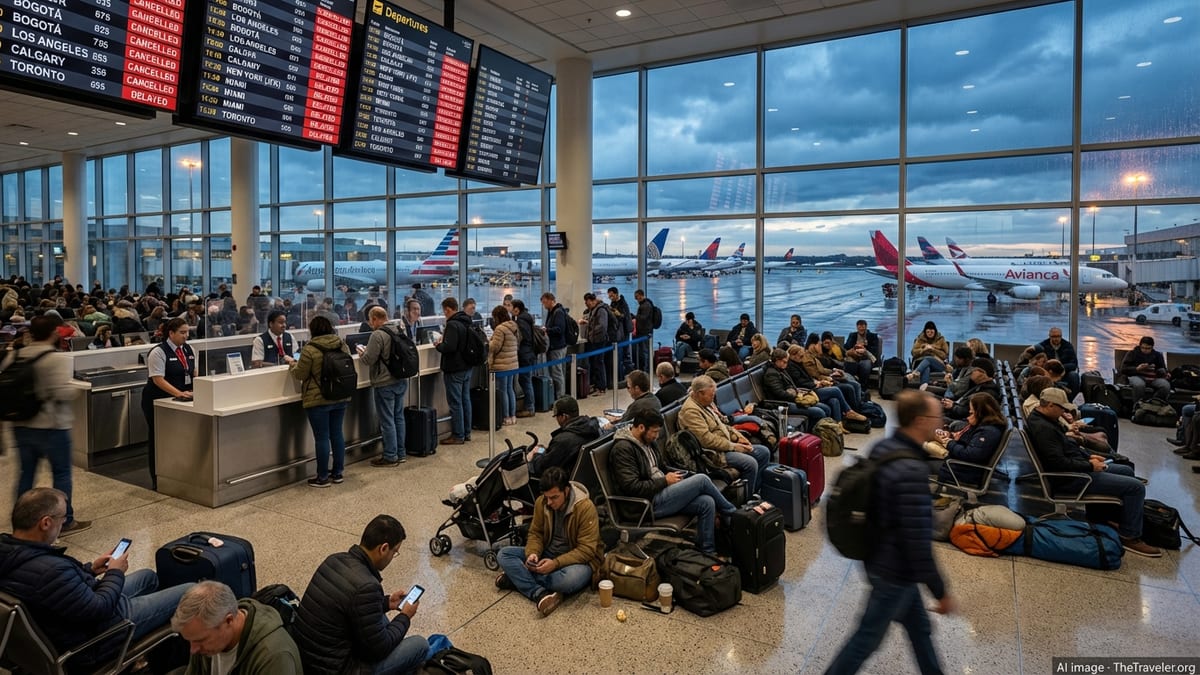
Nationwide Disruptions Center on Key Hubs
Live tracking data from multiple aviation analytics platforms on September 8, 2026, indicates that airlines operating in U.S. airspace have canceled at least 181 departures and arrivals while more than 1,600 flights are experiencing delays. The numbers are still evolving through the day, but the pattern shows pressure building at several large connecting hubs rather than being confined to a single airport.
Chicago and Miami, two of the country’s busiest junctions for domestic and international traffic, are among the airports seeing disproportionate disruption. Flight boards at both O’Hare International Airport and Miami International Airport show a mix of outright cancellations and rolling delays, complicating connections for passengers on multi‑segment itineraries.
Publicly available flight status pages and third party trackers show that routes between Chicago, Miami and other major hubs are particularly exposed. Services linking Chicago with coastal gateways such as San Francisco and Miami are reporting cascading delays, and in some cases cancellations, as aircraft and crews fall out of position.
The current wave of disruption follows a summer of already elevated delay levels across the U.S. network, where tight schedules and full flights have left airlines with limited flexibility when weather or operational issues emerge.
Chicago: Delays Mount at O’Hare and Midway
Chicago’s dual-airport system is again under pressure. Data from the Chicago Department of Aviation for the early hours of September 8 shows dozens of delayed flights at O’Hare and Midway, with the totals building steadily through the morning. One city dashboard recorded more than two dozen delayed arrivals and departures in the overnight and early morning periods alone, a signal that knock-on effects are likely as the day’s schedule progresses.
Separate live departure boards for O’Hare list large banks of flights leaving behind schedule, including long haul and transcontinental services as well as shorter domestic hops. American Airlines Flight AA1649, for example, scheduled from Chicago O’Hare to San Francisco, is listed by several trackers as operating significantly late, pushing back its planned evening departure and compressing connection times for onward passengers.
Chicago’s role as a central U.S. hub magnifies the impact of each delayed departure. Many itineraries route through O’Hare to reach smaller cities in the Midwest, Mountain West and Great Plains, meaning an issue on a single busy corridor can ripple outward through regional networks. Travelers connecting through Chicago are being advised by airlines and travel operators to monitor their bookings closely and allow extra time to navigate the airport.
Midway, a key base for low cost and leisure carriers, is also seeing pockets of disruption. Schedules there show altered departure times and minor cancellations affecting flights to Florida and other popular leisure destinations, with some services from Chicago to Miami and other Florida airports operating late or shifting to alternate times.
Miami Sees Mix of Cancellations and Prolonged Delays
Miami International Airport, an important gateway to Latin America and the Caribbean as well as a strong domestic hub, is reporting its own wave of schedule changes. Airport and third party dashboards tracking recent activity at Miami show a combination of delays on outbound services and cancellations on select routes, including flights linking Miami and Chicago.
On Monday, September 7 and into Tuesday, September 8, multiple services into and out of Miami were listed as canceled or heavily delayed on consumer flight tracking platforms. These include American Airlines and Southwest-operated flights on core domestic routes. One example is American Airlines flight AA3056 between Chicago O’Hare and Miami, which Trip.com’s real time status page lists as canceled for September 8, advising passengers to seek the latest information directly from the airline.
Individual accounts from travelers posting on public forums also describe missed connections and overnight rebookings tied to Miami operations over the past 24 to 48 hours. While such reports are anecdotal, they align with the elevated cancellation and delay figures seen in formal tracking data and illustrate how even moderate disruption at a major hub can quickly translate to lengthy travel days for passengers.
Miami’s heavy reliance on tightly timed banks of departures to the Caribbean and Central America means that delays of an hour or more on key feeder flights can cause passengers to miss once‑daily services, forcing some travelers to wait until the next day for onward connections.
Impact on Passengers Across the United States
With 181 cancellations and more than 1,600 delays spread across the national network, the effects are being felt well beyond Chicago and Miami. Travelers at airports from the Northeast to the West Coast are encountering longer lines at customer service counters, rebooked itineraries and, in some cases, overnight stays as they wait for open seats on alternative flights.
Disruption on busy corridors such as Chicago to San Francisco, Chicago to Miami and Miami to major East Coast cities is particularly consequential because many of these flights function as key connection points. When one leg is canceled or significantly delayed, passengers often lose subsequent segments, triggering a chain reaction of rebooking and standby lists across multiple airlines.
Consumer rights information platforms note that in some circumstances passengers on significantly delayed or canceled flights may be eligible for compensation or reimbursement of incidental expenses, depending on the airline’s policies and, on certain international itineraries, applicable regulations. Many advisory sites encourage travelers to retain boarding passes, receipts and screenshots of delay notifications to support any later claims.
For those still planning to fly today, publicly available guidance from airports and airlines stresses the importance of checking flight status frequently, using carrier apps where possible, and arriving at the airport earlier than usual if a trip includes a tight connection through one of the affected hubs.
Outlook for the Remainder of the Day
Forecasts from flight tracking services suggest that the disruption may ease somewhat later in the day if weather conditions remain stable and airlines are able to reposition aircraft and crews. However, given the volume of delays already logged this morning, residual effects are likely to carry into the evening schedules.
Chicago O’Hare’s departure boards continue to show banks of heavily booked flights through the afternoon and night, leaving limited room to absorb additional operational setbacks. Any new weather challenges or equipment issues could quickly add to the cancellation and delay tallies, particularly on transcontinental and long haul routes where aircraft utilization is already high.
In Miami, operations teams are working within a similarly constrained environment. Flight tracking pages show that several departures later in the day have already adjusted departure or arrival times. Travelers holding tickets for late‑evening services, especially those connecting onward to Latin America or the Caribbean, may face tighter connection windows and are being urged by travel advisers to keep backup plans in mind.
Across the wider U.S. network, the coming days will reveal how quickly airlines can restore schedule reliability. With demand for seats remaining strong after the summer peak and aircraft operating at high load factors, there is little slack in the system, making it more challenging to recover smoothly from a day in which hundreds of flights are disrupted.
Chicago Department of Aviation – Flight Cancellations
Chicago Department of Aviation – Flight Delays
Trip.com – American Airlines AA3056 Chicago to Miami Status
FlightStats – Chicago O’Hare Departures
Voos.org – Miami International Latest Flight Delays and Cancellations