


More news on this day
Hundreds of Amtrak passengers faced hours-long delays and unexpected reversals of their journeys after a fast-moving wildfire in northeast Florida forced trains to halt or turn back, effectively severing rail links into much of the state at the height of spring travel.
Get the latest news straight to your inbox!
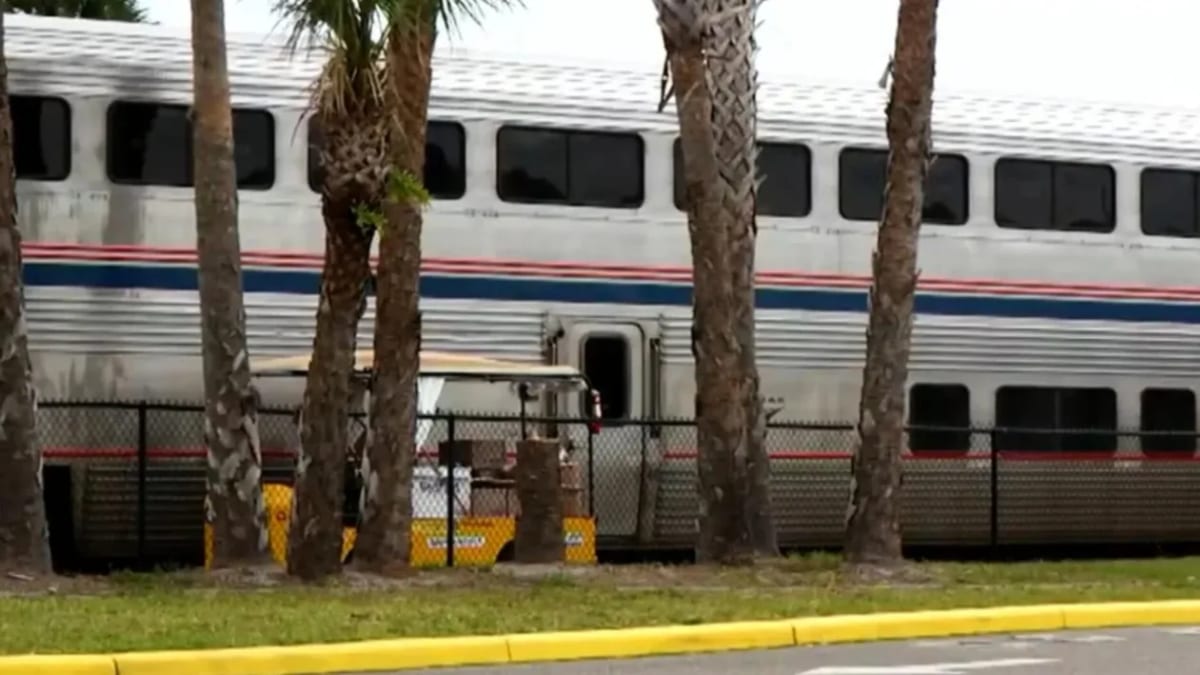
Wildfire Along Crews Road Halts North–South Rail Traffic
Publicly available information from state forestry officials and regional media describes a rapidly spreading blaze, known as the Crews Road Fire, burning along the Clay and Putnam County line south of Jacksonville. The fire, estimated at roughly 2,000 to 2,700 acres, sent thick smoke over rail lines used by Amtrak’s Silver Service and other long-distance trains, prompting a shutdown of track segments and mandatory detours.
Reports indicate that local fire crews ordered rail traffic to stop as flames approached the right of way, leading dispatchers to hold trains in place for extended periods. Passenger accounts described trains standing still for many hours near communities such as Palatka, Green Cove Springs and DeLand while responders focused on containment efforts and nearby highway closures.
As the wildfire grew, the suspension of rail movements quickly rippled across the network, affecting northbound and southbound services linking Florida with major cities along the Eastern Seaboard and the Midwest. The disruption coincided with busy late April travel, amplifying the impact on both overnight and daytime passengers.
Trains Forced To Turn Back, Terminate Early Or Sit For Hours
Coverage from Florida television outlets, national wire services and passenger posts on social media shows that several Amtrak trains were either forced to reverse course or terminate short of their scheduled endpoints. One Silver Service train heading north toward New York was reported to have been stopped for many hours before being ordered to turn around and return to South Florida, leaving travelers back where they started after more than a day on board.
Other long-distance services, including the Silver Meteor between Miami and New York and the Floridian operating between Miami and Chicago, were truncated to start or end in cities such as Jacksonville or Savannah instead of their usual Florida terminals. In some cases, one of the pair of daily departures on a given route was canceled outright, reducing options for passengers already contending with lengthy delays.
Parallel reporting shows that Amtrak’s Auto Train service, which carries passengers and their vehicles between Sanford, near Orlando, and Lorton, Virginia, was also canceled on affected days because the wildfire blocked its only direct rail corridor. Passengers expecting to drive off the train in central Florida instead found themselves back in Virginia or held at terminals for hours while vehicles were unloaded and plans revised.
Stranded Passengers Describe Prolonged Disruptions
Accounts compiled from regional news coverage and traveler reports describe passengers stuck on immobilized trains for periods stretching from many hours to more than a full day. Some riders reported being on board for 24 to nearly 40 hours as trains first waited on sidings and then reversed direction or were re-routed to alternative terminals.
One widely shared account described a northbound train halted north of DeLand, with riders initially expecting a short delay. As the wildfire intensified and track closures continued, the delay extended into the night, and the train ultimately returned to its origin instead of continuing up the East Coast. Similar stories circulated from trains paused near Palatka and Green Cove Springs, where smoke and active firefighting kept rail traffic at a standstill.
Passengers also reported uncertainty about onward travel once their trains were turned around or terminated early. With tracks closed and schedules in flux, some travelers described confusion over whether they would be rebooked on later trains, transferred to buses, or left to arrange their own alternate transportation and lodging at intermediate cities.
Emergency Bus Bridges And Limited Alternatives
According to published coverage referencing Amtrak service alerts, the railroad instituted temporary bus connections on some corridors to move displaced passengers around the wildfire zone. Buses were arranged between Jacksonville and South Florida for certain Silver Service and Floridian departures, allowing a portion of travelers to continue their journeys despite the blocked tracks.
These substitute services, however, operated on a limited basis and could not fully absorb the number of people affected by multiple cancellations and train reversals. In some cases, passengers arriving in Jacksonville or Savannah after lengthy rail delays encountered crowded bus connections or faced additional waiting as crews and vehicles were assembled.
The sudden shift to road transport coincided with wildfire-related highway closures and heavy regional traffic, further complicating travel times. For many rail passengers using Amtrak as an alternative to driving or flying, the combination of service suspensions, partial bus bridges and constrained capacity translated into missed vacations, disrupted work trips and extended time in transit.
Ongoing Risks As Fire Season Intensifies
Fire managers in Florida have warned in recent public statements that warm, dry and breezy conditions across parts of the state are elevating wildfire risk as the spring season unfolds. The Crews Road Fire and related blazes in northeast Florida highlight how quickly conditions can deteriorate along critical transportation corridors, affecting not only roads and nearby communities but also major passenger rail routes.
Travel and transportation analyses note that long-distance rail lines in the region run through forested and rural terrain where access for firefighting resources can be challenging. When flames and smoke reach the corridor, rail operations may need to be suspended for extended periods to protect passengers, crews and responding agencies, leaving trains with limited options for rerouting.
For travelers planning trips into or out of Florida in the coming weeks, the current disruption illustrates the importance of monitoring real-time service alerts and build-in flexibility when possible. As crews continue working to contain the wildfire and reopen tracks, rail passengers may continue to face schedule changes, slower journeys and the possibility that trains could once again be forced to stop or turn back with little warning.