


More news on this day
Thousands of air passengers across Europe faced disruption as more than 2,300 flights were delayed and at least 178 services cancelled in a fresh wave of aviation turmoil affecting Germany, the United Kingdom, the Netherlands and other countries.
Get the latest news straight to your inbox!
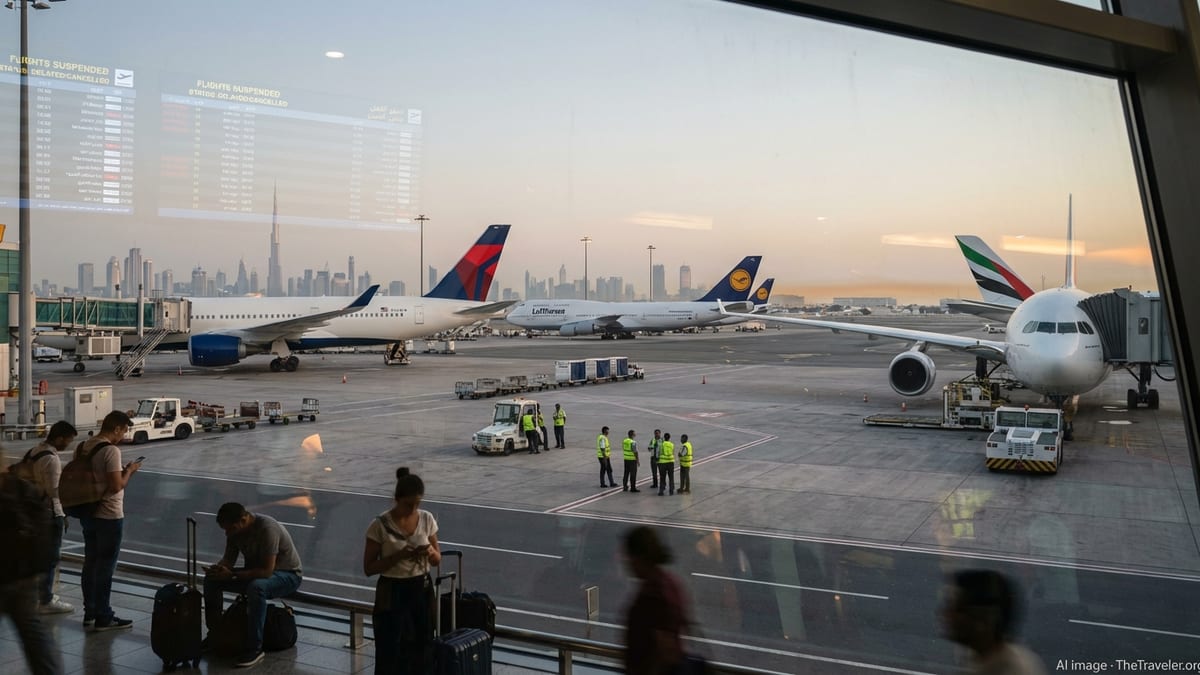
Network Disruptions Ripple Across Key European Hubs
Tracking data compiled over the past 24 hours points to extensive disruption across the European flight network, with delays and cancellations concentrated at major hubs in France, Germany, the Netherlands and the United Kingdom. Airports serving Paris, Amsterdam, London and Frankfurt reported rolling knock-on effects as tightly scheduled aircraft and crews struggled to recover from earlier issues elsewhere in the system.
According to publicly available aviation data, around 2,352 flights were recorded as delayed, alongside 178 outright cancellations, leaving passengers facing missed connections, overnight stays and scrambles for alternative routes. The figures reflect conditions across multiple carriers and hubs rather than a single outage at one airport, indicating broad operational strain at the start of the high summer travel period.
In France, services at Paris Charles de Gaulle and Orly were among those affected, with congestion and schedule changes spreading through intra-European routes. At Amsterdam Schiphol, delays on departures toward southern Europe and other Northern European capitals compounded an already busy schedule, with knock-on effects for arriving long-haul services needing gates and ground handling.
In the United Kingdom, London airports experienced extended turnaround times on flights to and from continental Europe. Passengers arriving from disrupted hubs reported extensive queues at transfer desks as airlines sought to rebook travelers onto limited remaining seats, while some domestic legs were delayed as aircraft repositioning took priority.
Lufthansa, Wizz Air and easyJet Among Hardest Hit Carriers
The disruption has struck both legacy and low-cost airlines, with German flag carrier Lufthansa, Hungarian-based Wizz Air and UK-listed easyJet among the operators most visible in delay and cancellation statistics. Their extensive intra-European networks and reliance on congested hubs meant schedule problems cascaded quickly across dozens of routes.
Lufthansa, which has already adjusted parts of its European program this summer, saw further pressure on short-haul operations. Delays on key routes linking Germany to France, the Netherlands and the UK led to missed onward connections, particularly for passengers transiting through Frankfurt and Munich. Some flights serving secondary German cities were cancelled as the airline focused on maintaining core trunk routes.
Wizz Air, operating a dense network of point-to-point routes connecting Central and Eastern Europe with Western European airports, also registered clusters of delays. Published coverage in recent days has already highlighted the carrier’s exposure to operational bottlenecks, and the latest wave of disruption left some travelers stuck overnight as limited spare capacity made same-day rebooking difficult.
EasyJet services at major bases such as Amsterdam, Paris, Berlin and London Gatwick were similarly caught up in the turmoil. A build-up of earlier delays meant aircraft and crew were out of position, forcing the airline to trim a portion of its flying program and extend turnaround times for remaining departures. Passengers reported long queues at customer service counters as re-routing options narrowed into the evening.
Combination of Strikes, Tight Capacity and Border Checks
The latest disruption does not stem from a single cause, but from a combination of structural and short-term pressures that have been building across Europe’s aviation system. Recent industrial actions in Germany involving Lufthansa group staff, along with localized walkouts in air traffic control and ground handling at other airports, have left schedules vulnerable to even minor additional shocks.
Operational resources also remain tight. Airlines trimmed capacity and shifted aircraft over the past year in response to softer demand on some routes and fuel-related cost pressures. This leaves fewer spare aircraft and crews to absorb unplanned events such as weather diversions, technical problems or staffing gaps at partner service providers, so delays that might once have been contained at a single airport now spread quickly across networks.
New and more comprehensive border procedures are another factor. Expanded checks for passengers traveling between the UK and the European Union have been associated with significantly longer queues at certain airports. Publicly available guidance from travel and passenger-rights organizations notes that hold-ups at passport control can contribute to missed departures, forcing airlines to manage growing numbers of stranded transfer passengers even when the flight operations themselves remain technically within schedule.
Industry data for the spring period had already signalled a fragile environment, with passenger numbers in major markets such as Germany and the UK lagging behind some Southern European hubs. The latest wave of delays and cancellations underlines how quickly that fragility can manifest in visible travel chaos when several stress factors align.
Passengers Face Missed Connections, Overnight Stays and Compensation Confusion
For travelers, the statistics translate into long hours in terminals and complex rebooking challenges. Passengers on affected Lufthansa, Wizz Air and easyJet services reported missed onward flights from Paris, Amsterdam and other connecting hubs, with limited alternative options on the same day due to high load factors at the start of the holiday season.
Many stranded travelers faced the prospect of finding last-minute hotel rooms near major airports as evening cancellations mounted. Families and groups on tightly scheduled city breaks encountered particular difficulty, with short stays effectively reduced by a full day when outbound flights departed late or were scrubbed entirely.
The disruption has also revived questions about passenger rights in Europe and the UK. Public information from consumer groups and aviation-rights organizations emphasizes that compensation and assistance entitlements depend on the cause of each delay or cancellation and whether the flight falls under EU or UK regulations. While operational or staffing issues may trigger eligibility for compensation in some cases, weather-related and certain air-traffic-control restrictions are often treated as outside the airline’s control.
Travel advisers are encouraging passengers to keep records of boarding passes, booking confirmations and receipts for emergency accommodation or meals, as these documents can be important when submitting claims. With multiple carriers and jurisdictions involved, the process of obtaining refunds or compensation is likely to stretch well beyond the end of the immediate disruption.
What This Means for Summer Travel Plans
The latest wave of delays and cancellations arrives just as Europe moves into one of the busiest travel windows of the year, raising concerns about how resilient the system will be during peak summer months. Industry trend data shows that demand for leisure travel remains robust, particularly on routes linking Northern Europe with Mediterranean destinations, even as some business-focused markets soften.
Airlines are attempting to balance this demand with operational reliability by selectively trimming or reshaping schedules, especially on secondary routes where spare capacity is limited. However, the events that left thousands stranded across Germany, the UK, the Netherlands and other countries illustrate that even carefully planned timetables can unravel quickly under the combined pressure of industrial action, tighter border checks and resource constraints.
Passenger-focused organizations recommend that travelers build additional buffer time into itineraries involving transfers through major hubs such as Paris and Amsterdam, and consider earlier departures on the day of important events. Flexible tickets, comprehensive travel insurance and awareness of airline and regulatory protections are increasingly seen as essential parts of planning, rather than optional add-ons.
With the holiday season approaching, the situation across European air travel remains fluid. While carriers and airports continue efforts to stabilize operations, the sheer scale of the recent disruption underlines that travelers flying with Lufthansa, Wizz Air, easyJet and other airlines across key hubs may continue to face an elevated risk of last-minute schedule changes in the weeks ahead.