


More news on this day
Spirit Airlines is facing intensifying questions over its survival as a spike in fuel costs, fragile post-bankruptcy finances and nervous creditors fuel speculation that the ultra-low-cost carrier could be pushed into liquidation with little warning, leaving passengers worried about being stranded.
Get the latest news straight to your inbox!
A fragile airline pushed to the brink
Spirit Airlines has spent much of the past year trying to climb out of its second Chapter 11 restructuring in as many years, but a sudden surge in jet fuel prices has upended those plans. Published coverage indicates that the carrier’s exit strategy relied on relatively stable operating costs, including fuel. Analysts now estimate that higher fuel prices alone could add hundreds of millions of dollars to Spirit’s expenses in 2026, a figure that rivals or exceeds the airline’s reported cash on hand at the end of last year.
Reports from business and financial outlets describe a company caught between rising costs and thin margins. Spirit entered its latest restructuring with a plan to shrink its fleet, exit weaker markets and rely on busy summer travel to rebuild its balance sheet. Instead, geopolitical tensions and war-related disruptions have driven fuel prices sharply higher, eroding the already narrow cushion in the airline’s court-approved projections.
Court filings and creditor commentary referenced in recent coverage suggest that some lenders are weighing whether to continue backing Spirit’s reorganization plan or push for an outright wind down. That debate has intensified as estimates of Spirit’s near-term cash burn have risen, renewing questions about the airline’s ability to meet upcoming debt obligations without additional support.
Spirit has said through public statements that operations remain normal and that tickets continue to be sold, but it has also acknowledged in regulatory and bankruptcy disclosures that there is substantial uncertainty about its future if financial conditions do not improve.
Government bailout talks and last-ditch options
As pressure has mounted, Spirit has turned to Washington in search of relief. According to multiple news reports, the airline has approached the U.S. administration about an emergency bailout and has floated the idea of offering the federal government an equity stake in its parent company in exchange for fresh capital. Coverage of those talks portrays them as preliminary and sensitive, with no assurance that any deal will emerge or that it could be completed in time to avert a crisis.
The outreach underscores how limited the carrier’s options have become. Spirit has already moved to sell or return dozens of aircraft, cut flights and furlough staff as part of its restructuring. Industry analysis indicates that the airline plans to reduce its pre-bankruptcy fleet by roughly 40 percent, a dramatic attempt to “shrink to profitability” that has nevertheless not been enough to offset the impact of soaring fuel costs.
Outside observers note that private financing may also be difficult to secure for a carrier that has twice entered Chapter 11 and continues to post operating losses. Some creditors, according to media summaries of court documents, have questioned whether additional loans would simply delay an eventual liquidation if fuel prices remain elevated and summer revenue underperforms.
The result is a high-stakes race against time. If Spirit can line up new capital, obtain more favorable terms from lessors and benefit from a strong peak travel season, the airline might still emerge as a smaller but viable carrier. If not, the restructuring could quickly pivot into a wind down, with operations halted and assets sold.
Passengers confront the risk of being stranded
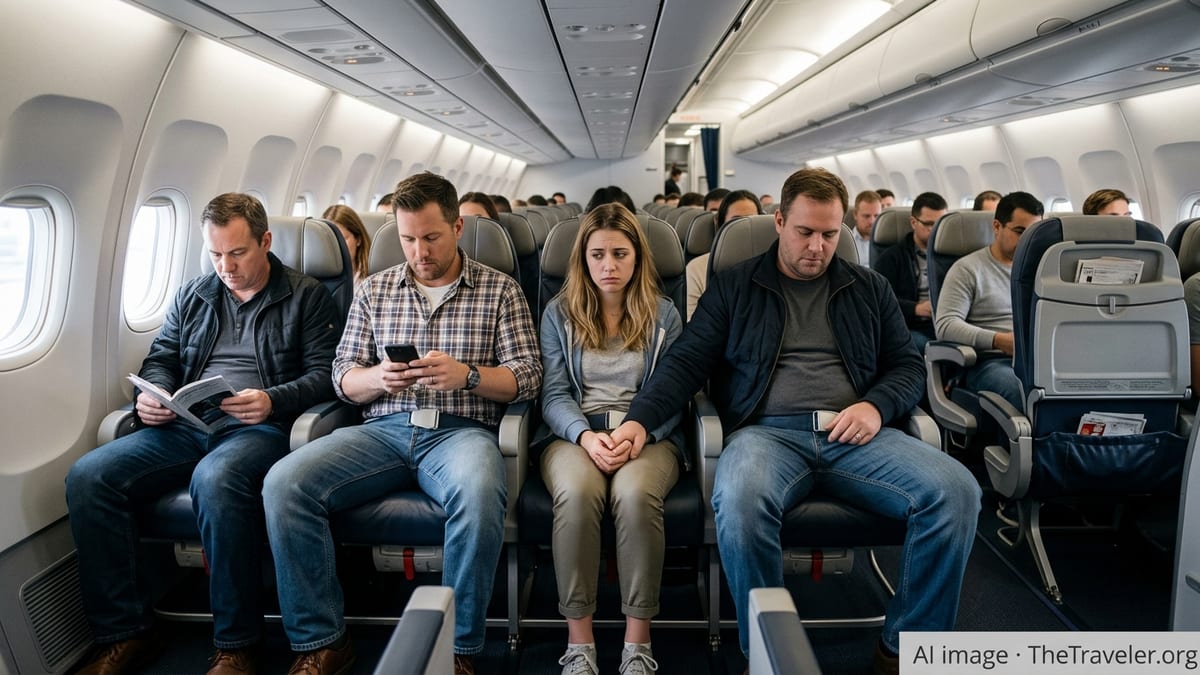
For travelers, the financial drama has translated into a more immediate worry: what happens if Spirit abruptly stops flying. Commentary in consumer travel coverage and online forums reflects mounting anxiety among people holding tickets for the coming weeks and months, particularly as some reports have suggested the airline could move to liquidate on short notice if funding collapses.
History in the aviation sector shows that when airlines fail, they often do so suddenly, with flights canceled overnight and airport counters left unstaffed. News analysis of past collapses has highlighted how passengers have arrived at airports only to discover that their airline no longer exists, with limited recourse beyond pursuing refunds through bankruptcy proceedings or payment providers.
Travel experts quoted in recent articles have emphasized that there is currently no official shutdown date for Spirit and that flights continue to operate as scheduled. At the same time, they note that the uncertainty surrounding the carrier’s finances means travelers should be prepared for disruption. Many are advising passengers to monitor news closely, verify that their contact details are up to date in bookings and consider contingency plans for time-sensitive trips.
Concerns are especially acute at airports where Spirit is a major presence, including its South Florida base. If the airline were to halt operations, available seats on rival carriers could quickly be snapped up, driving up fares and leaving some travelers with limited immediate alternatives.
Refunds, insurance and practical steps for travelers
The prospect that Spirit could go out of business within days or weeks has prompted a wave of questions about consumer protections. Travel industry reporting points out that if an airline liquidates under U.S. bankruptcy law, passengers holding unusable tickets are typically treated as unsecured creditors. In practice, that often means refunds from the airline itself are delayed or yield only partial repayment, if any.
Some travelers may find relief through credit card chargebacks, depending on the issuer’s policies and timing of the purchase. Consumer advocates cited in recent coverage recommend that Spirit customers retain documentation of bookings and any cancellation notices, as card issuers commonly require proof that services were not delivered in order to reverse charges.
Travel insurance is another area of confusion. Standard policies do not always cover the insolvency of an airline, and several commentators have urged passengers to read the fine print or contact their insurer to confirm whether “airline failure” is included. Without that specific protection, policyholders may not be able to recover costs if Spirit shuts down and alternative travel becomes necessary.
For upcoming trips, some analysts suggest a cautious but measured approach. Canceling Spirit flights preemptively could jeopardize eligibility for certain refunds or protections that only apply when an airline cancels a service. On the other hand, travelers with critical journeys, such as weddings, cruises or international connections, may decide that booking a backup itinerary on another carrier is worth the added expense to reduce the risk of being stranded.
What Spirit’s turmoil means for U.S. airfares
Beyond immediate disruption, Spirit’s potential collapse carries broader implications for air travel in the United States. As one of the country’s largest ultra-low-cost airlines, Spirit has played a significant role in keeping fares down on routes where it competes head-to-head with bigger carriers. Industry analysts regularly note that when a budget carrier enters a market, legacy airlines often respond with lower prices and more promotional fares.
If Spirit were to disappear or shrink dramatically, experts warn that competition could weaken on some routes, particularly from secondary airports where Spirit has been a dominant presence. Early signs of this dynamic may already be emerging. Local reports from some cities describe higher fares and fewer low-cost options following recent Spirit schedule cuts tied to its restructuring.
The loss of a major discount carrier would also test the capacity of the broader system. Larger airlines might absorb some displaced demand, but there is no guarantee that they would replace all of Spirit’s seats, frequencies or ultra-low fare offerings. For price-sensitive travelers, including families and leisure customers who have relied on bare-bones tickets, that could translate into higher travel costs and fewer spontaneous trips.
For now, Spirit remains in the air, and the outcome of its financial crisis is still uncertain. However, the convergence of rising fuel prices, strained credit lines and shaken consumer confidence has turned the airline into a focal point for both Wall Street and Main Street, with travelers watching closely for any sign that their next flight could be the one that does not take off.