


Florida’s calendar is crowded with reasons to visit, from raucous pirate parades and waterfront music festivals to refined art fairs and world-class food events. Whether you are planning a dedicated festival trip or simply want to anchor your beach holiday to something special, the Sunshine State delivers a steady rhythm of annual celebrations that showcase its diverse cultures, coastal cities and culinary talent. Here is a guide to some of Florida’s best recurring events, what gives each one its character, and how travelers can make the most of them.
Gasparilla Season in Tampa: Pirates, Parades and Beads
Few annual events capture Florida’s playful side like Tampa’s Gasparilla Pirate Festival. Dating back to the early 1900s, this series of parades and waterfront happenings centers on a theatrical “pirate invasion” led by the Ye Mystic Krewe of Gasparilla, who arrive aboard a replica pirate ship surrounded by a flotilla of private boats. The main Parade of Pirates typically unfolds on the last Saturday in January, drawing huge crowds along Bayshore Boulevard and into downtown for a family-friendly spectacle of floats, marching bands and bead-tossing revelry.
Travelers who want a full Gasparilla experience can plan around the broader season of events that stretches from mid-January into early March. A children’s parade along a shorter Bayshore route lets families enjoy the fun with a calmer atmosphere and earlier finish, while the Sant’ Yago Illuminated Knight Parade lights up Ybor City on a February evening with glow-lit floats and a festival feel in Tampa’s historic Latin quarter. Throughout the season, bars, restaurants and local breweries layer on themed menus and pirate parties, giving visitors plenty of chances to join the citywide celebration.
For visiting spectators, the key to Gasparilla is embracing the mix of carnival and community. Crowds along the parade route can be dense, so arriving early to stake out a spot and using public transport or rideshares is wise. Many locals dress in pirate-inspired outfits, from striped bandanas to full regalia, and travelers who lean into the costume tradition often find it easier to strike up conversations and feel part of the scene. Booking accommodation near downtown or the historic Hyde Park and Ybor City districts lets you walk to much of the action and avoid traffic when the pirates come ashore.
South Beach Wine & Food Festival: Miami’s Culinary Showcase
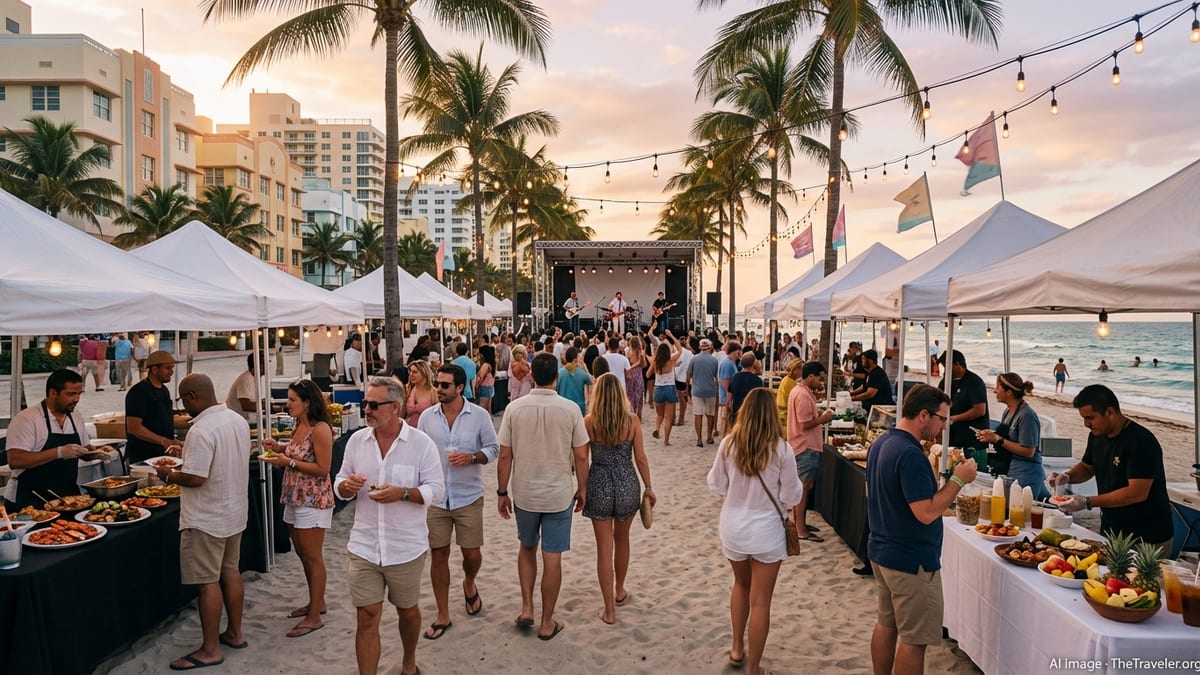
Each February, Miami Beach becomes a playground for food lovers during the Food Network South Beach Wine & Food Festival, widely known as SOBEWFF. What began in the 1990s as a small wine event tied to Florida International University has grown into one of the country’s most prominent culinary festivals, now spanning several days of beachfront tastings, chef-hosted dinners, branded parties and hands-on cooking events. Celebrity names from television mingle with homegrown Miami talent, and the sands of South Beach transform into open-air dining rooms where visitors graze from tent to tent.
SOBEWFF is as much about the city as it is about the chefs. Many of the signature events are staged right on the beach or in oceanfront hotels, with the Atlantic as a backdrop, salty breezes cutting through the smoke of barbeque grills and the aromas of global street food stalls. In recent years the festival has put stronger emphasis on local restaurants and neighborhood spots, using large walk-around tastings like Burger Bash and pan-Asian street markets to spotlight South Florida’s diverse culinary scene. Nighttime concerts and DJ sets add a party atmosphere that can stretch long past midnight.
Planning a visit around SOBEWFF requires forethought, as major events often sell out and Miami Beach hotel rates climb during festival week. Travelers should consider choosing a mix of one or two big, marquee tastings and a couple of smaller dinners or seminars to balance cost, crowds and variety. Comfortable shoes, sun protection and a plan for staying hydrated are essential, as much of the festival takes place outdoors in the South Florida sun. Those seeking a quieter base might stay in neighborhoods like Mid-Beach or downtown Miami and commute to South Beach by rideshare, combining festival time with explorations of Little Havana, Wynwood and the Design District between bites.
Epcot International Food & Wine Festival: A Global Tasting Tour
In Central Florida, Walt Disney World’s Epcot International Food & Wine Festival turns the fall season into a months-long celebration of global flavors. Held annually at Epcot in the Walt Disney World Resort near Orlando, the festival typically runs from late summer into November, with dozens of food kiosks encircling the World Showcase lagoon. Each booth features small plates and drinks inspired by different regions, from classic French pastries and Italian wines to inventive takes on Caribbean dishes, Latin American street food and plant-based cuisine.
The festival’s appeal lies in its mix of theme-park polish and culinary exploration. Visitors can graze at their own pace, sampling a shared plate or two at each kiosk and pairing bites with regional wines, craft beers or cocktails. Evenings often bring live music from touring bands and tribute acts, staged at the America Gardens Theatre, which adds a concert backdrop to the lakeside strolling. Special ticketed experiences, such as chef demonstrations, pairing dinners and culinary workshops, offer a deeper dive for serious food enthusiasts, though casual travelers can enjoy plenty of variety with just standard park admission and an appetite.
For travelers already considering a Walt Disney World trip, timing a visit to overlap with the Food & Wine Festival is an easy way to enhance the experience without radically changing the itinerary. Weekdays and earlier dates in the festival run are often less crowded than weekends, when Orlando-area locals flock to Epcot to eat and drink around the world. Guests can manage costs by setting a rough daily budget for food booth spending and using the smaller plates as a substitute for sit-down meals. Staying at a resort within walking or boat distance of Epcot, such as those around Crescent Lake, can make it easier to take midday breaks and return in the cooler evening hours for another round of tastings and live music.
SunFest and Ultra: Music on the Waterfront
Florida’s festival calendar is also anchored by two high-profile music events that take full advantage of the state’s waterfront backdrops. In West Palm Beach, SunFest typically unfolds over several days in early May along the Intracoastal Waterway. The event brands itself as one of Florida’s largest waterfront music and art festivals, with multiple stages, art installations, food vendors and a relaxed, start-of-summer vibe. Lineups typically span rock, pop, hip-hop and alternative acts, and the setting allows concertgoers to watch headliners perform as boats drift along the waterway just beyond the stages.
Farther south in downtown Miami, Ultra Music Festival draws electronic dance music fans from around the world each March. Staged in Bayfront Park, the event is known for its towering LED-laden stages, elaborate light shows and a dense lineup of international DJs. For three days, the park’s lawns and waterfront promenades become a pulsing open-air club, with skyscrapers framing the skyline and Biscayne Bay reflecting the festival’s neon glow. Ultra has evolved into a cornerstone of Miami’s broader Music Week, when clubs and hotels across the city host satellite parties, label showcases and after-hours sets.
Visitors considering either SunFest or Ultra should weigh the differences in scale and intensity. SunFest typically caters to a broad age range and pairs headlining acts with art markets and casual food stalls, making it a comfortable option for groups and families willing to navigate festival crowds. Ultra by contrast is high-energy and highly amplified, best suited to travelers who enjoy dense crowds, long days on their feet and late-night schedules. In both cases, booking accommodation within walking distance or convenient transit of the festival grounds can significantly improve the experience, as traffic and parking demand often spike during headline sets and closing nights.
Florida State Fair and Small-Town Celebrations
Beyond the marquee coastal events, Florida’s inland communities host a network of fairs and festivals that showcase the state’s agricultural heritage and small-town charm. The Florida State Fair, typically held each February near Tampa, is among the earliest state fairs on the national calendar. It combines carnival rides, livestock shows, craft competitions and rows of food stands offering indulgent fair staples and creative deep-fried inventions. For many Floridians, the fair marks the unofficial start of spring, as cool winter mornings give way to sunny afternoons on the midway.
Elsewhere in the state, county and regional fairs follow in quick succession, each adding its own local flavor. You might find pie contests showcasing family recipes, rodeo events, bluegrass performances or heritage exhibits highlighting citrus farming, cattle ranching or Florida’s role in space exploration. For travelers used to the polished experiences of major theme parks and big-city festivals, these fairs offer a more intimate glimpse of everyday Florida, with fewer crowds and more interactions with local residents, growers and artisans.
Planning to include a fair or small-town festival in a Florida itinerary can be as simple as checking dates for the region you plan to visit. Many of these events cluster between January and April, when weather across most of the state is at its mildest. Visitors who value a slower pace might choose to anchor a road trip around one or two such events, combining them with visits to state parks, springs or historic downtowns. Comfortable walking shoes, sun protection and an appetite for hearty, informal fare are the main prerequisites for enjoying these gatherings.
Miami Art Week and Art Basel Miami Beach
In early December, Miami Beach and the greater Miami area transform into one of the world’s premier art destinations during Miami Art Week, with Art Basel Miami Beach as its centerpiece. The main fair is staged at the Miami Beach Convention Center and brings together leading galleries, collectors, curators and artists from around the globe. Sleek exhibition halls showcase contemporary works in every medium, from large-scale installations and sculpture to painting, photography and digital pieces, creating a dense, walkable survey of current art trends and market forces.
What makes Art Basel Miami Beach distinctive is the way it spills into the broader city. Satellite fairs, pop-up galleries, public installations and brand-sponsored experiences appear across neighborhoods from South Beach and Wynwood to downtown and the Design District. Hotels host curated exhibitions in lobbies and pool decks, luxury boutiques commission limited-edition collaborations and restaurants roll out special menus and late-night seatings. For several days the city feels like an open-air arts campus, with crowds of visitors hopping between venues by foot, rideshare, bike and shuttle.
For travelers, Miami Art Week offers flexibility in how deeply to engage. Those focused on the main fair can spend full days exploring the Convention Center, while more casual visitors might combine a short visit to Art Basel with time in outdoor art districts and along the beach. Comfortable attire is key, as the week often involves extensive walking, standing and time in both climate-controlled halls and humid coastal air. Early planning is essential: accommodation across Miami Beach and central Miami books out quickly, and restaurant reservations can be hard to secure at peak times. Visitors interested in emerging artists and edgier work may want to prioritize satellite fairs and independent galleries, which often feel more approachable than the blue-chip booths of the main exhibition.
Fantasy Fest and Florida’s Quirkier Side
For those with a taste for creative costuming and after-dark revelry, Key West’s Fantasy Fest shows off Florida’s more eccentric streak. Held annually in late October near Halloween, this multi-day celebration is anchored by elaborate themed parties, body painting, masquerades and a grand parade along Duval Street. The island’s streets fill with costumed revelers, intricate floats and live music, while bars and guesthouses host a packed schedule of events that range from tongue-in-cheek contests to charity fundraisers.
Unlike family-oriented parades and fairs elsewhere in the state, Fantasy Fest leans deliberately adult, particularly in the evenings, with many events adopting tongue-in-cheek or risqué themes. Daytime, however, can still offer a more relaxed atmosphere, as visitors wander Old Town Key West admiring costumes, street performers and decorated storefronts. The event sits at the intersection of Mardi Gras-style pageantry and island laid-backness, with the historic architecture and turquoise waters of the Keys as a vivid backdrop.
Travelers considering Fantasy Fest should research themes and event schedules early, as many costume contests and parties are ticketed and accommodations across the compact island often sell out months in advance. Those who prefer a quieter base may stay on nearby Stock Island or in the Upper Keys and commute for selected events rather than immersing themselves in the full week of festivities. Respectful participation is crucial: while spectacle is part of the draw, local authorities and organizers work to balance creative expression with public decency rules, and visitors are expected to follow posted guidelines.
The Takeaway
Florida’s best annual events reveal a state defined by contrast and variety. Within a single year, visitors can watch pirates “invade” Tampa Bay, sip rare wines on the sands of South Beach, taste small plates from dozens of countries around an Orlando lagoon, sway to live music along a West Palm Beach waterfront and wander through cutting-edge art installations in Miami Beach. Layer in the scent of fairground food at the Florida State Fair and the gleeful chaos of Key West’s Fantasy Fest, and the result is a destination where nearly every month offers a distinct flavor of celebration.
For travelers, the key is to align the character of each event with your own travel style. Families may gravitate toward parades and food festivals that offer daylight fun and structured programming, while night owls and party-seekers might plan trips around Ultra’s sound systems or the late-night energy of Miami Art Week and Fantasy Fest. Climate is another factor, as many of the state’s biggest gatherings take place in the cooler, drier months between January and April, when outdoor activities are most comfortable.
By choosing a festival or parade as the anchor of a Florida trip and building in extra days before or after the event, visitors can balance the intensity of crowds and schedule commitments with time to explore beaches, springs, cultural districts and parks at a gentler pace. Whether you come for beads, burgers, fine art or fireworks over the water, Florida’s annual events offer a window into the communities that host them and a compelling reason to return as the calendar turns.
FAQ
Q1. When is the best time of year to plan a Florida trip around festivals?
The most festival-heavy stretch typically runs from January through early May, plus early December, when weather is milder and many parades and major events take place.
Q2. Which Florida annual event is most suitable for families with young children?
Events like the Gasparilla Children’s Parade, the Florida State Fair and Epcot International Food & Wine Festival (earlier in the day) tend to be the most family-friendly.
Q3. Do I need to buy tickets in advance for big Florida festivals?
For major events such as SOBEWFF, Ultra Music Festival and Art Basel-related fairs, advance tickets are strongly recommended, as popular sessions and days often sell out.
Q4. How far in advance should I book accommodation for these events?
For high-demand periods in Miami, Key West and Tampa, aim to reserve rooms three to six months ahead, especially for waterfront hotels and smaller boutique properties.
Q5. Are Florida’s major parades and festivals accessible by public transportation?
In larger cities like Miami and Tampa, many events are reachable via a mix of public transit, rideshares and walking, but visitors should still expect road closures and delays.
Q6. What should I pack if I am attending outdoor events in winter and spring?
Light, breathable clothing, a hat, sunscreen and comfortable shoes are essential, along with a light layer for cooler mornings or evenings and a small bag for water and snacks.
Q7. Can I attend these events on a budget?
Yes, by choosing free parades or public art installations, limiting paid ticketed events and staying in neighborhoods just outside the main festival zones, costs can be kept manageable.
Q8. Are the big food festivals suitable for travelers with dietary restrictions?
Many vendors now highlight vegetarian, vegan or gluten-conscious options, but those with strict dietary needs should research menus in advance and ask questions on site.
Q9. How do Florida’s summer festivals differ from winter and spring events?
Summer events often focus on beach parties and local celebrations, but higher heat, humidity and afternoon storms require more planning around shade, hydration and timing.
Q10. Is travel insurance worth considering for festival-focused trips?
Because severe weather or health issues can disrupt tightly scheduled events, many travelers find that trip insurance with good cancellation and interruption coverage provides peace of mind.