


More news on this day
With U.S. airports preparing for one of the busiest Independence Day travel periods on record, travelers flying around July 4 are being urged to tighten their preflight routines long before they reach the terminal.
Get the latest news straight to your inbox!
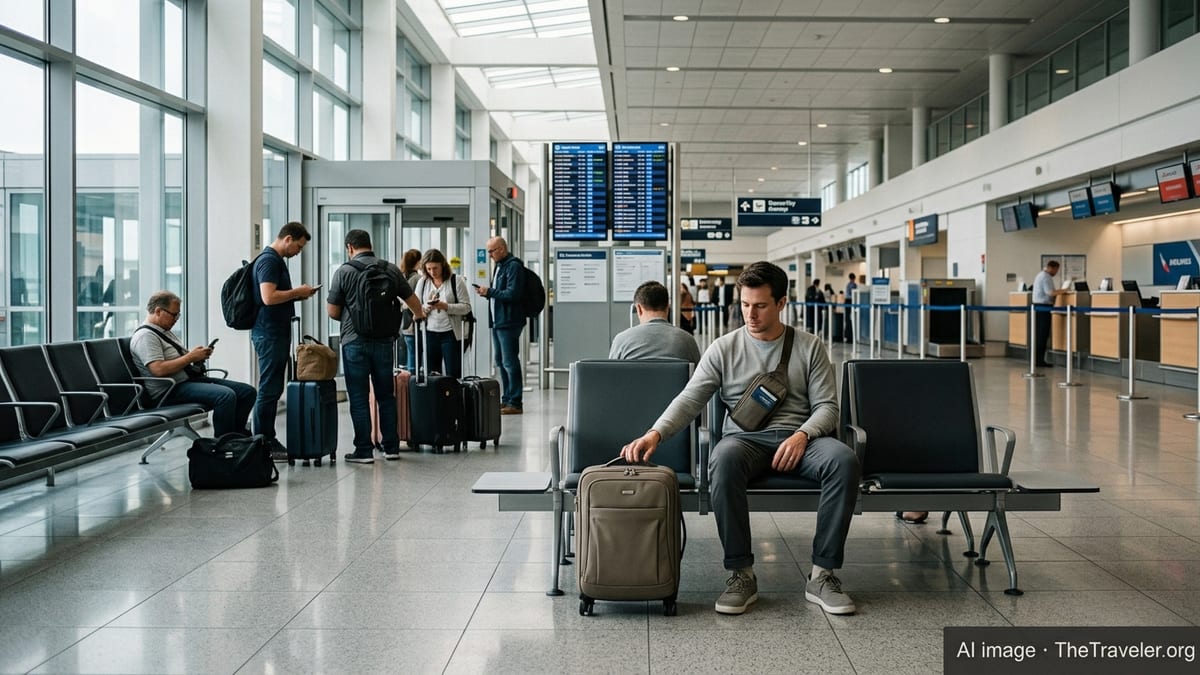
Confirm when the airport will be busiest for your flight
Forecasts for the 2026 July 4 window point to record passenger volumes, with federal screening data indicating nearly 19 million people are likely to pass through security checkpoints over the extended holiday period. Travel industry analyses show that crowding will not be limited to the single calendar day of July 4, but will spread across several days before and after, concentrating on peak outbound and return dates.
Booking platforms and airline outlooks point to midweek as the crunch point, with July 3 and July 6 highlighted as especially heavy for departures and returns. Other booking data suggests July 2 is shaping up as one of the most expensive and congested days for domestic flyers, while flights on July 4 itself are often somewhat quieter and cheaper than the surrounding peak dates.
Before leaving for the airport, travelers are advised to check how their specific departure time lines up with typical rush periods at their home airport. Publicly available wait time trackers and airport advisories consistently show the longest lines building in the early morning bank between roughly 5 a.m. and 9 a.m., and again in the late afternoon and early evening. Choosing an earlier or later flight, when possible, or allowing additional buffer time for these peak windows can significantly reduce the risk of missing a departure.
Holiday traffic advisories from major airport systems also stress that passengers should factor in extra time for roadway congestion, parking shortages and terminal crowds. In some large metro areas, airport operators are strongly encouraging the use of public transit and advance parking reservations, which can materially change how early a traveler needs to leave home even before they join the check in line.
Recheck your flight status and aircraft before you depart
Irregular operations have become a defining feature of peak summer flying, and recent federal air travel reports show that roughly one in five flights can be delayed in an average month, with weather and late arriving aircraft among the most common causes. Over the July 4 period, aviation analysts note that summer thunderstorms, heavy traffic and temporary airspace restrictions around celebrations can add further strain to already tight schedules.
To avoid surprises at the airport, travelers are encouraged to check both the status of their own flight and the status of the inbound aircraft that will operate it before leaving home. Airline apps and common flight tracking services now display where an aircraft is coming from and whether it is running on time, offering earlier warning of potential disruptions than departure boards alone.
Monitoring this information can help passengers decide whether they need to accelerate their departure from home, prepare for an extended wait, or explore rebooking options before long lines form at the airport. It can also reduce time spent in the terminal if it becomes clear that a significant delay is developing and boarding will be pushed back.
Travel experts also emphasize the value of enabling push notifications from airlines and scanning for schedule changes in the 24 to 48 hours before travel. During busy holiday periods, small schedule adjustments, aircraft swaps or gate changes can cascade across an itinerary, particularly for passengers with tight connections through large hubs that are themselves facing heavy July 4 passenger volumes.
Plan your arrival time with security in mind
Guidance from security planners and travel industry sources continues to cite the standard rule of arriving about two hours before domestic departures and three hours before international flights. However, recent coverage of screening operations notes that these benchmarks can be insufficient during peak holidays when passenger volume, staffing variability and early morning departure banks combine to create unpredictable queues.
For the July 4 period, passengers are being advised to treat the two and three hour guidelines as a minimum starting point rather than a guarantee. Families traveling with children, groups checking multiple bags, and flyers without frequent traveler programs such as TSA PreCheck may benefit from adding at least 30 to 60 minutes to those baselines, especially if traveling at known rush hours or through large hubs with complex security layouts.
A number of airport focused reports have highlighted that arriving excessively early can also cause problems, such as overcrowding terminals before check in counters open or forcing passengers to wait for screening lanes that are not yet staffed. To avoid this, travelers are encouraged to consult their airline’s check in and bag drop opening times and to review airport specific advisories, many of which detail when security lanes typically open and where screening resources are concentrated.
Travel planning services that aggregate real time and historical checkpoint data can provide an additional layer of insight. While these tools are not perfect and can be thrown off by sudden disruptions, they can help passengers estimate whether typical July 4 wait times at their airport are closer to 20 minutes or more than an hour, and to adjust their departure from home accordingly.
Audit your ID, boarding passes and payment options
One of the most preventable causes of last minute stress at the airport remains documentation problems. Public information from transportation agencies continues to stress that all passengers aged 18 and over must carry acceptable identification for domestic flights, and that those using newer compliant IDs should ensure cards are valid and not expired.
For the 2026 July 4 period, travelers are reminded to verify, before leaving home, that the name on their government issued ID matches the name on their booking and boarding pass. Name mismatches, typos or use of nicknames can slow the check in process or require additional time at the ticket counter, which can be costly during peak travel days.
Travel industry publications also note that many problems arise when passengers rely on a single device for digital boarding passes and payment options. To reduce risk, passengers are encouraged to download boarding passes in advance, take screenshots in case of connectivity issues and, where possible, carry a printed copy. Keeping a backup payment card and some local currency separate from a primary wallet can also help if an item is misplaced in the rush of security or boarding.
Parents and guardians traveling with children should check identification, consent documentation where relevant, and boarding passes for all members of their party. Reports suggest that verifying this paperwork the night before departure, rather than in the ride to the airport, significantly reduces the likelihood that an overlooked document forces a return home or a missed flight.
Pack for a faster checkpoint and smoother flight
Security officials and travel advisors are again emphasizing that how passengers pack can meaningfully shorten or lengthen checkpoint lines during the July 4 rush. Publicly available guidance reiterates the long standing liquid rule for carry on bags and highlights that items which can be sprayed, spilled, spread, pumped or poured generally count toward the limits and must be in appropriately sized containers.
Travel tip sheets for the 2026 holiday period advise passengers to organize carry on bags so that laptops, tablets and large electronics can be easily removed if required, and to avoid overstuffing personal items that may need to fit under the seat. Packing with security screening in mind not only speeds an individual traveler’s progress but also reduces the cumulative slowdowns that occur when multiple bags in a row require secondary inspection.
Given the likelihood of weather related delays and congested airspace over the July 4 weekend, many analysts recommend that passengers also pack essential medications, chargers, a change of clothes and key personal items in their carry on rather than checked luggage. This approach can mitigate the impact of missed connections, gate changes or baggage handling disruptions, which become more common whenever schedules are tight and thunderstorm activity is high.
Finally, travelers are encouraged to review any special rules that apply to items such as fireworks, grilling equipment and recreational gear that are popular around Independence Day celebrations. Most of these items face strict limits or outright bans on commercial aircraft, and reports each year describe passengers having such goods confiscated at checkpoints or check in counters, creating delays and disappointment that can be avoided with a quick rules check before leaving home.