

More news on this day
Passengers are being urged to prepare for possible delays and diversions as a spell of fog and mist moves across several busy airports, reducing visibility and threatening to disrupt tightly packed flight schedules.
Get the latest news straight to your inbox!
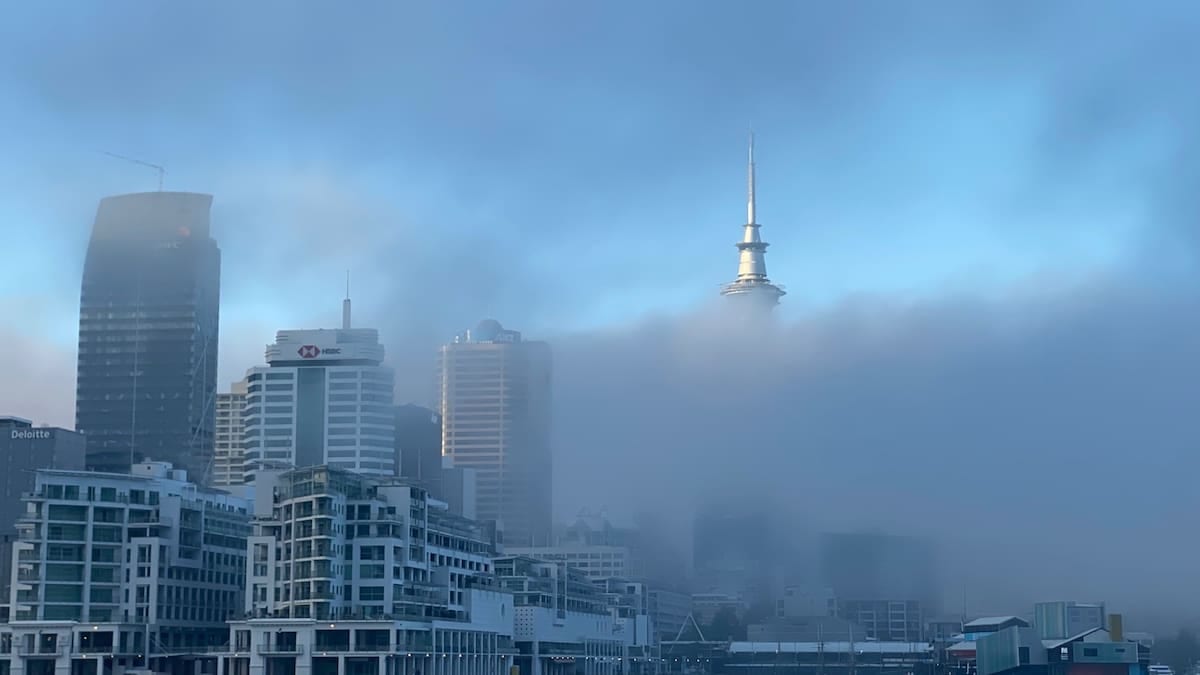
Low Visibility Puts Pressure on Airport Operations
Fog and mist are among the most challenging weather conditions for airports, primarily because they sharply reduce visibility along runways and taxiways. When visibility drops below predefined thresholds, air traffic controllers and airlines typically respond by slowing the rate of takeoffs and landings, which can quickly cascade into broader schedule disruption.
Recent planning briefings drawn from air traffic control data show that low ceilings and fog have already prompted ground delay programs at major hubs this month, including San Francisco International Airport, where reduced arrival rates have lengthened average delays during morning and early afternoon peaks. Similar measures have been noted at Boston Logan International Airport during periods of low cloud and mist, highlighting the vulnerability of coastal and maritime airports to persistent visibility problems.
These protective measures are designed to maintain safety margins while equipment such as instrument landing systems and runway visual range sensors help pilots operate in degraded conditions. Even with such technology, however, traffic throughput must be reduced when airport surface markings and runway thresholds become difficult to see, particularly during busy bank periods.
According to publicly available planning documents, ground delay programs and visibility-related spacing requirements can cut an airport’s arrival capacity significantly, forcing airlines to retime or cancel flights when fog lingers beyond forecast windows.
Recent Disruptions Underscore Weather Sensitivities
While thunderstorms and strong winds often dominate headlines, a series of recent briefings on air traffic disruptions show that low clouds and fog have been prominent contributors to delays in May. System snapshots shared by aviation planners in mid-May cited “low ceilings” and “fog” as primary causes for extended delays at some large U.S. airports, illustrating how reduced visibility alone can bottleneck traffic even on otherwise calm days.
Air traffic status pages maintained by federal authorities also illustrate how quickly weather conditions can trigger formal programs. When visibility and cloud bases fall below set thresholds, airports may move into ground delay status, with arrival slots metered throughout the day. In more severe cases, flights can be held at their origin airports until visibility improves, a measure designed to prevent excessive airborne holding near the affected destination.
Travel industry analyses note that these local capacity reductions can ripple across the wider network, especially when they affect hub airports that feed onward connections. If an early-morning wave of arrivals is constrained by fog, subsequent departures may leave late, causing missed connections and knock-on disruption that can last well into the evening schedule.
In extreme scenarios, sustained fog can also lead to diversions, where inbound aircraft are rerouted to airports with better conditions. Recent passenger accounts from diverted flights into Canadian hubs during heavy fog have highlighted the strain this places on both crews and ground operations as airlines work to refuel aircraft and reposition travelers.
What Travelers Can Expect When Fog Rolls In
When airports signal the potential for fog-disrupted operations, airlines often begin adjusting schedules well in advance. Publicly available notices and customer emails in similar situations typically warn that flights may be delayed, re-timed, or consolidated to match reduced arrival and departure rates.
Operational playbooks used across the industry point to several likely outcomes. Morning departures into known fog-prone airports may be pushed back or combined, while aircraft that overnight at those airports can face longer-than-usual waits for departure clearance as the day’s first arrivals are carefully sequenced. For travelers, this can translate into longer lines at check-in, extended time on board waiting for a takeoff slot, or sudden gate changes as airlines juggle aircraft and crews.
Analyses by travel compensation services and aviation data firms show that visibility-related delays can sometimes be more prolonged than those caused by fast-moving storm cells. Fog may form overnight and persist through early afternoon, slowing recovery and leaving comparatively little room in the schedule to absorb additional disruption later in the day.
Passengers connecting through hub airports are particularly exposed, as a single delayed inbound leg can cause misaligned itineraries across multiple onward segments. Industry advisories for similar events often recommend that travelers build in extra connection time or consider earlier departures when fog forecasts coincide with critical journeys.
How Airlines and Airports Manage Fog Conditions
To manage the operational impact of fog and mist, airports and airlines rely on a combination of forecasting tools, visibility sensors, and structured traffic management programs. Air traffic control centers use runway visual range readings and ceiling heights to determine safe operating minima and to decide when to introduce metering initiatives such as ground delay programs.
Published aviation planning documents indicate that, under low-visibility conditions, arrival rates may be cut to a fraction of normal capacity to maintain safe spacing between aircraft. Taxi speeds are also reduced, and additional precautions are taken at runway intersections and crossing points. These adjustments lengthen each aircraft movement, effectively shrinking the hourly throughput an airport can safely handle.
Airlines, for their part, have to reoptimize their daily plans in response to these constraints. Public guidance from carriers during past fog episodes has suggested that they may prioritize long-haul and hub-feeding flights, while trimming some short-haul or high-frequency services. Aircraft and crews can end up out of their planned positions, prompting further adjustments that can persist even after weather improves.
Airport operators and regulators also periodically review their infrastructure to cope with recurring low-visibility conditions. Investment in advanced approach lighting, improved surface guidance systems, and higher-category instrument landing systems can help reduce the threshold at which operations must be curtailed, although such upgrades require significant planning and certification.
Advice for Passengers Facing Potential Fog Delays
With forecasts indicating that pockets of fog and mist may continue to affect several airports, passenger advocates and travel analysts are emphasizing preparation and flexibility. Past disruption patterns suggest that travelers who monitor their flights closely and adjust plans early are often better positioned when visibility begins to deteriorate.
Consumer guidance drawn from previous weather events generally recommends that passengers check their flight status frequently on airline apps, sign up for notifications, and allow extra time at the airport. Rebooking options may be more plentiful before a wave of delays takes hold, while same-day change policies and waivers sometimes become available when carriers anticipate widespread impact.
Analyses by travel rights organizations also stress the importance of understanding the distinction between weather-related and controllable disruptions. While weather events such as fog are typically classified outside airline control, clear documentation of delays, cancellations, or missed connections can still help passengers access meal vouchers, hotel assistance, or partial refunds where policies allow.
Given the potential for fog and mist to form quickly, especially in coastal and valley regions, travel experts note that some degree of uncertainty is unavoidable. However, recent reporting on air traffic trends suggests that better forecasting, more granular planning tools, and steady infrastructure investments are helping airports manage low-visibility conditions with a greater degree of predictability, even as schedules remain vulnerable to slow-clearing morning fog.