

More news on this day
Portugal is bracing for severe travel disruption in early June as a nationwide general strike, backed by aviation unions, threatens to disrupt around 500 flights and slow transport links across the country at the start of the summer season.
Get the latest news straight to your inbox!
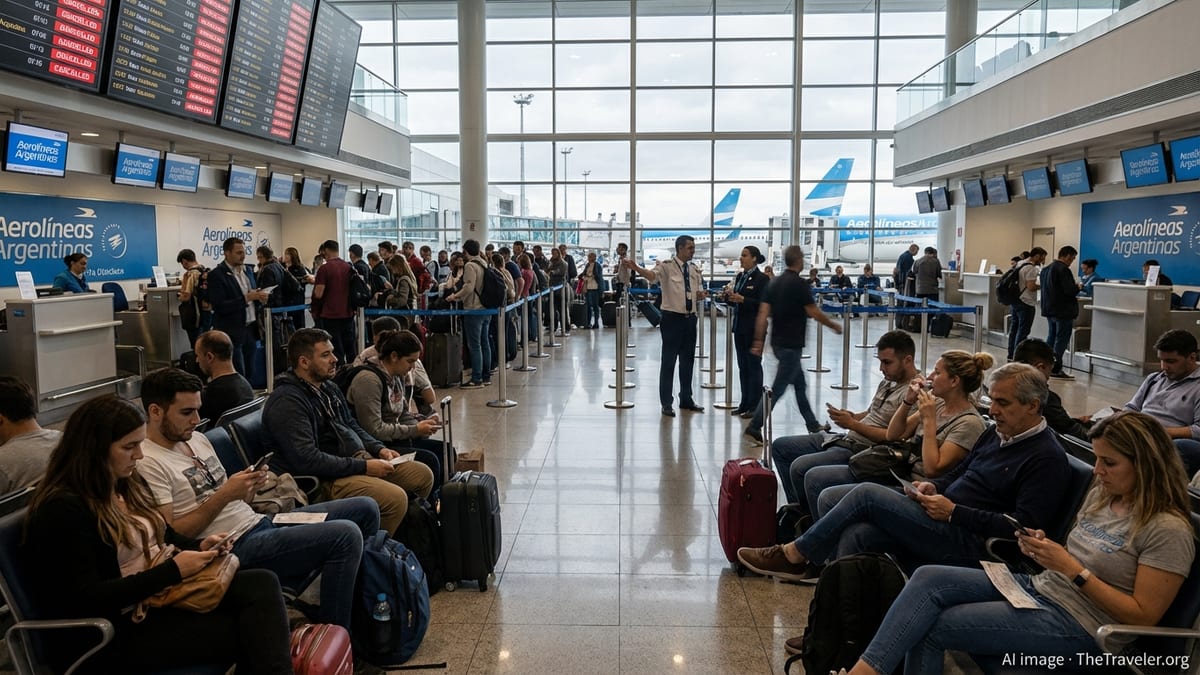
Nationwide strike set to hit air travel on 3 June
Published coverage indicates that a broad general strike has been called in Portugal for 3 June, with transport and public services among the sectors expected to be hardest hit. Aviation unions representing cabin crew have voted to join the action, raising the prospect of large-scale delays and cancellations at Lisbon, Porto, Faro and other Portuguese airports.
Reports from European travel media and local outlets suggest that up to 500 flights could be disrupted on the day of the walkout, including services operated by national carrier TAP Air Portugal and low cost airlines such as Ryanair and easyJet. The strike is expected to affect both domestic and international routes, including popular links with the United Kingdom and other major European markets.
Analysts note that the action comes just as Portugal enters one of its busiest travel windows of the year, with early summer holiday traffic already building. Any large loss of capacity on a single day is likely to create knock-on effects before and after 3 June, as airlines reposition aircraft and crews and attempt to clear backlogs of stranded passengers.
Airlines and unions clash over working conditions
The dispute centers on pay, working conditions and broader labor reforms in the transport sector. Publicly available information from union statements shows that the National Union of Civil Aviation Flight Personnel, which represents cabin crew at TAP and other airlines, has endorsed participation in the national strike after members voted in favor of joining.
TAP, which operates roughly 300 flights per day to and from Portuguese airports in normal conditions, is expected to be particularly exposed. Coverage from business and financial news services indicates that flights at carriers with Portuguese bases, including Ryanair and easyJet, could also face disruption where crew or support staff join the walkout.
Union representatives have argued that proposed changes to staffing rules and employment conditions would erode long standing rights, while employers and government officials have warned that the strike will harm the wider economy and tourism sector. With negotiations described as strained in recent days, observers see limited prospects for a rapid breakthrough ahead of the planned action.
Major hubs Lisbon and Porto most at risk
Lisbon Airport, Portugal’s main international gateway, is expected to shoulder the largest share of disruption. The capital already contends with long queues at peak times, and recent episodes of staffing unrest and ground handling bottlenecks have highlighted how quickly operations can become strained when the system is under pressure.
Travel industry reports suggest that Porto and Faro are also likely to experience significant delays, particularly on high frequency leisure routes linking northern Europe to Portugal’s cities and coastal resorts. Even flights that are not directly targeted by the strike could be affected if aircraft and crews are out of position or if shared airport services slow down.
Experience from previous strikes in Portugal and elsewhere in Europe indicates that recovery from a single day of heavy disruption can take several days, especially when airports are already busy. Missed connections, rebooked itineraries and aircraft maintenance schedules can all combine to keep operations unstable after the formal end of the strike.
Holidaymakers urged to prepare for disruption
With the strike date now approaching, airlines and travel agents are advising passengers with bookings around 3 June to monitor their reservations closely and be prepared for changes. Industry guidance typically encourages travellers to ensure that airlines have up to date contact details so that any schedule alterations, rebookings or re-routings can be communicated quickly.
Consumer rights organisations also point to European passenger protection rules that may apply in cases of long delays or cancellations, depending on the underlying cause of the disruption and the specific circumstances of each flight. While entitlements vary, travelers are often eligible for assistance such as meals, hotel stays and alternative transport when journeys are severely affected.
For visitors heading to Portugal in early June, practical steps such as allowing extra time at the airport, traveling with carry on luggage where possible and considering flexible accommodation plans may help to manage the uncertainty. Travel planners note that even if the final number of grounded flights is lower than current estimates, the scale of the planned action is likely to make 3 June one of the most challenging days of the summer for air travel in and out of the country.
Broader implications for Portugal’s tourism season
The looming strike highlights the vulnerability of Portugal’s tourism dependent economy to disruption in its transport networks. Aviation has been central to the country’s post pandemic recovery, with record numbers of visitors reported in recent seasons and strong demand from key markets including the United Kingdom, Germany, France and the United States.
Industry commentators warn that repeated episodes of labor unrest could undermine confidence among travelers considering Portugal for their summer holidays. While a single day of disruption is unlikely to derail the season, a highly visible shutdown affecting hundreds of flights may prompt some visitors to build more contingency into their plans or delay bookings.
For now, tourism bodies and local businesses are watching developments closely, hoping that late compromises can limit the scale of the disruption. If the strike goes ahead as currently planned, early June will provide a significant test of how resilient Portugal’s aviation system has become and how effectively airlines, airports and passengers can adapt when large parts of the network are suddenly brought to a halt.