

More news on this day
Passengers on several United Airlines flights at Newark Liberty International Airport say they spent up to seven hours sitting on the tarmac during midweek storms, sparking fresh anger over long ground delays and questions about whether federal protections were respected.
Get the latest news straight to your inbox!
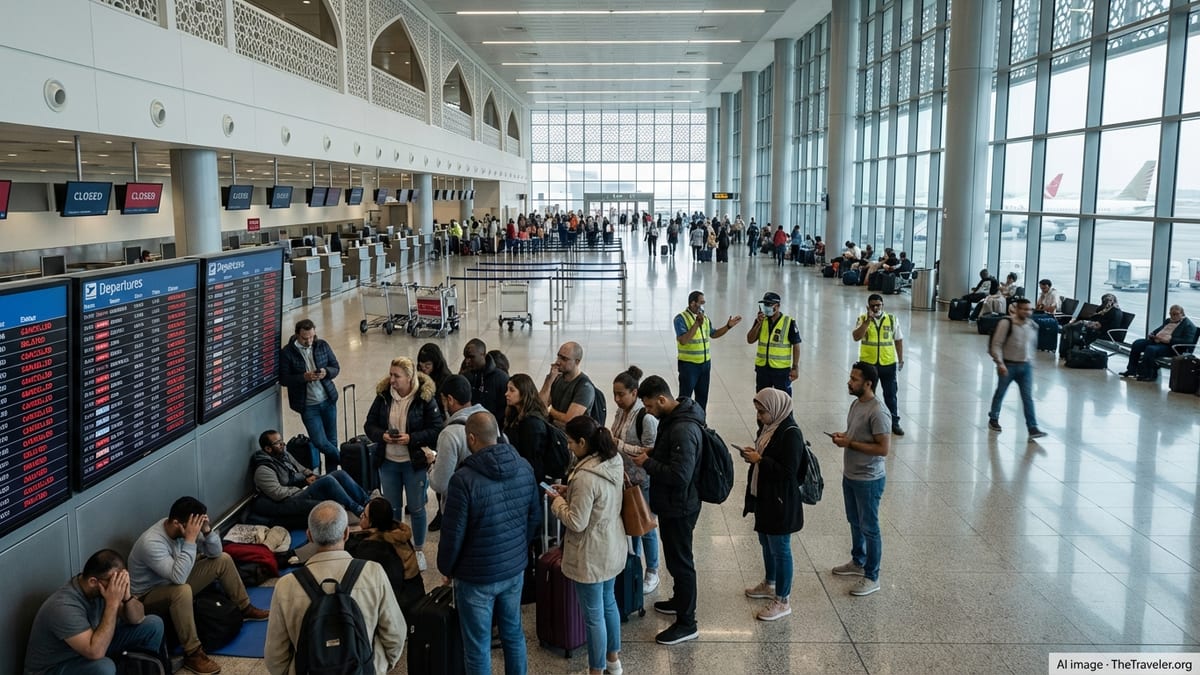
Storms, Ground Stops and Hours on Board
Published coverage from local television outlets indicates that a line of severe thunderstorms moving through the New York region on Wednesday, May 21, led to extended ground stops and taxi delays at Newark Liberty International Airport. United passengers describe boarding in the early evening, only to remain parked on a taxiway or inactive runway for hours as the weather system stalled departures.
On at least one flight bound for Chicago, passengers reported boarding around 5:40 p.m. and remaining on board into the early morning hours. Reports indicate that the aircraft never departed, with the flight ultimately canceled after roughly seven hours on the ground. Similar accounts from other United flights suggest multi hour waits on the tarmac across parts of United’s Newark schedule that night.
Local coverage describes the aircraft sitting away from the gate as thunderstorms triggered a series of cascading air traffic control restrictions at the busy hub. With arrival and departure slots constrained, aircraft already in line for takeoff were often held in place, leaving passengers to wait in their seats as crews sought updates from operations and air traffic control.
Passengers who spoke publicly after the ordeal said the atmosphere on board grew increasingly tense as the hours passed. Some individuals chose to abandon their itineraries altogether, arranging rental cars or alternative routings rather than risk additional delays once flights were rescheduled.
Federal Tarmac Rules Under the Microscope
The reported seven hour ground delay has drawn particular attention because U.S. tarmac delay rules set clear limits on how long airlines can keep passengers confined on a parked aircraft. Publicly available Department of Transportation guidance explains that for domestic flights, carriers must generally provide an opportunity to deplane if a tarmac delay reaches three hours, unless specific safety or airport operations constraints prevent a return to the gate.
The rules were introduced after a series of high profile incidents more than a decade ago in which travelers were trapped on aircraft for prolonged periods. Under those protections, airlines must also provide food, drinking water and access to lavatories after a delay reaches two hours, and they are expected to keep passengers informed with regular status updates.
In the Newark case, media reports note that United has pointed to weather as the primary driver of the disruption. Thunderstorms can create complex operational challenges, including ramp closures for lightning, temporary airport shutdowns and extended taxi queues as traffic restarts. In such situations, it can be difficult for airlines to secure a gate or remote stand to allow passengers to deplane, especially during peak evening bank periods at a constrained hub like Newark.
Passenger accounts, however, suggest confusion about how the tarmac rules were being applied in real time. Some travelers said they were unsure whether they had the option to return to the terminal or whether operational and safety considerations effectively overrode the three hour threshold.
United’s Response and Passenger Frustration
According to published reports, United Airlines has attributed the long delays to the severe weather system and resulting air traffic control restrictions, describing the events as part of a broader pattern of weather related disruption along the East Coast this week. The carrier has reportedly emphasized that safety remains its top priority and that operations teams had to balance passenger comfort with the need to keep aircraft and crews positioned for when conditions improved.
Travelers caught up in the delays expressed frustration with what they viewed as limited communication and a lack of clear options. Some passengers reported that updates were sporadic and that estimated departure times kept shifting later into the night before the flights were eventually canceled. Others said they struggled to rebook once they were back in the terminal, with alternative flights already heavily booked following a day of weather related disruptions.
Several travelers shared their experiences through local media and on social platforms, describing missed connections, lost workdays and unexpected hotel and ground transport expenses. For at least one Chicago bound passenger, the ordeal ended with a multi leg journey involving trains and rental cars after abandoning hopes of a same night flight from Newark.
The incident has quickly become a focal point for broader dissatisfaction with service reliability during peak travel periods at major hubs. Some travelers commenting online linked the Newark delays with other recent United incidents, arguing that the airline and airport system remain too fragile when storms or other disruptions hit.
Newark’s Congested Operations Back in Focus
Newark Liberty is widely regarded in aviation analyses as one of the more delay prone major airports in the United States, particularly during summer thunderstorm season and holiday peaks. Industry reports note that there is relatively limited spare runway and taxiway capacity, so small disruptions can ripple quickly through the schedule. When ground stops are imposed, long queues of aircraft can build up both at gates and on the taxiways.
Recent assessments of operations at Newark highlight the combination of dense traffic, airspace constraints in the New York region and construction related impacts on both runways and airport train links. Consumer rights groups and flight disruption trackers have already flagged a surge in delays and cancellations at Newark this week, with hundreds of flights reportedly affected on some days as storms passed through.
In that context, the extended United tarmac delays are seen by some analysts as a symptom of broader structural pressures rather than an isolated anomaly. When multiple waves of storms move through and arrival rates are reduced, airlines may opt to hold aircraft with boarded passengers in hopes of a departure window, rather than relinquish a slot and face further knock on delays once operations resume.
Critics counter that such decisions can leave travelers bearing the brunt of system fragility, especially when delays stretch well past the three hour mark and basic comforts on board become more difficult to maintain.
Questions About Passenger Rights and Future Scrutiny
The Newark incidents are likely to fuel renewed interest in passenger rights and airlines’ obligations during major disruptions. Consumer advocates frequently encourage travelers to document tarmac delays, retain boarding passes and request written explanations from carriers when delays exceed federal thresholds. Such records can be relevant if the Department of Transportation later reviews whether tarmac rules were properly observed.
Publicly available information from regulators outlines potential civil penalties for carriers that violate tarmac delay regulations, though weather and air traffic control constraints can be mitigating factors. It is not yet clear whether the Newark events will prompt any formal reviews. As of Friday, no public enforcement actions specific to this week’s delays had been announced.
The episode also arrives amid broader scrutiny of United’s Newark operations. Separate recent incidents involving United aircraft at or near the airport, including events under investigation by federal safety agencies, have kept the carrier’s performance at the New Jersey hub in the spotlight. Analysts note that while the causes of those events differ, they collectively contribute to a perception among some travelers that Newark remains a challenging and often stressful gateway.
For passengers who spent much of Wednesday evening and night confined to parked aircraft, the immediate concern is more practical. Many are now seeking refunds, travel credits or other forms of compensation within the framework of United’s customer policies and federal regulations, while weighing how this experience will shape their future travel choices through Newark.