


More news on this day
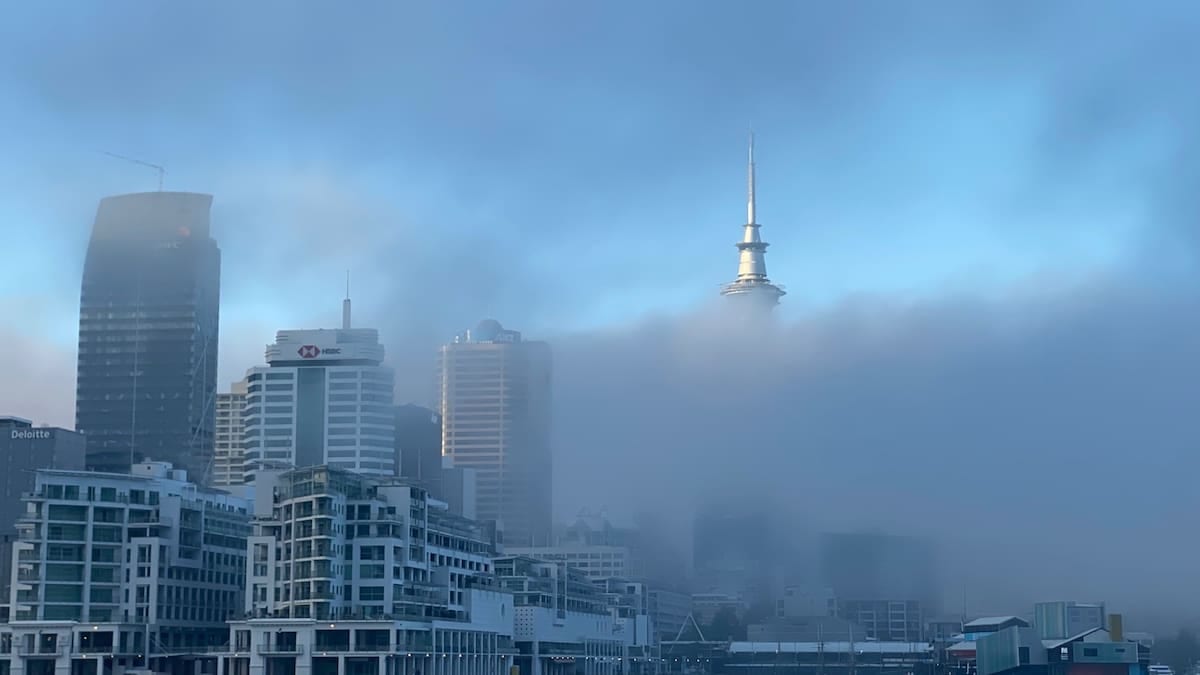
Thick winter fog has disrupted operations at Auckland Airport, with a blanket of low visibility causing multiple early-morning flight delays and cancellations and triggering a knock-on effect across New Zealand’s domestic network.
Get the latest news straight to your inbox!
Morning fog prompts delays and cancellations
Published coverage from New Zealand outlets indicates that a dense layer of fog settled over Auckland in the early hours, reducing visibility around the airport’s runways and taxiways. As the morning peak approached, airlines began holding aircraft on the ground and suspending some regional departures while conditions were assessed.
According to local news reports and airport flight boards, around a dozen domestic regional services were delayed and at least several flights were cancelled during the worst of the disruption. The impact was concentrated on smaller turboprop and regional jet operations, which are more restricted under low-visibility rules than larger mainline aircraft.
Publicly available flight information shows that the bulk of the disruption occurred in the early morning window when fog is typically at its thickest. As visibility gradually improved later in the morning, operations began to recover, but residual delays continued as airlines repositioned aircraft and crews.
Knock-on effects across the domestic network
Auckland Airport functions as the primary domestic hub for New Zealand, with regional routes feeding into onward connections across the country. When fog disrupts early departures and arrivals, the consequences can ripple well beyond the city itself, affecting travellers in regional centres such as Tauranga, Hamilton, Whangārei and Napier.
Travel and aviation data published in recent months shows that a typical day at Auckland involves close to a thousand aircraft movements. On disruption days, the cancellation rate can rise several times above normal, particularly when weather affects the morning bank of flights that underpins later services.
Reports from passenger forums and social media suggest that some travellers faced missed connections and extended rebooking times as airlines worked through backlogs. In some cases, aircraft that were due to operate onward sectors remained out of position after their initial legs were delayed or cancelled, forcing timetable changes well into the afternoon.
Fog a recurring winter challenge for Auckland
Meteorological information and previous seasons’ aviation performance data highlight that dense fog is a recurring winter hazard for Auckland. Cool overnight temperatures combined with relatively light winds can trap moisture near the surface, creating the kind of low cloud that sharply cuts airport visibility just as the morning schedule begins.
New Zealand transport statistics show that seasonal weather, including fog, regularly appears among the leading causes of delays and cancellations in the cooler months. In some recent winters, sustained fog events around Auckland have produced average delays of more than an hour on certain days and pushed cancellation rates well above typical levels.
While modern navigation and landing systems can allow some larger aircraft to operate in reduced visibility, operational rules, runway capacity and safety margins still limit how many flights can safely arrive and depart when fog is present. As a result, airlines frequently trim or reschedule services when forecasts point to particularly dense or persistent conditions.
Advice for affected travellers
Consumer guidance from New Zealand travel publications notes that fog related disruption is generally regarded as outside an airline’s control, which can limit the level of compensation available to passengers. However, travellers are typically entitled to be rebooked on the next available service, and many carriers outline additional support measures on their websites during major disruption.
Travel experts recommend that passengers flying during winter in and out of Auckland build in extra time for connections and keep a close eye on real time information provided by their airline. Mobile apps, text alerts and flight status pages can offer earlier notice of changing departure times or same day cancellations than airport departure boards alone.
Publicly available airport guidance also encourages travellers to remain at or near their departure gate once they have cleared security, as boarding times can shift quickly when weather conditions improve and airlines move to recover schedules. Those with flexible tickets or non essential travel may sometimes be able to move to later services on days when low visibility is forecast.
Broader pattern of weather related disruption
The latest fog affected morning comes after a series of recent weather related interruptions at Auckland and other New Zealand airports. National aviation performance reports for this year point to an uptick in delays linked to seasonal weather, including fog, heavy rain and crosswinds.
Industry analysis indicates that as air traffic volumes continue to grow, major airports can become more sensitive to temporary capacity constraints caused by weather. When visibility falls or runway operations are reduced, even for a few hours, the accumulated effect on aircraft rotations, crew rosters and connecting passengers can stretch across the rest of the day.
For now, the immediate fog restrictions at Auckland have eased, with publicly available airport information showing most services operating closer to schedule. However, with several weeks of winter still ahead, airlines and travellers alike are likely to remain alert to the prospect of further low visibility mornings disrupting New Zealand’s busiest air gateway.