


More news on this day
A person has died after being struck by a Norfolk Southern train and found on the railroad tracks, according to early reports that have drawn renewed attention to rail safety and the risks facing both workers and people near active lines.
Get the latest news straight to your inbox!
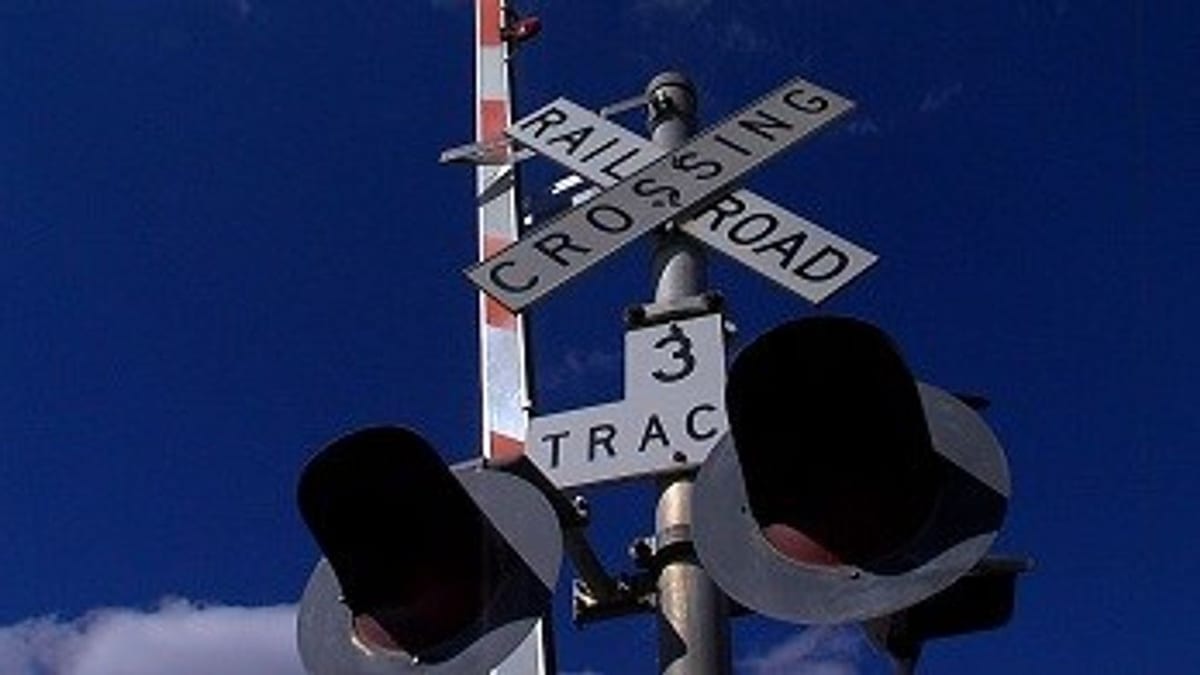
Initial reports describe fatal collision on active line
Publicly available information indicates that the victim was discovered on Norfolk Southern tracks following a collision involving an active train movement. Early summaries describe a person on or near the right of way who was struck by a moving train, with the impact resulting in fatal injuries at the scene.
Local dispatch logs and media coverage typically note that such incidents are treated as death investigations from the outset, with emergency responders first focused on securing the scene and confirming that no additional people were involved. Train traffic is usually halted in both directions for several hours while investigators document the area and crews assess the condition of the tracks and rail equipment.
In similar recent Norfolk Southern incidents, such as a March 2026 case in Ohio in which a person was struck and killed on the tracks, trains have remained stopped for extended periods while investigators reconstructed the sequence of events and documented signal status, visibility and train speed based on on-board data and witness accounts.
The identity of the person and specific location of the latest fatal collision are typically withheld until family members are notified, and until investigators can complete initial interviews and confirm the circumstances that led the individual to be on the tracks.
Investigators focus on position of victim and train operations
In cases where a person is found dead on Norfolk Southern tracks after a collision, investigators generally concentrate on several core questions: whether the individual was walking or lying on the tracks, whether they were a rail employee or a member of the public, and how much time train crews had to react.
Published federal and local reports from prior Norfolk Southern fatalities show a consistent pattern in how evidence is collected. On-board systems provide data on train speed, horn use and braking, while trackside cameras, if present, can help clarify the victim’s movements in the minutes before impact. Lighting, weather conditions and the presence of fencing or signage around the right of way are also evaluated to determine how visible the hazard was to both the train crew and the person on the tracks.
When incidents occur in yards or industrial areas, investigators review switching procedures, radio communications and track access rules for employees and contractors. A 2023 Norfolk Southern conductor fatality in Cleveland, later detailed in a federal report, highlighted how close-quarters movements, heavy equipment and limited sightlines can combine to create deadly risks even at relatively low speeds.
On open mainlines, attention typically turns to grade crossings, trespass points and nearby residential or commercial areas. Patterns seen in earlier Norfolk Southern collisions show that many non-employee victims reached the tracks by informal paths or gaps in fencing near neighborhoods, shopping areas or short-cut routes to schools and workplaces.
Broader concerns about worker and public safety on railroads
The death of a person found on Norfolk Southern tracks after a train collision comes amid ongoing national discussion about rail safety for both workers and the public. Federal data compiled in recent years shows that trespasser fatalities and employee injuries remain a persistent issue across the rail industry, despite new technology, training programs and enforcement campaigns.
Norfolk Southern incidents over the past several years have ranged from worker fatalities in yards to pedestrians struck at public crossings and people discovered on or near the tracks in urban areas. In one 2026 case described in local coverage from the Midwest, a Norfolk Southern conductor was killed after being hit by another train while working in a rail yard, underscoring how quickly routine movements can become life threatening.
Advocacy groups and some labor organizations continue to call for more robust physical barriers around busy rail corridors, better illumination at crossings and yards, and closer coordination between railroads, cities and first responders. They also emphasize education campaigns aimed at discouraging trespassing, noting that people often underestimate how quickly a train can approach and how difficult it is for crews to stop in time.
Travelers passing through affected regions frequently experience delays when such incidents occur, as lines are closed for investigations and track inspections. While these disruptions can be frustrating for passengers and freight customers, safety specialists note that thorough on-site reviews are seen as essential to identifying hazards and preventing future deaths.
Impact on train movements and nearby communities
When a person is killed on the tracks, the immediate impact is felt by communities along the line. Rail traffic on Norfolk Southern routes is commonly suspended in the area while officials document the scene, examine the train equipment and ensure that the track structure has not been compromised by the collision.
Passengers on nearby passenger services and residents living close to the line may notice stationary freight trains, blocked crossings and an increased presence of emergency vehicles. In previous incidents near Norfolk Southern mainlines, residents have reported prolonged horn use, idling locomotives and detoured road traffic as responders manage the scene and railroad managers adjust operating plans.
For the train crew involved, the emotional toll can be significant. Accident reviews from prior cases involving Norfolk Southern and other major railroads acknowledge that crew members often have no realistic opportunity to prevent a collision once a person is on the tracks, given train braking distances and reaction times. Even so, they may be placed on leave and offered counseling while internal and external reviews proceed.
Communities that experience repeated incidents sometimes push for additional safeguards such as upgraded crossing protection, fencing or better lighting. City and county planning efforts may incorporate rail corridors into broader safety strategies, particularly in neighborhoods where people routinely cross tracks on foot to access transit stops, workplaces or shopping areas.
Ongoing questions about prevention and infrastructure
As with other recent cases in which people have been struck and killed on Norfolk Southern lines, the latest death raises questions about how many of these incidents can realistically be prevented and what combination of infrastructure, enforcement and public outreach is most effective.
Transportation analysts often point to a mix of measures, including fencing off high-risk trespass locations, upgrading crossings with improved warning systems, and working with local governments to provide safer pedestrian routes that do not require walking along or over tracks. Some communities have also explored quieter zones where horn use is reduced, paired with stronger physical protections, to balance neighborhood concerns with safety.
Longer term, ongoing federal reviews of Norfolk Southern accidents and broader rail safety trends may influence regulatory changes and funding priorities. Reports examining prior collisions, yard fatalities and derailments have already prompted recommendations on training, communication procedures and equipment maintenance, with the goal of reducing both worker and public exposure to danger around trains.
For now, the person found dead on the Norfolk Southern tracks after the latest collision is part of a troubling pattern that continues to test the resilience of rail communities, the effectiveness of safety systems and the capacity of railroads to protect the people who work and live alongside their lines.