


More news on this day
Dense fog at Auckland Airport triggered a morning of disrupted travel for domestic and regional passengers, before improving visibility allowed low-visibility operating restrictions to be lifted and schedules to gradually recover.
Get the latest news straight to your inbox!
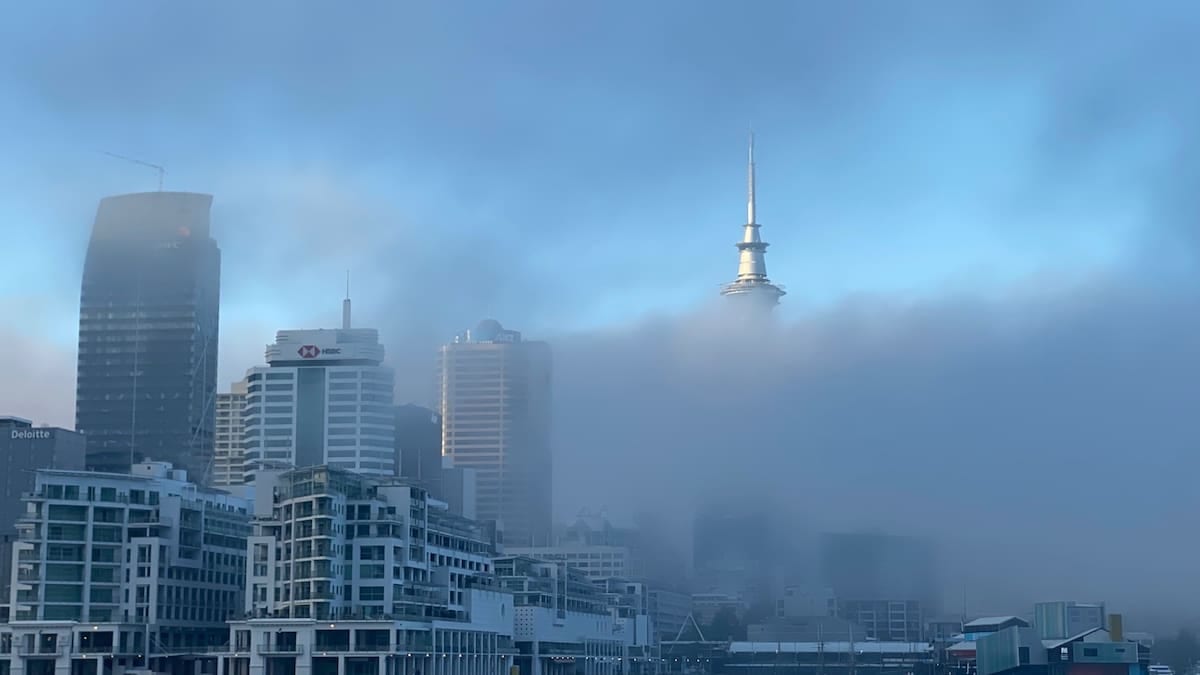
Morning fog blankets Auckland and halts regional traffic
Thick fog settled over parts of Auckland on the morning of June 13, sharply reducing visibility on the airfield and leading to significant disruption at New Zealand’s busiest airport. Publicly available flight-tracking data and local reports indicate that departures for smaller domestic and regional aircraft were the most affected, with a series of early-morning services delayed or cancelled while conditions remained below normal operating thresholds.
While larger jet services are generally able to operate in lower visibility when instrument landing systems are in use, available operational information suggests that turboprops and other smaller aircraft faced the strictest constraints. Travelers connecting to and from provincial centers reported extended waits in the terminal as airlines reassessed schedules in response to the changing conditions.
Social media posts from passengers and Auckland residents described extremely limited visibility on nearby motorways and around the airport precinct, with some estimating horizontal visibility at around 100 metres or less at times. Those on early flights spoke of boarding delays and rolling updates from airlines as the fog lingered longer than forecast into the later part of the morning peak.
Low-visibility procedures lifted as conditions improve
By late morning, conditions over the airfield had improved sufficiently for Auckland Airport to move away from its most restrictive low-visibility procedures. Publicly accessible aviation data showed an uptick in both arrivals and departures as flights that had been held on the ground or placed into holding patterns were progressively cleared.
The lifting of the tightest restrictions allowed airlines to restart a number of postponed domestic services and to operate additional sectors where possible to accommodate disrupted passengers. However, the morning backlog meant that knock-on effects were expected to be felt into the afternoon, particularly for travelers relying on tight connections.
Auckland Airport has long highlighted the role of advanced approach technology in reducing the impact of fog on major jet operations, but regional services remain more exposed when visibility drops sharply. Today’s events underlined that limitation, with the path to recovery only becoming clear once fog began to lift and horizontal and vertical visibility returned to safer margins.
Travelers face delays, rebookings and missed connections
The combination of cancellations, rolling delays and diversions across the morning created a challenging start to the day for many travelers. Passengers heading to business meetings, weekend getaways or onward international flights reported missed connections and last-minute itinerary changes as departure boards at the domestic terminal repeatedly updated.
Available airline information showed a cluster of cancellations on short-haul domestic routes, particularly those operated by turboprop aircraft. Some travelers were offered rebooking onto later services from Auckland, while others were rerouted through alternative airports where capacity allowed. Hotel stays and meal vouchers were reported in cases where same-day travel was no longer feasible.
For international passengers transiting through Auckland, the situation appeared mixed. Long-haul arrivals largely continued to land using precision instrument approaches, but delays on feeder services from regional New Zealand and nearby Pacific destinations meant that some onward journeys were disrupted. Travelers are being advised through public channels to check the latest status of their flights and allow extra time for check-in over the coming hours while operations normalize.
Weather-related disruption a recurring challenge
While today’s fog event was particularly disruptive for early risers, meteorological summaries for the Auckland region indicate that dense morning fog is a recurring winter and early-spring challenge. The airport averages several days each year when visibility falls to levels that trigger low-visibility procedures, typically around dawn when cooler overnight temperatures intersect with calm, humid air.
Industry material released in recent years notes that investments in instrument landing systems and revised approach procedures have reduced the impact of fog on larger aircraft. However, smaller regional fleets are constrained by aircraft equipment, route economics and safety margins, leading to a pattern where provincial travelers often bear the brunt of weather-related disruption.
Aviation observers point out that such episodes highlight the importance of flexible scheduling, adequate spare capacity and clear public communication when conditions deteriorate quickly. Today’s rapid shift from clear skies in other parts of the city to dense fog at the airfield, followed by a relatively swift improvement late in the morning, matched a pattern that many frequent flyers through Auckland have experienced in recent winters.
What passengers should expect for the rest of the day
With fog restrictions now lifted and visibility back at more typical levels, airlines are working through the accumulated delays, prioritizing services with the highest passenger loads or time-sensitive connections. Published schedules suggest that most mainline domestic and international flights are expected to operate, albeit with potential residual delays as aircraft and crews are repositioned.
Travel advice from airlines and airport communication channels consistently encourages passengers to check flight status before leaving for the airport, particularly if they were booked on morning services that were cancelled or substantially delayed. Those who have already checked in for later flights may still experience minor timetable adjustments as carriers fine-tune operations.
For the wider New Zealand network, the clearing of fog at Auckland removes a major bottleneck, but some regional airports reliant on connecting traffic may continue to see altered schedules into the evening. Travelers planning journeys over the coming days are being reminded through public updates that winter weather patterns can change quickly and that flexible planning remains advisable when flying through the country’s largest hub.