


More news on this day
In Greater Fort Lauderdale, a destination long associated with sunny beaches and cruise getaways, a quieter transformation is underway as the city positions itself as a polyglot hub where international visitors are greeted with inclusive branding, culturally fluent marketing and increasingly language‑agnostic infrastructure from airport gate to hotel check‑in.
Get the latest news straight to your inbox!
A Global Gateway Built on Air and Sea Connectivity
Fort Lauderdale’s evolution into a polyglot crossroads is anchored in the way its transportation network concentrates international traffic into a compact, easy to navigate footprint. Publicly available data shows that Port Everglades ranks among the world’s busiest cruise homeports, handling close to 4.8 million passengers in a recent fiscal year, with annual volumes typically above 3 million guests. Many of those passengers arrive or depart through Fort Lauderdale Hollywood International Airport, located only minutes from both the port and downtown, creating one of the tightest air sea connections in North America.
Industry statistics on Florida’s seaports indicate that Port Everglades is part of a statewide surge in cruise traffic that has rebounded strongly since the pandemic, reinforcing the port’s role as a key entry point for overseas visitors. Cruise guides describe the facility as a year round hub with modern terminals, including a Disney Cruise Line operation that began embarking guests from a dedicated terminal in late 2023, adding to the mix of international families and first time visitors discovering the region through themed sailings.
Port directories highlight investments in wayfinding and signage that rely heavily on color coding and icons, with materials emphasizing that the system is designed to be easy to decipher in any language. For travelers arriving with limited English proficiency, this visual navigation approach shortens the learning curve from curb to cabin and lowers stress during transfers between airport, hotels and ships.
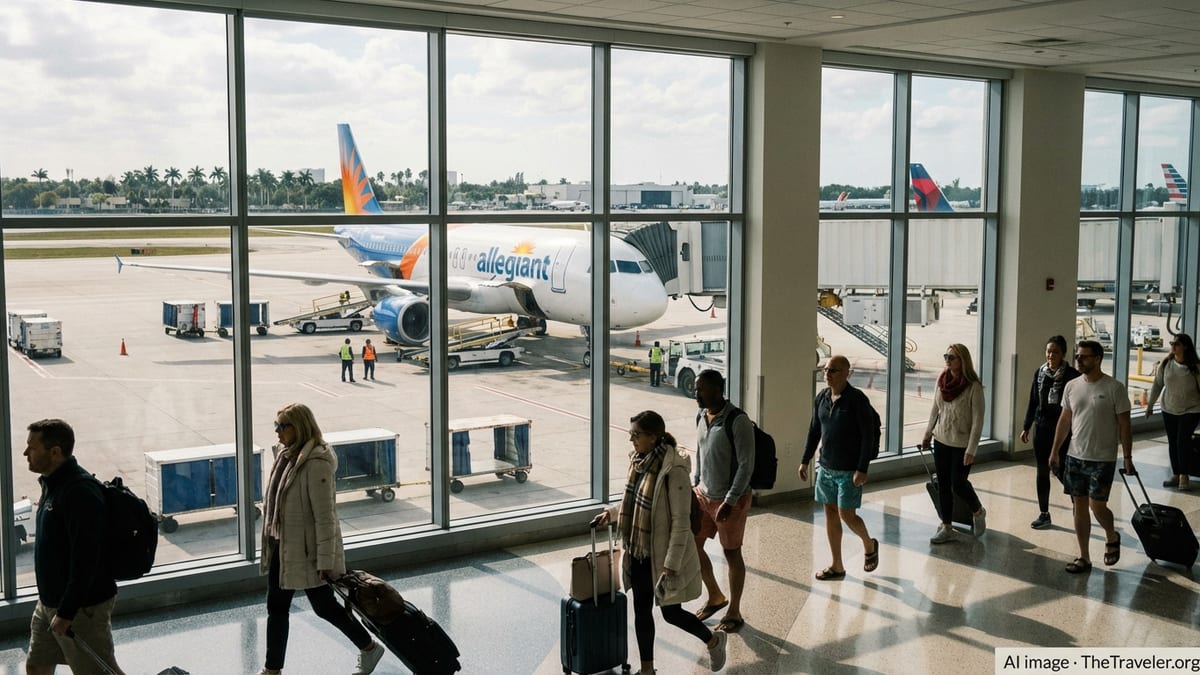
At Fort Lauderdale Hollywood International Airport, destination marketing materials emphasize short transfer times from arrival gates to the beaches, cruise terminals and convention center. The airport’s growth in international services, paired with Port Everglades’ cruise volume, is turning the Greater Fort Lauderdale area into a compact global gateway where visitors encounter a dense cluster of multilingual services within a small geographic area.
Inclusive Branding Speaks to a Multilingual World
Beyond infrastructure, Fort Lauderdale’s attempt to redefine the international guest experience is rooted in the voice it uses to talk to the world. Visit Lauderdale, the destination marketing organization for Broward County, has spent the past several years building a brand around the tagline “Everyone Under the Sun,” positioning Greater Fort Lauderdale as one of the world’s most welcoming destinations and emphasizing diversity, inclusivity and accessibility as core promises.
Case studies and campaign overviews presented to the travel trade describe “Everyone Under the Sun” as a response to a visitor base drawn from more than 170 countries and a local population that reflects a high concentration of different cultures and languages. Industry analyses attribute double digit gains in hotel revenue and airport arrivals in part to this repositioning, suggesting that the message of openness resonates strongly with travelers who prioritize destinations where they feel seen and respected.
Since 2024, Visit Lauderdale has layered new messaging on top of the original brand platform, including the “No End to the Rainbows” social and digital campaign and a global inclusive tourism initiative unveiled in early 2026. Coverage of these efforts notes that they lean heavily into visual storytelling rather than dense copy, using imagery, symbols and color palettes that travel easily across languages and emphasize the region’s commitment to LGBTQ+ visitors, families and groups of friends.
Destination marketing presentations circulated to meeting and event planners further propose that Fort Lauderdale is evolving its creative palette to be bolder and more playful, with typography and graphics inspired by the city’s varied personalities and cultures. The intent, according to these materials, is to elevate “Everyone Under the Sun” from a slogan into an overarching brand promise that communicates to global audiences that the destination is a safe and welcoming space for both leisure and business travel.
Designing an Experience that Works Beyond Words
As Fort Lauderdale courts visitors from an expanding list of origin markets, the way the city designs physical spaces has taken on new relevance for multilingual and non English speaking travelers. Port Everglades’ recent facilities guide draws attention to refreshed wayfinding that combines strong color bands, distinct terminal identities and universal icons. The goal, the document explains, is to guide guests through parking garages, security checkpoints and boarding areas using visual cues that function regardless of a traveler’s native language.
Similar thinking is reflected in the destination’s broader visitor experience. Travel trade materials emphasize Greater Fort Lauderdale’s network of water taxis, bright branded buses and clearly signposted shuttle services connecting the airport, port, convention center and beachfront districts. By leaning on consistent icons and color schemes across different transport modes, the city reduces reliance on written instructions and creates a kind of visual lingua franca for short stay visitors who may only be in town for a pre or post cruise night.
Hotels, restaurants and attractions in key visitor corridors have responded by increasing the availability of multilingual information and resources. Industry reports and local business profiles describe properties that now offer check in materials, menus and digital guides in multiple languages, or that rely on QR code based access to translated content that can be updated as new markets emerge. In practice, this means a family arriving from South America or Europe can often navigate dining, transportation and basic services on their own devices in their preferred language.
This design led approach does not eliminate the need for human interaction, but it does shift the burden of communication away from ad hoc translation toward systems that anticipate where confusion could arise. For international visitors navigating unfamiliar tipping customs, transit options or beach regulations, the presence of clear visuals and multilingual touchpoints can transform what might have been a stressful arrival into a smoother, more confident start to a trip.
Cultural Fluency as a Competitive Advantage
Greater Fort Lauderdale’s embrace of cultural and linguistic diversity is also visible in how it positions its neighborhoods and events to overseas audiences. Destination profiles highlight the region’s multicultural festivals, Caribbean and Latin American heritage, and a dining scene that spans more than 4,000 eateries. This breadth allows the city to market itself as a place where international visitors can find familiar flavors alongside local specialties, a powerful draw for travelers who prioritize food as an expression of culture.
Industry case studies have noted that Fort Lauderdale is frequently recognized as one of the United States’ leading destinations for LGBTQ+ visitors, with a long history of welcoming this segment and a high proportion of same sex couple households in the region. Inclusive campaigns tie that reputation to a broader narrative about openness to different lifestyles and backgrounds, which in turn signals to international travelers that differences in language, identity or family structure are more likely to be embraced than questioned.
Tourism strategy documents point to meetings, incentives, conferences and events as another area where cultural fluency can differentiate the destination. By signaling clearly that Greater Fort Lauderdale is a safe, inclusive space for global business gatherings, Visit Lauderdale aims to attract international conferences and trade shows whose delegates often come from a wide range of linguistic and cultural contexts. The presence of a major convention center minutes from both the airport and cruise port adds a logistical advantage that pairs naturally with this positioning.
For local businesses, this orientation toward global guests has practical implications. Hoteliers, restaurateurs and tour operators are under increasing pressure to train staff in cross cultural awareness, expand language capabilities and adapt products to meet the expectations of visitors from emerging source markets. Those that succeed stand to benefit from repeat business and word of mouth recommendations carried back to communities abroad, reinforcing the city’s reputation as a place where international travelers feel understood.
Competing in a Crowded South Florida Landscape
Fort Lauderdale’s effort to redefine the international guest experience is taking place within a highly competitive regional tourism market. Nearby Miami International Airport ranks among the top U.S. gateways for international passenger traffic, while PortMiami is often described as the world’s busiest cruise port. Against that backdrop, Greater Fort Lauderdale has chosen to focus on a blend of convenience, inclusivity and polyglot friendly design rather than sheer scale.
Recent reports on tourism performance in South Florida have highlighted robust visitor spending and continued growth in both air travel and cruise passenger volumes. Within that environment, Fort Lauderdale’s ability to convert transit passengers into overnight guests depends in part on how quickly and comfortably visitors from abroad can orient themselves. Short transfer times from plane to beach or ship, coupled with visual wayfinding and multilingual digital tools, help the destination compete for international travelers’ limited time and attention.
Marketing analyses suggest that today’s travelers, especially younger and more globally mobile segments, increasingly weigh values such as inclusivity and cultural openness alongside price and weather when choosing where to go. By placing those values at the center of its campaigns and backing them with tangible improvements in the on the ground experience, Fort Lauderdale is attempting to carve out a distinctive niche in the crowded South Florida tourism map.
If current trends in cruise deployment, international airlift and global travel demand continue, Greater Fort Lauderdale’s experiment with building a polyglot, design forward welcome may offer a template for other mid sized gateways looking to turn transient foot traffic into deeper, longer lasting connections with visitors from around the world.