


More news on this day
France has joined a rapidly expanding roster of countries investing billions in new and refreshed airline brands as resurgent travel demand drives record profits, ambitious fleet orders and a race to capture premium and low-cost passengers from North America to Southeast Asia.
Get the latest news straight to your inbox!
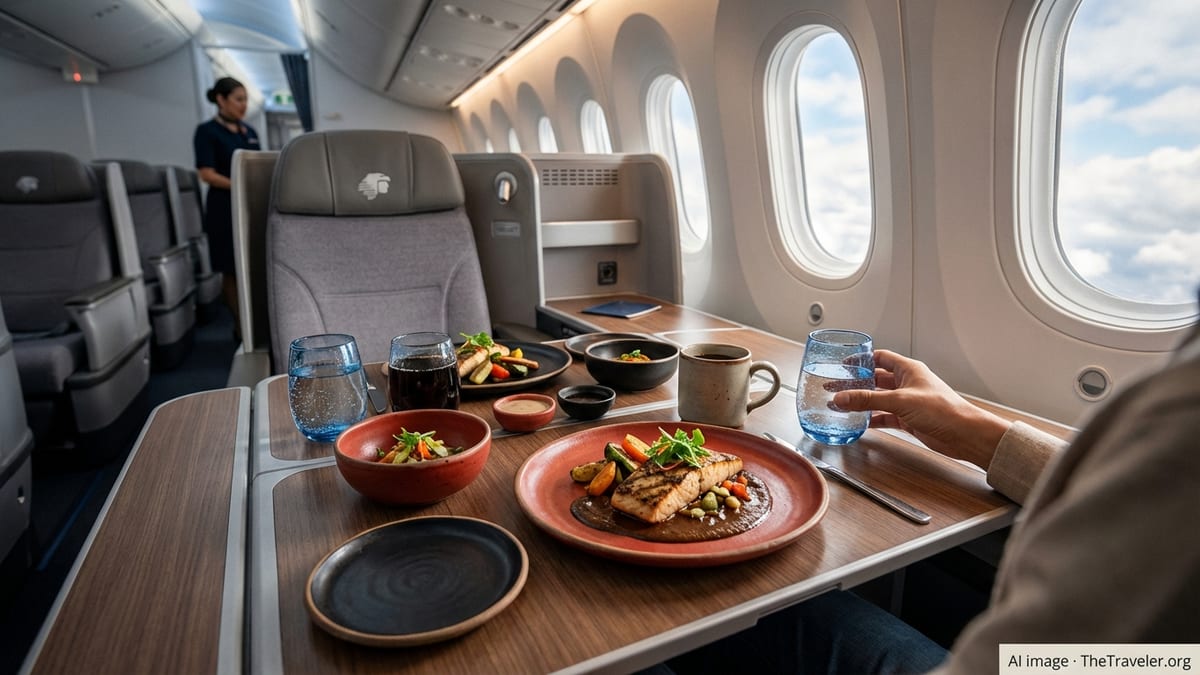
France Steps Up as Global Airline Brands Proliferate
Recent activity in France underscores how national aviation strategies are being rewritten around stronger brands and modern fleets. French carriers are pursuing new long haul and leisure-focused operations, expanding partnerships and refreshing cabins, as publicly available information shows a concerted push to defend market share against Gulf, Asian and North American rivals. The focus is on higher yielding routes, improved onboard products and closer integration with rail, all intended to keep France competitive as a global hub.
Analysts note that France’s stepped-up investment places it firmly within a broader international pattern in which governments and airline groups are treating brands as strategic assets rather than just transport utilities. This includes renewed emphasis on premium cabins, differentiated low-cost offerings and loyalty programs that tie air travel into wider tourism and retail ecosystems. The result is a more crowded and competitive landscape in which brand identity and network reach are central to long term growth.
France’s moves also reflect a recognition that the next phase of aviation recovery will be driven less by simple capacity restoration and more by capturing high-value demand. That demand is increasingly shaped by flexible work patterns, pent up long haul leisure travel and corporate efforts to reconnect far flung operations. In this environment, network breadth and brand perception are becoming as important as pricing.
Turkey, Qatar and the United States Lead a New Investment Cycle
Turkey has emerged as one of the most aggressive markets in this new airline brand boom, with both full service and low cost players expanding fleets and fine tuning their positioning. Industry reports highlight how Turkish low cost carriers are ordering additional Airbus A321neo aircraft and maintaining some of the youngest fleets in Europe as they chase growth across Europe, the Middle East and Central Asia. Capacity additions through the mid 2020s are intended to cement Istanbul and other Turkish airports as major transfer points between East and West.
At the same time, Qatar is leveraging robust travel demand to support sustained brand and network investment. Publicly available financial results show Qatar Airways generating multi-billion dollar revenues and strong profits in its 2023/24 financial year, with passenger numbers rising sharply compared with the previous year. The Gulf carrier’s strategy combines a premium brand image with dense global connectivity, reinforcing its status as a benchmark for long haul service standards and a key competitor to European and Asian network airlines.
In the United States, the post pandemic rebound has translated into large scale fleet renewal and significant spending on airport lounges, digital platforms and co branded credit cards. Major American carriers are redirecting cash flows into new generation aircraft orders and retrofits that emphasize premium economy and high density narrowbodies for domestic and transcontinental markets. According to airline and industry filings, this capital cycle easily runs into the tens of billions of dollars, underlining the scale of the current investment wave.
Asia Pacific’s Brand Arms Race: Vietnam, Singapore and Qatar Partnerships
In the Asia Pacific region, Vietnam and Singapore are at the forefront of a rapidly intensifying brand contest. Vietnamese carriers have been expanding international services and placing substantial aircraft orders to tap both outbound tourism and inbound investment-related travel. Reports from regional aviation analysts describe aggressive growth into Northeast Asia, Europe and Australia, with Vietnamese airlines seeking to build hubs that can compete with more established Southeast Asian gateways.
Singapore, meanwhile, continues to lean heavily on its reputation for reliability and service quality while pursuing fleet modernization and new cabin products. Public disclosures by the Singaporean flag carrier and its low cost affiliates show a continued shift toward fuel efficient aircraft types and enhanced premium cabins, along with digital innovations aimed at smoothing the end to end journey. The airline group’s strategy emphasizes brand consistency across full service and budget segments so that it can cater to both price sensitive and high yield travelers.
This regional brand competition is increasingly interconnected with Gulf and European players through alliances and strategic partnerships. Cooperation agreements between Middle Eastern startups such as Riyadh Air and established groups like Air France KLM and Singapore Airlines, described in recent press releases and industry coverage, signal a move toward network sharing that can boost visibility for newer brands while reinforcing the global footprints of their partners. These arrangements further blur traditional geographic boundaries in the airline business.
Canada and Qatar Signal the Scale of the Billion-Dollar Boom
Canada’s airline sector offers another lens on how investment is reshaping aviation markets. Major Canadian carriers have announced multi year fleet renewal programs centered on new generation narrowbody and widebody jets, reflecting both environmental commitments and a desire to lower operating costs. Industry reporting highlights order books worth several billion dollars, with deliveries stretching well into the next decade. These commitments indicate confidence that demand on transborder and transatlantic routes will remain strong.
Qatar’s financial performance provides one of the clearest examples of how robust travel demand is converting directly into brand and network expansion capacity. Published figures show Qatar Airways Group generating net profits in the range of billions of Qatari riyals, with revenues climbing and passenger numbers rising by double digit percentages year on year. The carrier’s management has framed these results as a platform for continued fleet growth, product upgrades and expanded sponsorship and marketing activities that keep the brand highly visible worldwide.
The scale of this investment cycle is further evidenced by new entrants such as Riyadh Air in Saudi Arabia, which reports indicate is backed by a multibillion dollar funding commitment and plans to launch operations in 2025 with a large narrowbody and widebody order book. Such projects underline how governments and investors are willing to place very large bets on aviation even as the sector navigates fuel price volatility, geopolitical risks and environmental scrutiny.
Malaysia Airlines’ Remarkable Turnaround Highlights Southeast Asian Momentum
Malaysia Airlines illustrates how carriers that once struggled are now capitalizing on travel demand to stage significant turnarounds. According to financial disclosures summarized by regional business media, Malaysia Aviation Group recorded its first full year net profit in nearly a decade for 2023, supported by a surge in premium traffic and higher international capacity. Operating profit for the main airline rose sharply compared with 2022, lifting margins and enabling the group to pay down debt and reinvest in its fleet.
Further reporting in 2025 indicates that Malaysia Airlines remained profitable in 2024, even as it navigated maintenance related disruptions that forced a temporary capacity pullback. The airline’s ability to stay in the black during a challenging operational year is being viewed by analysts as evidence of a more resilient business model, centered on disciplined capacity management, stronger yields and a clearer focus on core markets in Asia and the Middle East.
Malaysia Airlines is also moving ahead with a fleet modernization plan that includes additional Boeing 737 8 aircraft and the search for extra Airbus A350 widebodies to meet long haul demand. Publicly available information on the carrier’s fleet strategy shows an emphasis on fuel efficient types and a reconfiguration of premium cabins to align with new A330neo deliveries later this decade. These steps are intended to support both network growth and a refreshed brand image after years of restructuring.
The carrier’s trajectory encapsulates the broader Southeast Asian story, in which full service and low cost airlines alike are racing to secure aircraft, airport slots and customer loyalty ahead of competitors. As France, Turkey, the United States, Qatar, Vietnam, Canada, Singapore and Malaysia all deepen their commitments to aviation, the result is a global brand boom that is reshaping where and how travelers fly, and raising the stakes for airlines that lag behind in investment or innovation.