


More news on this day
France’s record-breaking June 2026 heatwave has pushed temperatures above 40 degrees Celsius in several regions, triggering red-level alerts, straining infrastructure and prompting renewed warnings for travelers heading to or already in the country.
Get the latest news straight to your inbox!
Record Temperatures and Wide-Ranging Alerts Across France
The current heatwave has been described in publicly available coverage as one of the most intense ever recorded in France, with national temperature indicators reaching unprecedented highs in late June 2026. Large parts of the country have seen several consecutive days above 35 degrees Celsius, with inland and southern areas exceeding 40 degrees, including popular tourism regions and major cities.
Météo-France’s vigilance map has shown dozens of departments under orange and red alerts during the peak of the episode, signaling an elevated risk to health and daily activities. Red alerts are reserved for exceptional events and cover tens of millions of residents and visitors when activated. Government communications outline a national heatwave plan that runs each year from June to mid-September, mobilizing health and civil protection measures when alerts reach the upper levels.
Public health agencies report a sharp rise in heat-related emergency visits and excess mortality compared with seasonal norms. Reports also point to increased drownings as people seek relief in rivers, lakes and along the coast, adding another layer of risk for travelers who may be less familiar with local water conditions and safety rules.
Travelers arriving in the coming days can expect conditions to remain hot even if peak temperatures ease in some regions. Nighttime temperatures, particularly in large cities, have stayed high enough to limit natural cooling, which can be challenging for visitors staying in older buildings or budget accommodation with limited air conditioning.
Transport Disruption: Flights, Rail and Urban Networks
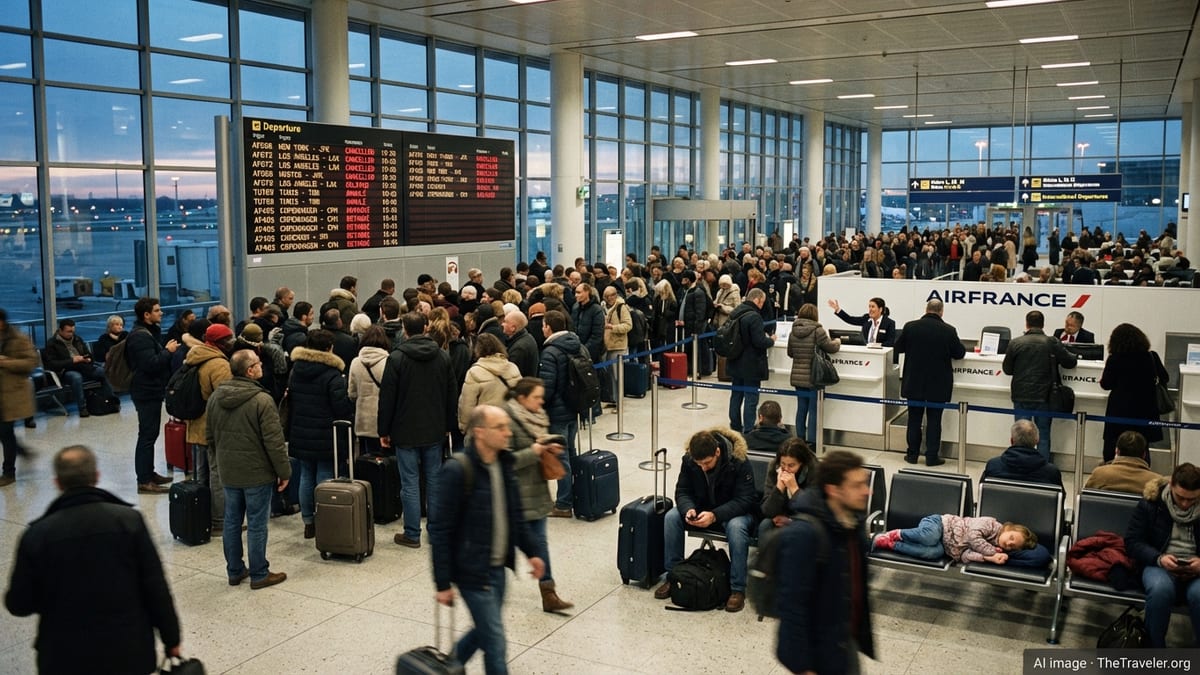
While France’s main international airports remain open, the heatwave has led to pockets of disruption that visitors should monitor closely. High temperatures can affect aircraft performance, scheduled maintenance windows and ground handling, particularly during afternoon peaks when tarmac surfaces are hottest. Recent days have seen reports of delayed departures and lengthened turnaround times, and airlines have advised passengers to check flight status before leaving for the airport.
Rail services have also been under pressure. Coverage of the wider European heatwave notes that operators sometimes reduce train speeds when tracks risk warping in extreme heat. On Franco-British routes and some domestic lines, this has translated into cancellations and slower journeys, with operators adjusting timetables in response to the conditions. Travelers connecting through Paris or heading to coastal and mountain resorts should build additional time into itineraries and be prepared for last-minute platform changes.
Urban public transport is feeling the strain as well. In Paris and major regional cities, sections of metro and tram networks can become extremely hot during peak hours, especially in older tunnels and carriages that lack air conditioning. Local media and transport bulletins have advised passengers to carry water, avoid crowding where possible and shift nonessential travel to cooler morning and evening periods.
Road travel may also be affected, with the combination of heat-stressed pavement, increased breakdowns and localized power interruptions adding to seasonal congestion. Rental car users are encouraged to confirm that vehicles are equipped with fully functioning air conditioning and to avoid leaving passengers or pets in parked cars even for short periods.
Closures and Adjusted Hours at Tourist Attractions
The intense heat has prompted many of France’s best-known tourist sites to adjust operations. According to published coverage, high-profile attractions in Paris and other major destinations have been bringing forward closing times or suspending outdoor segments of visits during the hottest parts of the day. Museums and monuments that normally stay open into the evening have temporarily shifted to earlier schedules or limited admission windows.
Outdoor landmarks, historic gardens and theme parks have also modified programming. Some locations have cut back live performances, parades or guided tours, particularly where sun exposure is prolonged and shade is limited. Others have expanded shaded rest areas and water refill points, but capacity can be tight at peak times, creating long queues in direct sun for visitors who arrive in the afternoon.
Coastal and river destinations, often perceived as natural escape routes from urban heat, face their own challenges. Reports highlight overloaded beaches, restrictions on certain water sports during the hottest hours and increased lifeguard activity as swimmers underestimate currents or overestimate their own tolerance to heat and exertion. In inland regions along major rivers, high water temperatures have environmental consequences that may lead to temporary bans on some activities.
Travelers should check opening hours on the day of visit and not assume that standard high-season schedules are in force. Hotels and tour operators have been updating guests via email, apps and lobby notices, but independent travelers who plan day by day should verify arrangements each morning and consider prioritizing indoor, climate-controlled attractions.
Practical Safety Advice for Travelers in the Heatwave
French public health advisories emphasize a series of practical steps that are equally relevant to visitors. Travelers are encouraged to drink water regularly without waiting to feel thirsty, limit alcohol intake, and favor light, frequent meals. Simple measures such as wearing loose, light-colored clothing, a wide-brimmed hat and high-factor sunscreen can significantly reduce heat stress during sightseeing.
Planning the daily schedule around the heat is essential. Visitors are advised to prioritize outdoor activities and long walks in the early morning and late evening, while reserving midday hours for rest in air-conditioned environments such as hotels, major museums or shopping centers. A short rest period in the afternoon can help the body cope with nights that remain unusually warm, particularly in top-floor or street-facing rooms.
Public information campaigns in France stress the importance of paying particular attention to children, older adults, pregnant travelers and those with chronic health conditions. Tourists in these categories may wish to consult a healthcare professional before travel or on arrival, especially if staying in areas under prolonged orange or red alerts. Travel insurance policies that include medical support can also be helpful if symptoms such as dizziness, nausea, confusion or a rapid pulse appear.
For those staying in rentals or budget hotels without air conditioning, low-tech strategies include closing shutters during the day, ventilating only when outdoor temperatures drop, using fans to promote airflow and taking cool (not icy) showers. Keeping a bottle of water in a daypack, identifying the nearest pharmacy and noting emergency numbers on arrival are small steps that can make a meaningful difference during a severe heat event.
How to Plan or Adjust Trips to France During the 2026 Heatwave
With the heatwave coinciding with the start of the European summer travel season, many visitors are weighing whether to postpone, reroute or adapt their plans. Travel industry reports indicate that some vacationers have already shifted from southern regions toward cooler Atlantic and Channel coasts or neighboring countries with lower forecast temperatures. Others are shortening stays in the hottest inland destinations while maintaining city breaks that offer good access to air-conditioned spaces.
Before departure, travelers are advised to monitor Météo-France vigilance updates for their destination departments, along with airline and rail alerts for possible timetable changes. Flexible bookings and refundable rates can provide useful options if red alerts are extended or expanded. Those with tight schedules, such as connecting long-haul flights through Paris, may wish to allow longer layovers to absorb possible delays linked to heat-related disruption.
On the ground, it can be sensible to reduce ambitious multi-stop itineraries and focus on fewer bases with good infrastructure. Cities with extensive public transport and a dense network of indoor attractions are often easier to manage than remote rural stays during extreme heat. Travelers planning hiking, cycling or wine-region excursions should reassess routes and timing, shifting strenuous activity to cooler hours or alternative dates.
Even as some forecasts suggest that the current peak may begin to ease in the coming days, scientific assessments of the 2026 European heatwave underline that such episodes are becoming more frequent and intense. For visitors to France, treating high heat as a core logistical and safety factor, on par with transport strikes or winter storms, is now an essential part of trip planning.