


More news on this day
France’s peak summer tourism season is unfolding under heightened scrutiny as updated travel advisories spotlight a combination of security vigilance and an intense wildfire season affecting popular regions across the country.
Get the latest news straight to your inbox!
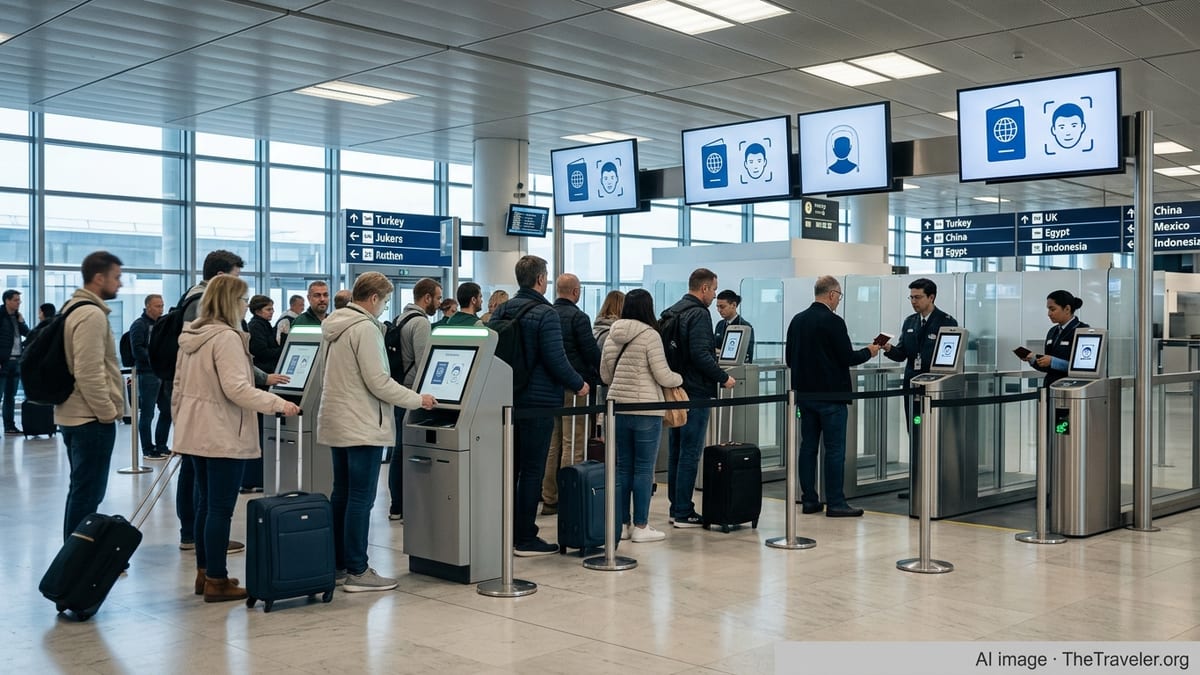
Heightened Security Climate Shapes Summer Travel
Recent advisories for France emphasize a persistent risk environment linked to terrorism and public unrest, particularly in major cities and crowded tourist locations. Publicly available information from foreign ministries notes that security bulletins for France continue to urge travelers to stay alert in busy areas, including transit hubs, cultural landmarks, and major events.
The current advisory level from several governments continues to recommend increased caution rather than widespread avoidance, reflecting a balance between ongoing vigilance and the country’s capacity to manage large visitor flows. Guidance commonly highlights the possibility of incidents occurring with little warning, alongside the presence of visible policing and security checks at high-profile sites.
Travelers are being reminded that France operates a national anti-terror alert framework, known as Vigipirate, which can be adjusted in response to evolving threats. Recent updates to this framework for 2026 outline specific efforts to secure tourist zones and high-traffic public spaces during the busy summer and end-of-year holidays, indicating a structured, long-term approach to risk management.
Consular information also underlines the importance for visitors to monitor local news, follow instructions disseminated via official alert systems and mobile notifications, and allow extra time for security screening at transport interchanges, festivals, and sports fixtures.
Wildfire Season Intensifies in Southern and Western Regions
The other major focus of current travel advisories is the expanding wildfire threat, especially in southern France and parts of the Atlantic coast. A hotter and drier than usual summer in 2026 has contributed to parched vegetation and elevated fire danger across Mediterranean and forested areas, increasing the likelihood of sudden flare-ups near holiday destinations.
Recent coverage from European media describes large wildfires in southern departments that have forced thousands of residents and visitors to leave campsites and holiday parks as a precaution. In regions such as Provence and areas near Bordeaux, firefighters have been working to contain extensive blazes that have burned tens of thousands of hectares, with smoke and ash occasionally affecting nearby towns and transport corridors.
Authorities have reiterated long-standing restrictions on activities that can spark fires, such as open flames in forested zones and certain agricultural practices during periods of extreme risk. Travelers arriving by car are being encouraged to check local prefecture notices, as some rural roads, hiking paths, and forested recreation areas can close at short notice when the fire risk index peaks.
Tourism operators in affected regions are adapting by updating cancellation policies, relocating guests where possible, and adjusting outdoor programming. Visitors are being advised to maintain flexible itineraries and to keep accommodation providers informed of their movements, particularly when touring by motorhome or staying in nature-focused properties.
Government Preparedness and Emergency Tools for Visitors
In response to both security and climate-related risks, the French government has reinforced a series of preparedness measures that also affect short-term visitors. The Interior Ministry’s communications for 2026 highlight a continued focus on rapid information sharing through systems such as FR-Alert, which can push geo-targeted notifications to mobile phones during emergencies, including major fires or security incidents.
Parallel efforts from the Ministry of Culture outline new safety guidance for museums, heritage sites, and monuments across metropolitan France. These measures aim to strengthen access control, crowd management, and coordination with local security services in venues that attract large numbers of domestic and international tourists.
International advisories point out that travelers can benefit from enrolling in their own country’s alert or registration programs, which provide updates about evolving conditions in France and guidance in the event of disruptions. Such services often complement local communication channels by summarizing key developments in travelers’ native languages.
Experts cited in recent analyses of Europe’s 2026 summer conditions note that extreme weather and security trends are converging to create more complex risk profiles for popular destinations. In practice, this has translated into an emphasis on advance planning, real-time situational awareness, and the ability to adjust day-to-day activities when conditions change.
Practical Considerations for Tourists Planning Trips to France
For travelers considering France in the coming weeks, current advisories do not suggest abandoning plans outright but instead stress preparation and caution. Visitors are encouraged to review their routes, particularly if they include wildfire-prone regions such as parts of the Mediterranean coast, Corsica, or heavily forested inland areas, and to identify alternative options should closures or evacuations occur.
Car hire companies and rail operators can experience disruptions when fires approach major highways or rail lines, leading to delays or rerouting. Travelers are being advised to monitor operator updates on service status, keep fuel tanks topped up on long drives through rural areas, and store essential items and documents in an easily accessible day bag in case of rapid evacuation from accommodations.
Health and travel insurance policies are another focal point. Advisories recommend confirming that coverage extends to disruptions caused by natural disasters and civil unrest, as well as medical care in the event of smoke-related respiratory issues or injuries. Some insurers now specifically address wildfire impacts on itineraries, including lost nights of accommodation or emergency relocation costs.
Urban visitors to Paris, Lyon, Marseille, and other major cities are meanwhile encouraged to be aware of large public gatherings, demonstrations, and high-profile events that can draw significant crowds and may trigger short-term transport rerouting or heightened screening. Avoiding unnecessary time in congested areas, particularly at night, and keeping valuables discreet are recurring themes in current guidance.
Balancing Caution With France’s Enduring Travel Appeal
Despite the layered risks highlighted in recent advisories, France remains one of the world’s most visited countries, with cultural institutions, coastal resorts, and wine regions reporting robust demand this season. Many travel analysts describe a resilient tourism sector that has grown increasingly accustomed to operating within a framework of elevated vigilance and climate volatility.
Hotels, tour companies, and event organizers across the country have expanded contingency planning in recent years, including evacuation drills, updated fire safety standards, and closer collaboration with local authorities on guest communication protocols. These steps are designed to ensure that, when incidents occur, visitors receive prompt guidance on sheltering in place, relocation routes, or schedule changes.
Current reporting suggests that most tourists continue to experience their trips without major disruption, particularly those who take basic precautions such as registering for alerts, keeping abreast of local conditions, and respecting temporary closures around forests and high-risk zones. In many cases, wildfire activity is geographically concentrated, leaving nearby cities, beaches, and attractions operating normally.
As the 2026 summer season progresses, travelers to France are being encouraged to pair realistic risk awareness with the flexibility to adapt plans if needed. With careful preparation and attention to evolving advice, visitors can continue to enjoy the country’s landmarks, landscapes, and festivals while navigating an environment shaped by both security concerns and a challenging wildfire season.