


More news on this day
Thick overnight fog and a fresh Met Office yellow warning are combining to raise the risk of disruption for travellers across large parts of England and Wales this Sunday night into Monday morning.
Get the latest news straight to your inbox!
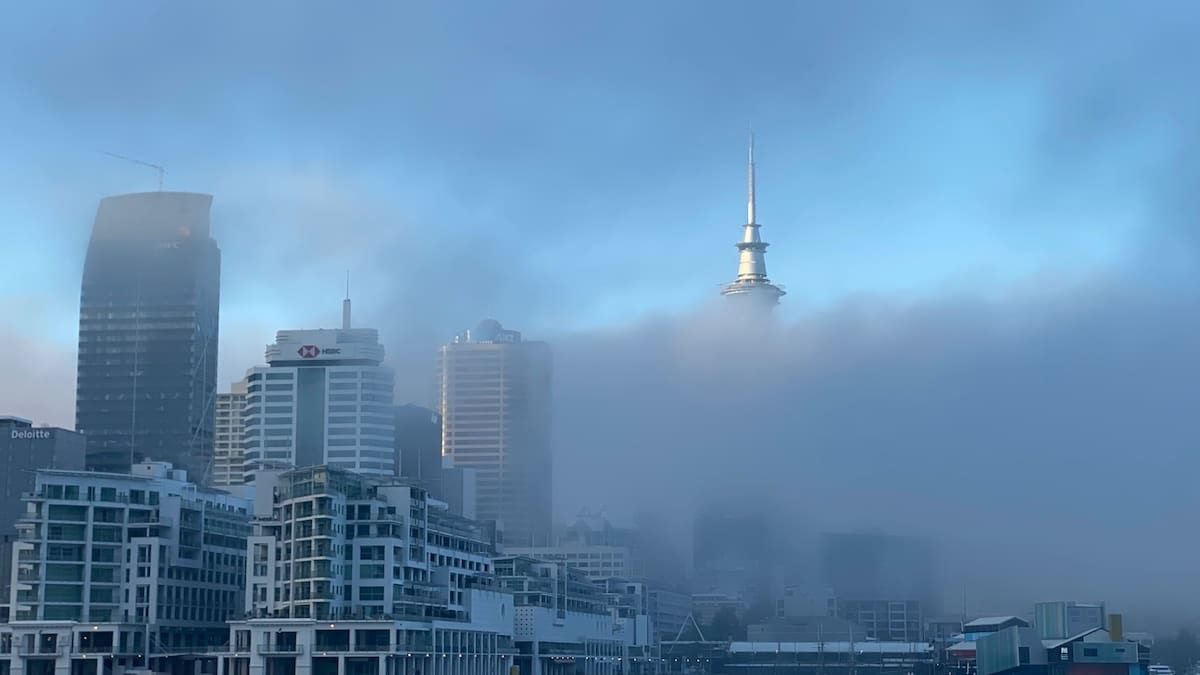
Yellow fog warning in place through Monday morning
The Met Office has issued a yellow weather warning for fog covering wide stretches of southern and central England, the Midlands and parts of Wales from 18:00 on Sunday 8 November until 11:00 on Monday 9 November 2026. The advisory follows an earlier Sunday morning alert and highlights a renewed spell of dense fog forming overnight, with visibility in some areas expected to fall below 50 to 100 metres.
According to publicly available information, the warning corridor runs from around York in northern England southwards towards Bath, taking in much of the South East, eastern England and the Midlands. Localised alerts have also been issued for areas such as Milton Keynes and parts of northeast Wales, where conditions are expected to be particularly slow to improve.
The Met Office describes the current pattern of light winds, clear skies and relatively moist air as a “perfect recipe” for fog development, with patches forecast to become more extensive and persistent in the hours before the Monday morning commute. Forecasters indicate that fog will gradually thin and lift later in the morning, but in some inland valleys and low-lying areas it may linger for longer.
The current alerts are classified as yellow, the lowest of the Met Office’s three-step warning scale. Guidance on the service’s public information pages notes that yellow warnings still signal a clear potential for travel delays and disruption to normal daily routines, particularly where visibility is sharply reduced along key transport routes.
Road users urged to prepare for low visibility
For drivers, the fog warning raises the likelihood of slower journey times on major routes into and around conurbations including London, Birmingham and surrounding commuter belts. Met Office travel advice explains that thick or patchy fog can suddenly reduce visibility, especially on motorways and A-roads, leading to sharp braking, bunching traffic and an increased risk of minor collisions.
Published guidance for motorists recommends allowing extra time for journeys, checking headlights and fog lights before departure, and reducing speed significantly where visibility is limited. Drivers are advised to maintain larger gaps from the vehicle ahead, avoid relying on the rear lights of the car in front as a guide, and refrain from using full-beam headlights, which can reflect back in fog and further cut down visibility.
Local highways authorities and motoring organisations routinely highlight the impact of dense fog on key arteries such as the M1, M4, M25 and M6 when similar Met Office alerts are in force. Past episodes have seen low-visibility restrictions on some bridges and elevated sections, along with advisory speed reductions and heightened risk of congestion at motorway junctions and service areas.
The Met Office’s general weather-warning information notes that yellow alerts are often issued when the weather is likely to cause low-level impacts in several places, including some disruption to travel. For road users planning longer cross-country drives overnight or early on Monday, checking live travel bulletins and considering whether journeys can be retimed remains a key precaution.
Rail and bus networks braced for slower services
Rail services are also highlighted in the Met Office advisory, with the warning text noting that slower journey times with delays to train and bus services are possible where fog is thickest. Public-facing summaries for the current alert period underline the risk that poor visibility may require more cautious driving conditions for train operators in affected areas, particularly on routes with level crossings or sections where lineside visibility is important.
In previous UK fog events accompanied by similar warnings, national and regional train operators have adjusted timetables, reduced speeds on certain stretches of track and advised passengers to check departure boards before travelling. While no nationwide schedule changes have been published specifically in connection with the present alert, rail journey planners on Monday morning are expected to reflect any short-notice alterations caused by conditions on the ground.
For bus networks, heavy fog can lengthen boarding and stopping times, especially along busy urban corridors and rural routes with unlit stops. Public transport operators typically advise passengers to allow additional time to reach interchanges, as delays on the roads can have a knock-on effect on connections to longer-distance rail and coach services.
Travellers using rural routes in parts of central southern England, the West Country and the Welsh borders may notice the greatest impact, with early-morning services more vulnerable to visibility-related disruption before the fog begins to thin later in the morning.
Air travel and airport operations under close watch
The Met Office warning text explicitly mentions the chance of delays or cancellations to flights, and recent coverage by UK news outlets reports that major airports serving London and other affected regions are monitoring visibility closely. Yellow-level alerts of this kind can prompt spacing out of arrivals and departures where runway visual ranges drop, in turn leading to knock-on disruption across domestic and European flight schedules.
Airports in south-east and central England, including those around London and the Midlands, are particularly sensitive to episodes of freezing or dense radiation fog. When visibility falls below specific operational thresholds, ground movements can be slowed and aircraft may need to divert to airports with better conditions, resulting in extended journey times for passengers and possible missed connections.
Publicly available passenger guidance from UK airports advises travellers to check flight status before leaving home, ensure contact details are up to date with their airline and arrive in good time in case security and boarding processes are adjusted in response to the weather. During past fog-related disruption, airlines have tended to prioritise information updates via apps, text messages and departure boards rather than announcing changes far in advance, reflecting the fast-changing nature of fog.
Some airports also operate low-visibility procedures that allow limited operations to continue safely during fog, but these are not designed to maintain a full schedule under the most severe conditions. With the current yellow warning in place only until late Monday morning, aviation observers expect any disruption to be concentrated in the early hours and peak travel period at the start of the working day.
What travellers should watch for in the coming hours
With the latest Met Office updates indicating that fog patches will become extensive overnight and thin only slowly on Monday morning, the main period of risk for travellers is likely to run from late Sunday evening through the mid to late morning period on 9 November. Commuters in the South East, Midlands and parts of eastern and central southern England are expected to experience the most challenging conditions.
Travel-focused guidance on the Met Office’s warning pages encourages people to review whether journeys can be delayed until after conditions improve, especially for non-essential trips at times of lowest visibility. Where travel is necessary, checking rail and bus operator updates, consulting live road information and allowing significant buffer time between connections are recommended steps.
Trip planners heading to or from airports within the warning area are advised to monitor airline and airport channels late on Sunday and early Monday, as any minor schedule adjustments are likely to be announced at relatively short notice. For flights with tight onward connections or same-day return plans, considering more flexible arrangements may reduce the risk of missed links if fog lingers longer than forecast.
Met Office warning pages emphasise that alerts can be updated or cancelled as new observational data and forecasts become available. Travellers are therefore being encouraged to check for the latest information on Monday morning to understand whether fog is clearing on schedule or whether further advisories may be issued for later in the week.