


More news on this day
France is preparing a far-reaching shakeup of its transatlantic air links in 2026, with Paris, Marseille and Bordeaux emerging as key gateways in a tighter, more New York focused network that is expected to reshape the way leisure and business travelers move between Europe and the United States.
Get the latest news straight to your inbox!
Paris and New York Anchor a Denser Transatlantic Corridor
Publicly available schedules for summer 2026 show that the Paris to New York corridor is set to become one of the most heavily served long haul markets in the world. Air France plans to operate multiple daily departures from Paris Charles de Gaulle to both John F. Kennedy and Newark Liberty, coordinated with additional services from joint venture partner Delta Air Lines. Industry reports indicate that this will take the combined offer to as many as 11 daily flights at peak, tightening frequencies to something closer to a shuttle than a traditional long haul operation.
The expansion reflects a clear strategic choice by French carriers to concentrate long haul connectivity on Paris while relying on regional links to feed that hub. Air France has already outlined a domestic restructuring that channels more traffic through Charles de Gaulle, positioning the airport as the primary European gateway to New York for passengers originating not only in France but across southern Europe and North Africa. For travelers, this translates into more departure times, greater flexibility for same day meetings, and a broader range of cabins, including the carrier’s upgraded first class suites on select services.
Capacity growth on such a mature route underlines the continued strength of transatlantic demand, particularly in premium cabins. Published analyses by aviation consultancies point to sustained corporate travel on the Paris New York trunk, complemented by resilient high end leisure demand driven by the appeal of Paris fashion, culture and gastronomy, and New York’s status as a global financial center. The 2026 schedule aims to capture this demand while also giving airlines more scope to balance flows between airports and times of day.
For New York, the reinforced Paris link further consolidates the city’s role as the principal North American bridgehead for French carriers. With the French capital serving as a springboard to destinations across Africa, the Indian Ocean and Asia, the corridor effectively becomes a multi-regional connector, making it a focal point of global travel patterns in 2026.
Marseille and Bordeaux Look Outward to Long Haul Growth
While Paris remains the dominant player, the 2026 season also highlights growing ambitions in France’s regional gateways, notably Marseille and Bordeaux. Neither airport yet matches the scale or frequency of Paris on long haul routes, but their gradual integration into broader transatlantic networks is part of a longer term strategy to decentralize demand and ease pressure on the capital’s congested hubs.
Data compiled by route tracking platforms and schedule specialists suggests that carriers are increasingly using Marseille and Bordeaux as spoke points feeding Paris for onward long haul travel, while also evaluating the viability of more direct seasonal services to North America. In the case of Marseille, strong outbound demand from the wider Provence region and inbound interest from North American tourists for coastal and cultural tourism make the city an attractive candidate for additional capacity, whether through nonstop services or through enhanced one stop itineraries via Paris and other European hubs.
Bordeaux, long known primarily for wine tourism, is also seeing a gradual shift in its air service profile. Reports on French regional aviation trends note a steady build up of medium haul links across Europe, which provides the traffic base that airlines typically look for before committing to more distant routes. As New York and other US cities grow more tightly connected to Paris, these regional airports stand to benefit by offering smoother, coordinated connections via a single ticket, common loyalty programs and aligned schedules.
For travelers based in southern and southwestern France, this evolving pattern has practical implications. Rather than backtracking through multiple domestic flights or ground segments, passengers in cities such as Marseille and Bordeaux can increasingly expect timed connections into the densified Paris New York bridge, reducing total travel time and improving reliability even when nonstop options are limited or seasonal.
New Route Strategies Aim to Spread Demand and Reduce Bottlenecks
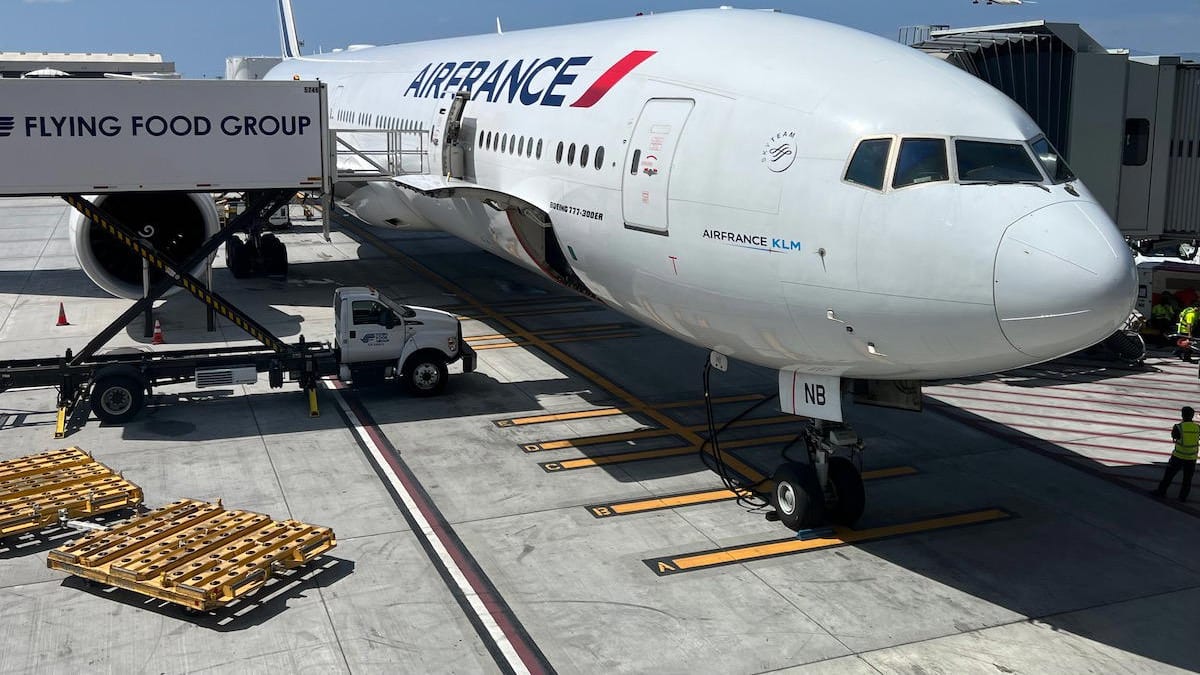
The 2026 developments also highlight a wider shift in how airlines and French airports are managing demand to and from North America. Paris Charles de Gaulle remains the main hub, but growth there is increasingly being optimized through a mix of frequency, aircraft type and coordinated scheduling rather than simple volume increases. Industry coverage shows that Air France is deploying larger widebody aircraft, including Boeing 777-300ERs with high premium seating density, on key New York departures to match demand spikes linked to major events and holiday peaks.
At the same time, investment in domestic and intra-European connectivity from airports like Marseille and Bordeaux is designed to spread flows more evenly across the network. Carriers are refining departure banks so that inbound flights from these regional cities feed efficiently into transatlantic waves from Paris. This approach reduces the need for late night or very early morning departures, which are unpopular with travelers and more challenging for airport operations.
Some analysts point out that this hub and spoke reinforcement may have sustainability benefits as well. By channeling more long haul passengers through a limited number of high capacity flights, airlines can improve average load factors and reduce per passenger emissions, even as overall traveler numbers grow. In parallel, the growth of high speed rail within France offers alternatives to short domestic hops on certain corridors, freeing up airport slots that can be redeployed to long haul routes such as those connecting Paris and New York.
For New York area airports, the French strategy promises a more predictable flow of arrivals and departures from Paris and its regional feed. Coordinated schedules are expected to make it easier for US carriers to align onward connections across the domestic network, further extending the reach of these French flights into secondary and tertiary American cities.
Implications for Travelers Planning 2026 Transatlantic Trips
For passengers on both sides of the Atlantic, the combined effect of these changes is a more flexible and competitive landscape in 2026. Those traveling between Paris and New York will see a wider span of departure and arrival times, more opportunities to secure reward seats, and a broader choice of cabins and price points. Publicly available booking data and loyalty program commentary already suggest that travelers are beginning to factor these expanded options into trip planning for the 2026 peak season.
Travelers based in or visiting Marseille, Bordeaux and other French regions stand to gain from more tightly integrated itineraries even when nonstop services are not available on their preferred dates. The ability to connect through Paris on a single itinerary to an expanded bank of New York flights reduces the risk of missed connections and baggage complications, while also creating new possibilities for stopover tourism in the French capital.
For US based visitors, particularly those planning multi city European trips, France’s 2026 flight strategies may influence how itineraries are structured. With Paris positioned as a more powerful entry and exit point and regional airports increasingly connected to that hub, travelers can more easily combine a first stop in New York with onward journeys to Provence, the Atlantic coast or the southwest without retracing their steps. Tour operators and corporate travel managers are expected to adapt packages and policies to reflect the new capacity and routing options.
As airlines finalize their 2026 schedules, the emerging picture is one of a French market that is consolidating strength on its flagship Paris New York corridor while gradually weaving cities like Marseille and Bordeaux more tightly into the global network. The result is a denser, more interconnected map that could alter long standing travel habits on both sides of the Atlantic.