


More news on this day
British holidaymakers are being urged to review travel plans for this summer as fresh official advisories highlight rising risks from extreme heat, industrial action and political instability across several popular overseas destinations.
Get the latest news straight to your inbox!
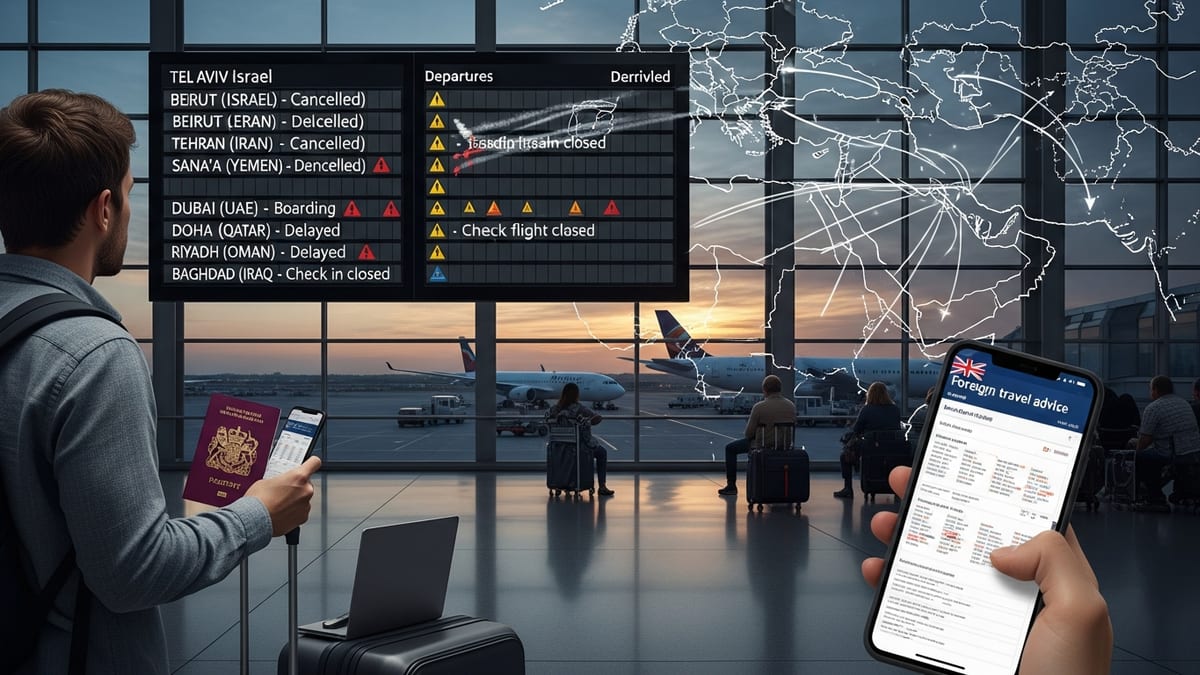
Updated Foreign Office guidance tightens and relaxes key routes
Recent updates to the UK Foreign, Commonwealth & Development Office (FCDO) travel advice are reshaping where many Britons may feel comfortable booking holidays this summer. Publicly available information shows that the FCDO now advises against all but essential travel to Cuba, a change highlighted in the latest warnings and insurance section of the government’s country guidance. This places the Caribbean island in a higher-risk category for British visitors and could affect those with upcoming packages and cruises making regional stops.
At the same time, other parts of the world have seen a modest easing of restrictions. Coverage in specialist travel and business media indicates that guidance has been relaxed for several Gulf destinations, including the United Arab Emirates and Qatar, ahead of the peak holiday season. For many British travellers, this opens the door once again to long-haul breaks in destinations such as Dubai and Doha, provided they continue to monitor official advice.
Separate reporting collating FCDO advisories suggests that the UK continues to warn against all travel to a group of high‑risk countries and against all but essential travel to parts of others. Travellers are being reminded that most standard travel insurance policies will not cover those who choose to visit areas where official guidance advises against all or all but essential travel, leaving holidaymakers financially exposed if plans proceed regardless.
Interactive tools based on FCDO data, including online advisory maps, underline the patchwork of risk levels worldwide. While most short‑haul European destinations remain open for leisure visits, pockets of political tension, crime, or conflict are still reflected in stricter warnings that British tourists are being encouraged to check before booking.
Heatwave conditions and climate risks reshape summer planning
Weather‑related disruption is emerging as a central concern for British travellers in 2026. The UK Met Office has issued a rare Red Warning for Extreme Heat for parts of England, noting an exceptional spell of hot and humid weather with temperatures potentially exceeding the mid‑30s Celsius. Although this alert is focused on conditions at home, forecasters point out that climate change is increasing the likelihood of intense heat events across Europe and the wider Mediterranean during the traditional holiday months.
Reports from European meteorological services and travel forums describe a prolonged heatwave stretching across popular city‑break and beach destinations, with daytime temperatures pushing into the high 30s and beyond. Travellers with children, older relatives or existing health conditions are being urged by public‑health agencies to factor in shade, hydration and air‑conditioned accommodation when planning itineraries.
Climate attribution studies cited by the Met Office note that human‑driven warming has already increased the chance of extreme heat episodes similar to those seen in 2018 and 2022. For British holidaymakers, this means summer trips that might once have been considered comfortably warm can now coincide with dangerous conditions, particularly in landlocked cities and resorts where night‑time temperatures remain high.
Consumer organisations and travel insurers are also stressing that discomfort with hot weather, by itself, is unlikely to qualify for compensation if a trip goes ahead as scheduled. Only when official travel advice changes significantly, such as a new warning against all but essential travel, do some policies typically allow cancellation claims, leaving many families weighing up health risks against financial penalties.
Strikes, transport disruption and crowding threaten peak getaways
Industrial action remains another key threat to smooth summer travel for UK residents. Official travel advice for Belgium, for example, flags national strike action as an ongoing issue that has repeatedly disrupted services over the past year. Similar warnings note that strikes can be announced at short notice, affecting rail, aviation and public transport networks that many holidaymakers rely on for multi‑country itineraries.
Updated guidance for the Netherlands points to significant disruption on cross‑Channel rail links. Eurostar has advised passengers not to attempt to travel between the UK and the Netherlands until early July, citing infrastructure and timetable changes that affect services. Travellers are being advised to check with operators before departure and to have alternative routes in mind where possible.
Across mainland Europe, transport unions in aviation, rail and urban transit continue to warn of potential walkouts linked to pay and working conditions. While many actions are resolved with limited impact, published advice consistently urges British travellers to monitor local news, allow extra time for transfers and keep flexible arrangements for connecting flights or ferries.
Travel planning services suggest that anyone with tightly timed cruises, rail passes or multi‑city tours should pay particular attention to strike calendars and booking conditions. In some cases, operators are offering free rebooking or vouchers where disruption is severe, but such measures vary by country and mode of transport.
Insurance gaps and financial exposure under new advisories
Industry briefings and consumer guidance stress that changes to FCDO travel advice can have immediate consequences for holiday cover. Trade bodies and brokers highlight that many insurers treat travel against specific warnings as a policy exclusion, meaning medical bills, cancellations or evacuations may not be reimbursed if a traveller knowingly visits a destination the government advises against.
Recent round‑ups of advisory changes emphasise that while only a limited number of countries are subject to blanket “do not travel” style warnings, a wider list carries partial restrictions that still affect insurance. Regions of otherwise popular destinations may be designated higher risk due to local security conditions, protests or crime, requiring travellers to study maps and small print rather than relying on headline country labels alone.
Local authority guidance in the UK also underlines the importance of comprehensive cover for overseas trips, noting that the government’s role is limited to providing consular assistance rather than financial rescue. Travellers are reminded that they may be personally liable for medical costs or repatriation if they depart without suitable insurance or if their policy is invalidated by ignoring official advice.
Specialists recommend checking that policies include cover for missed departures, airline failure and additional accommodation in the event of disruption, particularly during a summer marked by extreme weather and labour disputes. Holidaymakers are also being encouraged to keep digital and paper copies of policy documents and emergency contact numbers in case of connectivity problems abroad.
Practical steps for Brits heading overseas this summer
Public campaigns built around the government’s Travel Aware initiative and local council advice pages are urging British residents to prepare more thoroughly for trips abroad. Together with routine passport checks and health preparations, travellers are encouraged to consult the latest country‑by‑country guidance in the weeks and days before departure, paying special attention to any late‑breaking political, security or health developments.
Health bodies and weather agencies recommend planning around the hottest parts of the day, especially in southern Europe and other sun‑exposed destinations. Suggestions include booking air‑conditioned accommodation, seeking shade during mid‑afternoon, staying hydrated and being cautious about strenuous outdoor activities, particularly for young children and older adults.
For those travelling to regions where advice has recently tightened, such as areas affected by civil unrest or serious economic shortages, expert commentary advises preparing contingency funds, registering contact details with consular services where available and keeping friends or family updated on route changes. Although most holidays are expected to proceed without major incident, official messaging consistently stresses that no trip can be guaranteed risk‑free.
With the main school summer break approaching and demand for overseas breaks already high, British holidaymakers are being encouraged to balance a desire for sun with a realistic assessment of evolving risks. That means staying informed, ensuring insurance remains valid and being ready to adjust itineraries at short notice if new travel warnings are issued in the weeks ahead.