


More news on this day
Frontier Airlines customers across the United States are reporting severe disruptions to their summer travel plans, with some passengers describing days of delays, rolling cancellations and limited rebooking options on the ultra-low-cost carrier.
Get the latest news straight to your inbox!
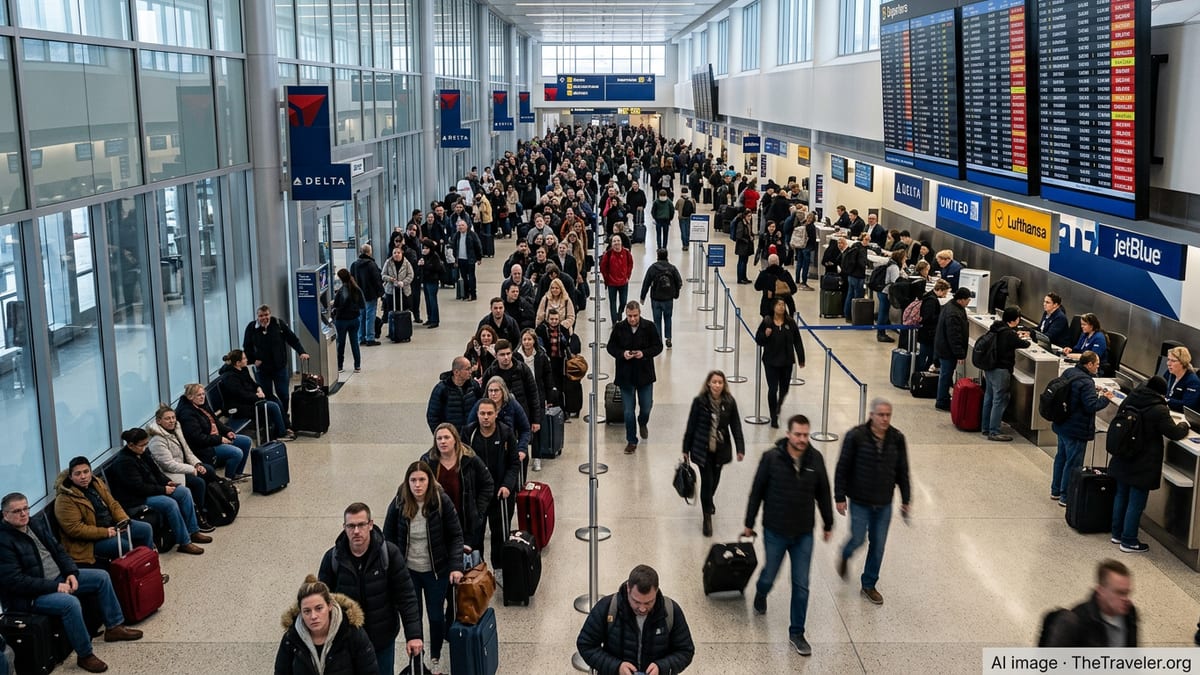
Summer travel strain exposes fragile low-cost schedules
Reports from major hubs such as Denver, Atlanta and Chicago indicate that Frontier passengers have recently faced repeated delays followed by same-day cancellations, leaving some travelers stranded overnight or forced to purchase last-minute tickets on other airlines at several times the original fare. Online tracking tools show multiple Frontier services in mid-June operating significantly behind schedule or arriving the following day, illustrating how a single disruption can cascade through the network.
Data from independent flight-tracking sites for Frontier routes between large domestic markets in June 2026 show average delays of more than an hour on some services. On select routes, rolling departure-time changes have pushed flights into late-night and early-morning arrivals, complicating onward connections and ground transport for passengers.
Travel forums and consumer complaint boards suggest that these delays often occur on routes where Frontier operates only one or two daily frequencies. When flights are canceled late in the day and subsequent services are already full, travelers may be forced to wait for open seats on later dates or to switch carriers at their own expense.
Published analyses of low-cost airline operations note that carriers like Frontier typically run tight schedules with high aircraft utilization. While this helps keep fares low, it can also reduce flexibility when mechanical issues, weather or air-traffic constraints appear, increasing the risk that delays will ripple through the system for days.
Passenger accounts highlight multi-day disruptions
Recent passenger accounts posted publicly describe itineraries unraveling over several days after an initial delay or cancellation. In some cases, flights have been repeatedly pushed back in short increments before being scrubbed late at night, with rebooking options limited to flights one or two days later from the same airport.
Travelers writing about spring and summer 2026 trips with Frontier describe experiences that include overnight airport stays, last-minute hotel searches and the need to pay several hundred dollars more to book last-seat inventory on competing carriers. Some passengers report that they received refunds or credits from Frontier, but that the extra costs of salvaging their trips far exceeded the original ticket price.
Other accounts reference missed weddings, cruises and important family events after a Frontier flight was canceled or heavily delayed with few alternative options. Because Frontier does not maintain extensive interline agreements with larger network airlines, passengers generally cannot be transferred to other carriers without purchasing a new ticket.
These individual stories align with broader consumer complaint patterns that show Frontier attracting a relatively high number of grievances compared with its size in recent years, especially in categories related to delays, cancellations and customer service.
Regulatory data and airline policies frame what passengers can expect
Publicly available data from federal aviation consumer reports indicate that schedule disruptions remain a significant pain point across the U.S. airline industry in 2026, with low-cost carriers often posting higher percentages of delayed flights than large legacy airlines. While overall cancellation rates across all carriers have eased from the most severe periods of the past few years, the burden remains unevenly distributed, particularly for travelers booked on less-frequent routes.
Frontier’s published change and cancellation policies emphasize that customers on its lowest fares face fees if they cancel or change close to departure, and the value of a canceled trip is typically returned as a credit rather than cash if the passenger initiates the change. When the airline itself cancels a flight or makes a significant schedule change, Frontier states that customers are entitled to a refund if they choose not to travel, consistent with U.S. Department of Transportation rules.
Consumer-rights organizations point out, however, that U.S. regulations do not require airlines to provide cash compensation for delays, and that hotel and meal vouchers during disruptions are at the discretion of each carrier. Travelers on ultra-low-cost airlines such as Frontier are therefore more exposed to out-of-pocket expenses when disruptions stretch beyond a few hours into overnight or multi-day events.
Guides produced by passenger-advocacy groups advise Frontier customers to keep documentation of delays and cancellations, review whether their itinerary touches jurisdictions with stronger compensation rules, and check whether credit card travel protections may reimburse expenses that the airline does not cover.
Social media pressure grows as disruptions hit peak season
As the peak U.S. summer travel season begins, posts about Frontier’s operational reliability have multiplied across social media platforms and travel forums. Travelers share screenshots of changing departure times, photos of crowded gate areas late at night and discussions of whether the savings from choosing an ultra-low-cost carrier outweigh the potential for disruption.
Some contributors defend the airline as an acceptable option for flexible leisure trips, noting that many flights do operate as scheduled and that low base fares can significantly reduce total travel costs. Others argue that the combination of minimal schedule redundancy, limited customer support and strict change policies makes Frontier an increasingly risky choice for time-sensitive journeys.
Comparisons with larger U.S. airlines appear frequently in these discussions. Travelers note that network carriers often offer more frequent daily flights between major cities and may be able to rebook passengers more quickly after a cancellation, even if overall fares remain higher.
The heightened visibility of individual disruption stories adds reputational pressure on Frontier at a time when airlines compete aggressively for price-sensitive travelers. Repeated multi-day disruptions on specific routes, even if they affect a minority of total passengers, can shape broader public perceptions about reliability.
What travelers can do when delays stretch into days
Travel experts and consumer advocates suggest that passengers who experience extensive delays or cancellations on Frontier first determine whether they still wish to travel, then assess whether the new schedule meets their needs. If not, they may request a refund for the unused portion of the ticket and consider alternatives, including other airlines or ground transportation.
Advisories also recommend tracking actual arrival times, keeping boarding passes and collecting any written communications about the disruption, in case passengers later seek refunds, credits or compensation where applicable. For international itineraries that begin or end in regions with stronger passenger rights rules, travelers may be entitled to additional payments if the delay or cancellation meets specific thresholds and is considered within the airline’s control.
For upcoming trips on Frontier, experienced travelers often suggest strategies such as booking the earliest flight of the day, allowing generous connection times and avoiding tight same-day commitments at the destination. Some also recommend weighing the true cost of a trip, including the potential need for last-minute alternative flights or hotel stays, when comparing ultra-low base fares with more expensive but potentially more resilient options.
With peak summer travel underway, the recent wave of Frontier passenger reports about days of delays and cancellations underscores the importance of understanding an airline’s schedule structure, policies and risk profile before clicking purchase on a tempting low fare.