


More news on this day
Around 200 people who had bought into a long term “cruise for life” concept have been left scrambling for accommodation and onward travel after their residential ship, the Villa Vie Odyssey, abruptly suspended operations and ordered passengers to disembark in the Cambodian port of Sihanoukville.
Get the latest news straight to your inbox!
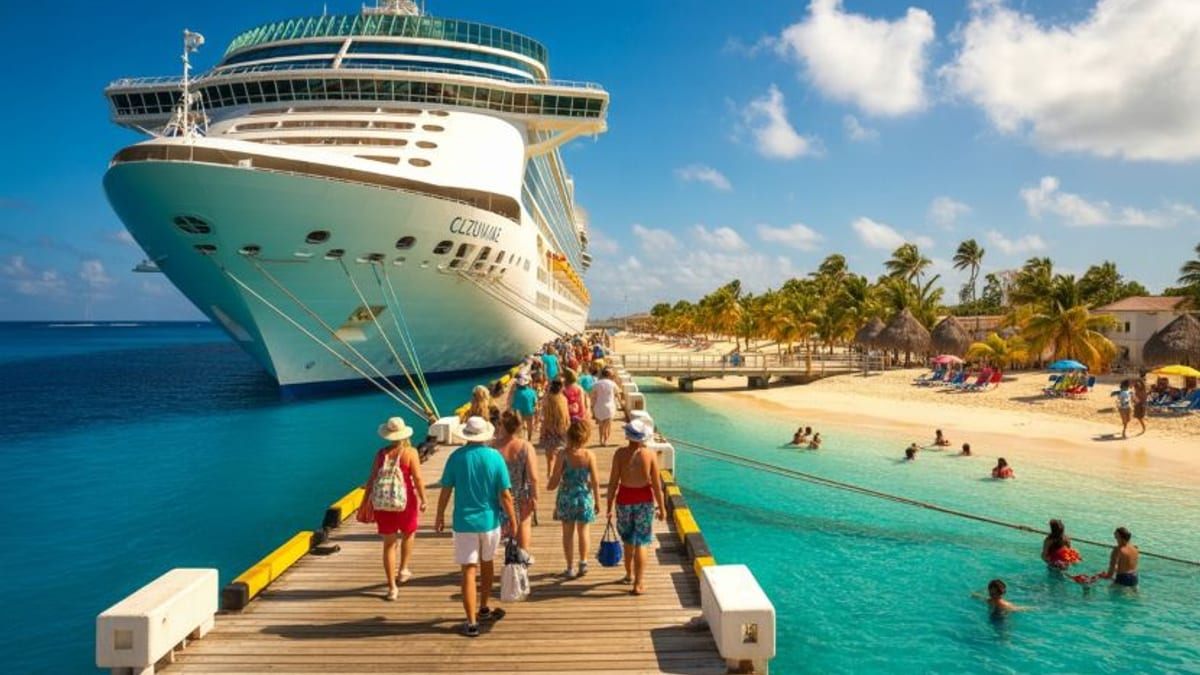
Residential world cruise halted in Sihanoukville
Publicly available information indicates that the Villa Vie Odyssey, a former Fred. Olsen cruise vessel converted into a residential ship, arrived in Sihanoukville on the Gulf of Thailand and told residents they had to leave the vessel with their belongings this week. Reports describe a sudden end to what had been marketed as a multi year or even open ended voyage where passengers could own or rent cabins as floating homes.
Coverage of the incident states that the U.S. based operator, Villa Vie Residences, announced it was suspending operations in Cambodia, citing an “extraordinary” rise in fuel costs and losses that it could no longer sustain. The ship had been sailing an around the world itinerary and promoting continuous travel for residents who had in many cases restructured their lives around long term life at sea.
Accounts from passengers and regional media describe scenes of uncertainty on board as the suspension order was communicated and residents were told to secure hotel rooms and flights from the coastal city. While some travelers were able to leave Cambodia quickly, others reportedly remained in Sihanoukville weighing options and seeking clarity on refunds and the future of the voyage.
Soaring fuel prices and a fragile business model
According to published coverage, Villa Vie Residences has blamed a sharp increase in fuel prices in Asia, linked to the broader energy market impact of the conflict involving Iran, for making its residential cruise model unsustainable on the current itinerary. Reports suggest that monthly fuel costs allocated per cabin rose from roughly 1,800 dollars to as much as 6,000 to 8,000 dollars in some parts of the region, multiplying one of the ship’s largest operating expenses.
The operator had already been asking residents to pay surcharges and contribute additional funds to cover fuel and other costs in recent months, according to passenger blogs and social media posts. Publicly available commentary from those on board describes a pattern of changing itineraries, concerns over service standards and repeated requests for extra payments, all of which had led some residents to leave the project before the Cambodia decision.
With the announcement of a suspension and a proposed restructuring period, the company has said through public statements that it intends to review its finances and route plans. However, there is no confirmed timeline for any potential resumption of the global voyage, and there is no publicly verified guarantee that the Odyssey will return to service in the format originally sold to residents.
Passengers face housing and financial uncertainty
Many of those affected had sold homes or long term leases on land in order to buy or rent cabins on the Villa Vie Odyssey, according to earlier media profiles of residents when the ship began its residential voyage. For these travelers, the sudden end to the cruise in Cambodia is not only a disruption to a holiday but a serious housing and financial shock.
Reports from international outlets describe passengers rushing to secure hotel rooms in Sihanoukville, arrange flights through Phnom Penh or other regional hubs and ship possessions back to their home countries. Some residents are reported to have left the ship for inland or overseas destinations within hours of the disembarkation order, while others are staying nearby as they evaluate legal and financial options.
Questions now surround how much of the money invested in long term leases or “cruise for life” style arrangements can be recovered. Public information on Villa Vie’s financial guarantees is limited, and it is not yet clear what protections, if any, are available under the company’s contracts or under the regulatory regimes in the jurisdictions where payments were made. Consumer advocates observing the case note that residential cruise products typically fall into a gray area between traditional cruising and real estate, where oversight can be fragmented.
Cambodian port becomes an unexpected endpoint
The port city of Sihanoukville, better known in recent years for its rapid casino led development and changing tourism profile, has suddenly become the final chapter of a high profile attempt to create a permanent residential cruise community. Local officials quoted in regional media have confirmed that several hundred foreign passengers disembarked there and that some quickly departed onward for other countries.
Publicly available ship tracking data and maritime reporting show that the Odyssey is expected to remain in Cambodia for refueling and lay up while Villa Vie works on its restructuring plan. Some reports suggest the vessel could depart Sihanoukville without passengers once arrangements are in place, although the operator has not issued a detailed public schedule for the ship’s next movements.
For Cambodia, the episode highlights the country’s role as a fallback port when cruise itineraries in the region face disruption. During the early stages of the COVID 19 pandemic, another cruise ship, the Westerdam, was allowed to dock in Sihanoukville after being turned away elsewhere, drawing global attention to the port. This latest incident again places the city in the spotlight, this time as the point where a highly publicized “endless” cruise came to an abrupt stop.
Warning signs for would be residential cruisers
The fate of the Villa Vie Odyssey raises wider questions for travelers considering residential or very long term cruises as an alternative to traditional housing. While standard cruise lines that embark passengers from U.S. ports are generally required to maintain financial protections for consumer deposits, experts note that niche operators and vessels based elsewhere may not fall under similar rules, leaving buyers more exposed if a project fails.
Consumer organizations that track the sector have previously highlighted other ambitious “live at sea” ventures that struggled or collapsed after pre selling lengthy voyages. In some cases, passengers who had paid large deposits or sold property faced extended delays in recovering funds or were unable to secure full refunds when itineraries did not proceed as advertised.
Travel law specialists urge prospective residents on such ships to scrutinize contracts, look for evidence of independently verified financial security and be cautious about committing life savings to enterprises without a long operating history. The Cambodia incident underscores how quickly changing fuel prices, geopolitical tensions affecting shipping routes and tight financing can combine to unravel even well publicized projects, leaving travelers far from home to pick up the pieces of disrupted lives and plans.