


More news on this day
The UK Foreign, Commonwealth & Development Office has tightened its travel advice for Turkey, Egypt and several other Middle East destinations, warning that regional tensions have left the security situation "deeply unpredictable" and the risk of sudden escalation high.
Get the latest news straight to your inbox!
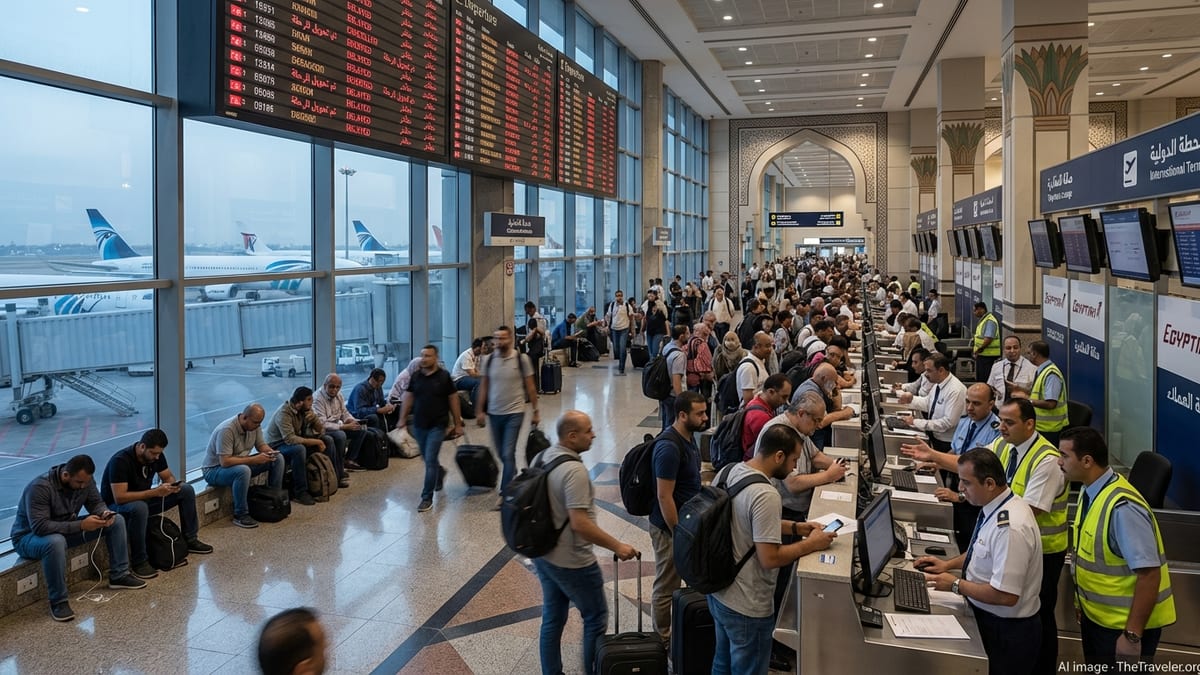
Coordinated update across 16 Middle East country pages
According to publicly available government information, the Foreign, Commonwealth & Development Office (FCDO) republished travel advice for 16 countries across the Middle East on 27 October 2026, including Turkey and Egypt. Independent monitoring of the changes indicates that a common warning about heightened regional tensions and the possibility of rapid deterioration in security now appears across these pages.
Specialist analysis of the update notes that the FCDO did not release a separate public statement explaining a specific triggering incident, instead folding the new language into the existing country advice. The wording stresses that the regional context remains volatile and that the risk of sudden escalation is high, reflecting the wider conflict environment and recent military activity in and around the region.
For UK travellers, the change does not constitute a blanket ban on visiting Turkey or Egypt. However, it reinforces that itineraries taking in multiple Middle East destinations, or involving transit through regional hubs, may be more exposed to disruption than before and should be planned with extra flexibility.
The revised language also serves as a reminder that FCDO assessments can be updated at short notice. Travellers who made bookings several weeks ago, when the regional wording was less prominent, may find that risk ratings and insurance conditions now look different to when their trips were first arranged.
Turkey: targeted restrictions and border-zone warnings
The latest FCDO advice for Turkey, updated on 27 October 2026, keeps most of the country open for travel but maintains strict warnings for areas close to conflict zones. The UK government continues to advise against all travel to within 10 kilometres of the border with Syria because of fighting and an elevated risk of terrorism. Separate caution applies around stretches of the border with Iraq, where instability and military operations can affect security conditions.
Regional tension wording has been strengthened in the Turkey advisory, underlining that British nationals travelling in or through the wider Middle East should be prepared for possible flight cancellations, airspace closures and other travel disruption. The advisory highlights that sudden changes in regional airspace permissions could affect routes in and out of Turkish airports, even for journeys that do not involve onward travel to neighbouring states.
The new notice effectively asks leisure and business travellers to build more slack into their itineraries. Flexible tickets, confirmed accommodation that can be amended without heavy penalties and comprehensive travel insurance that is valid when travelling in line with FCDO advice are presented as important safeguards. The advice also reiterates that travelling into areas where the UK government advises against all or all but essential travel is likely to invalidate many standard insurance policies.
For popular destinations such as Istanbul, Cappadocia and the Turquoise Coast, the FCDO does not currently advise against travel. However, the broader regional wording means visitors are encouraged to keep monitoring official updates regularly before departure and while on the ground, particularly if their plans bring them near the southeast or involve overland routes towards border regions.
Egypt: regional tensions and long-standing internal risk zones
Egypt’s travel advice page was also refreshed on 27 October 2026, with the FCDO underscoring that the broader Middle East context is "deeply unpredictable" and that the risk of sudden escalation remains high. The advisory combines new regional language with long-standing guidance on specific parts of the country where the UK government already advises against travel.
The FCDO continues to advise against all travel to within 20 kilometres of the Egypt–Libya border, except for the town of El Salloum, where the advisory is set at against all but essential travel. The same "all but essential" level is applied to parts of the Ismailiyah Governorate east of the Suez Canal, reflecting ongoing security operations in that corridor. Separate, long-running restrictions remain in place for much of North Sinai, where there is an established threat from terrorism and military activity.
For the main tourist centres along the Nile and Red Sea, including Cairo, Luxor, Aswan, Hurghada and Sharm el Sheikh, the FCDO does not currently advise against travel. The updated text instead stresses that these destinations exist within a region where airspace closures, flight cancellations and heightened security checks are possible, and that travellers should stay in close contact with airlines and tour operators in case of schedule changes.
The advisory encourages visitors to pay particular attention to local security measures, which in Egypt can include checkpoints on major highways, screening at hotel and site entrances and occasional movement restrictions in response to specific incidents. Travellers who plan overland journeys, especially at night or through sparsely populated areas, are urged to seek local advice and remain alert to changing conditions.
Impact on flights, connections and travel insurance
Industry groups and travel risk consultancies note that the UK travel advice update coincides with intermittent airspace closures and route adjustments reported across parts of the Middle East in recent months. Travel industry briefings describe episodes where airspace over countries such as Iran, Iraq and sections of the Gulf has been temporarily restricted, forcing airlines to reroute or cancel services at short notice.
While Turkey and Egypt remain major international aviation hubs for Europe–Asia and Europe–Africa connections, the new FCDO wording accepts that they are exposed to knock-on effects from regional disruption. Passengers transiting via Istanbul, Antalya, Dalaman, Cairo or the Red Sea airports may experience longer flight times, last-minute schedule changes or altered routings if neighbouring airspace is constrained by military or security concerns.
Travel insurers routinely use FCDO advice as a benchmark when defining policy coverage. Industry guidance circulated earlier this year stresses that travelling to an area where the UK government advises against all or all but essential travel can void standard cover for cancellation, curtailment and emergency assistance. The latest updates for Turkey and Egypt therefore carry practical implications for anyone whose itinerary skirts restricted border areas or involves excursions into higher-risk regions.
Travel organisations recommend that policyholders check both the date their insurance was purchased and the precise wording of their policy. Some products may offer limited cancellation cover if advice changes after a booking and policy purchase, while others may treat evolving regional tensions as a known risk and exclude related claims. Travellers who booked months ago may find that newer advisories alter how their insurer interprets risk around Middle East routes and stopovers.
What UK travellers should do next
The strengthened FCDO language does not amount to a general instruction for British nationals to avoid Turkey or Egypt, but it does signal a higher expectation that travellers will take responsibility for monitoring conditions and adjusting plans. Public messaging from travel trade bodies in the UK highlights the importance of checking official country pages repeatedly in the run-up to departure, rather than relying on a single snapshot taken when a holiday was first booked.
Travellers with imminent departures are being encouraged by tour operators and airlines to confirm flight status early, ensure contact details are registered in booking systems and consider allowing additional connection time where itineraries involve regional hubs. Those planning independent, multi-stop trips through the Middle East are being advised to map their journeys carefully against current FCDO country pages to avoid inadvertently crossing into zones where advice is set to against all or all but essential travel.
For travellers still in the planning phase, the new advice suggests placing a higher premium on flexibility and clear cancellation terms. Fully refundable or changeable airfares, accommodation with free amendments and travel insurance purchased at the time of booking are being presented as ways to manage the uncertainty created by a fast-moving regional security picture.
The FCDO continues to emphasise that travel advice is kept under constant review. With the situation across the Middle East described as unpredictable and prone to sudden change, UK travellers heading to Turkey, Egypt or other regional destinations are being urged to stay informed and be ready to adapt their plans quickly if conditions shift.