


More news on this day
The United Kingdom’s Foreign, Commonwealth and Development Office has widened its list of Middle East destinations subject to heightened travel warnings, expanding regional guidance to 16 countries amid what public advisories describe as a “deeply unpredictable” security environment.
Get the latest news straight to your inbox!
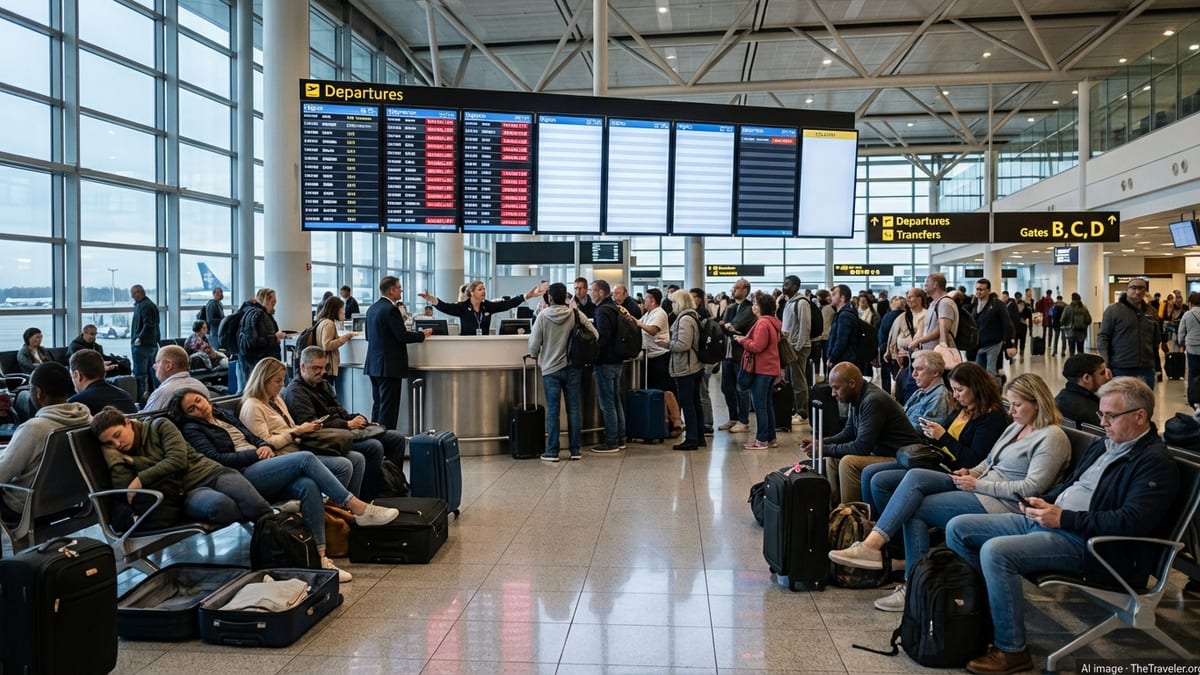
Expanded list covers 16 states across the region
According to publicly available Foreign Office travel advice updated in late October 2026, the latest regional warning now appears across country pages for Israel, the Palestinian territories, Iran, Iraq, Syria, Yemen, Saudi Arabia, Jordan, Qatar, Bahrain, Kuwait, Oman, the United Arab Emirates, Egypt, Turkey and Pakistan. The wording highlights the potential for further escalation linked to the ongoing conflict and broader regional tensions.
Specialist risk bulletins and industry tracking of the changes report that the updated text was republished in a short window on 27 October, with a near-identical paragraph added to the advisory pages for all 16 states. The shared language draws attention to the possibility of sudden deterioration in security conditions, including missile or drone strikes, cross-border attacks and unrest that could affect civilian areas and transport infrastructure.
The revised advice does not place all 16 countries at the same overall warning level, but it underlines that even in destinations where holidays and business travel continue in large numbers, the regional backdrop has become more volatile. Travellers are urged to pay close attention not only to the headline “green, amber or red” status of a destination, but also to the detailed sections on terrorism, regional tensions and border areas.
Travel trade reports indicate that the changes are already influencing booking sentiment, particularly for multi-stop itineraries combining Gulf hubs with onward connections to higher-risk destinations. Some UK-based tour operators have reiterated that itineraries will be kept under review and may be adjusted at short notice if Foreign Office assessments tighten further.
Recent attacks and incidents driving higher alert levels
The broadened Middle East warning comes in the wake of a series of incidents that have sharpened concern about civilian aviation and tourism infrastructure in the region. Publicly available risk analysis notes that the Foreign Office’s Saudi Arabia page now carries regional language alongside an existing alert on attacks claimed by Yemen’s Houthi movement, including a missile strike on Riyadh’s King Khalid International Airport earlier in October that caused multiple casualties and major disruption to flights.
Analysts tracking the latest advisories point out that the updated text for several Gulf states refers explicitly to the possibility of further attacks linked to the wider conflict and to Iran-aligned groups. Similar concerns appear in recent United States and allied government advisories, which warn of potential targeting of locations associated with Western interests and regional partners, including transport hubs, hotels and other sites frequently used by foreign visitors.
For parts of Iraq, Syria, Yemen and border regions in several neighbouring states, the Foreign Office continues to advise against all or all but essential travel due to a combination of armed conflict, terrorism and lawlessness. Insurance industry briefings note that these “do not travel” or “essential travel only” designations can invalidate standard travel insurance policies if ignored, leaving travellers without cover for medical evacuation, trip disruption or personal liability.
Elsewhere, including in major resort areas of Egypt and coastal cities along the eastern Mediterranean, there has been no specific incident prompting an evacuation, but the new regional wording reflects concern that escalation could occur at very short notice. Aviation risk assessments circulated to corporate clients highlight the potential for sudden airspace closures, redeployment of military assets and changes to overflight permissions that could force diversions or cancellations.
What the guidance means for holidaymakers and transit passengers
The expanded Foreign Office warning does not amount to a blanket ban on travel across the Middle East, and flights between the United Kingdom and key hubs such as Dubai, Abu Dhabi, Doha and Istanbul are still operating. However, publicly available travel advice stresses that even travellers merely transiting through the region should be prepared for elevated security checks, schedule changes and the possibility of disruption if tensions flare.
Consumer groups and travel industry bodies in the UK advise that anyone with existing bookings to the 16 listed countries should first check the precise wording on the Foreign Office country page for their destination. The overall level of advice, such as whether travel is permitted, discouraged or restricted to essential trips, can have a direct impact on package holiday protections, airline rebooking options and the validity of insurance cover.
Where the guidance has recently tightened to “against all but essential travel” or “advise against all travel” in specific regions, package holiday customers may have a stronger case to seek refunds or alternative destinations from tour operators. Independent travellers may need to negotiate directly with airlines and accommodation providers, with outcomes varying depending on fare rules and local cancellation policies.
Transit passengers whose itineraries route through Gulf or Turkish hubs without leaving the airport are generally treated differently from those entering the country as visitors. Nevertheless, risk professionals recommend that travellers build in longer connection times, monitor airline apps and news channels for last-minute changes, and ensure that their insurance explicitly covers disruptions stemming from regional conflict or terrorism.
How to plan Middle East trips under the new warnings
For travellers still considering journeys to or through the Middle East, the widened Foreign Office list adds several layers of preparation. Travel management companies and security consultants advise checking Foreign Office advice at three stages: before booking, shortly before departure and during the trip itself, as updates can be issued multiple times in a single week when situations are fluid.
UK residents are encouraged to review not only the headline safety rating but also the sections dealing with entry requirements, airport security, internal travel and local laws. In several of the 16 countries, curfews, internal checkpoints or restrictions on movement near border zones and military facilities are described in some detail, affecting overland excursions, desert trips and cross-border tourism that might previously have been routine.
Independent travellers heading to higher-risk areas are also being urged by insurers and corporate travel departments to share itineraries with family or employers, keep copies of key documents backed up in secure cloud storage and maintain a low profile in public spaces. Many global companies with staff in the region have revisited their duty-of-care procedures since the latest updates, tightening rules on non-essential travel and requiring more robust risk assessments.
For those who decide the current environment is too uncertain, several large tour operators and airlines are offering flexible change policies on tickets involving the region, although specific conditions differ between companies and may depend on the exact wording of official government advice on the date of travel. Travellers weighing whether to go ahead may find it useful to compare the Foreign Office stance with guidance issued by their home country, employers and insurers before making a final decision.
Implications for the wider travel industry
The broadened Middle East warning list comes at a time when carriers and tourism boards in the region have been seeking to rebuild demand. Industry analysis suggests that while point-to-point leisure travel to higher-risk destinations may soften, some Gulf hubs could see continued or even increased use as airlines adjust routing around conflict zones and reconfigure long-haul networks.
Travel trade publications report that UK-based operators are closely watching booking patterns for the 2026–27 winter season, traditionally a key period for sun-seekers heading to the Red Sea, the Gulf and city-break destinations such as Istanbul. Some firms have started to promote alternative winter-sun options in the Canary Islands, southern Europe and the Indian Ocean for customers who are hesitant about the Middle East but still seeking warm-weather escapes.
At the same time, airports and hospitality providers in relatively stable pockets of the region are investing in visible security measures and communications designed to reassure visitors without minimising the seriousness of official warnings. Analysts suggest that transparent, factual messaging about what is open, which areas are off limits and how contingency plans would operate in a crisis may be critical to sustaining visitor confidence in the months ahead.
For now, the Foreign Office’s broader Middle East guidance serves as a reminder that even destinations long embedded in the global travel map can be affected by abrupt geopolitical shifts. Travellers and the industry alike are being pushed to factor in a higher degree of uncertainty, build more flexibility into plans and stay attuned to official updates as the situation continues to evolve.