


More news on this day
Around 200 passengers on a residential luxury cruise have been left stranded in Cambodia after the Villa Vie Odyssey abruptly suspended its years long world voyage, citing an extraordinary surge in fuel costs and leaving the operator preparing a bankruptcy filing.
Get the latest news straight to your inbox!
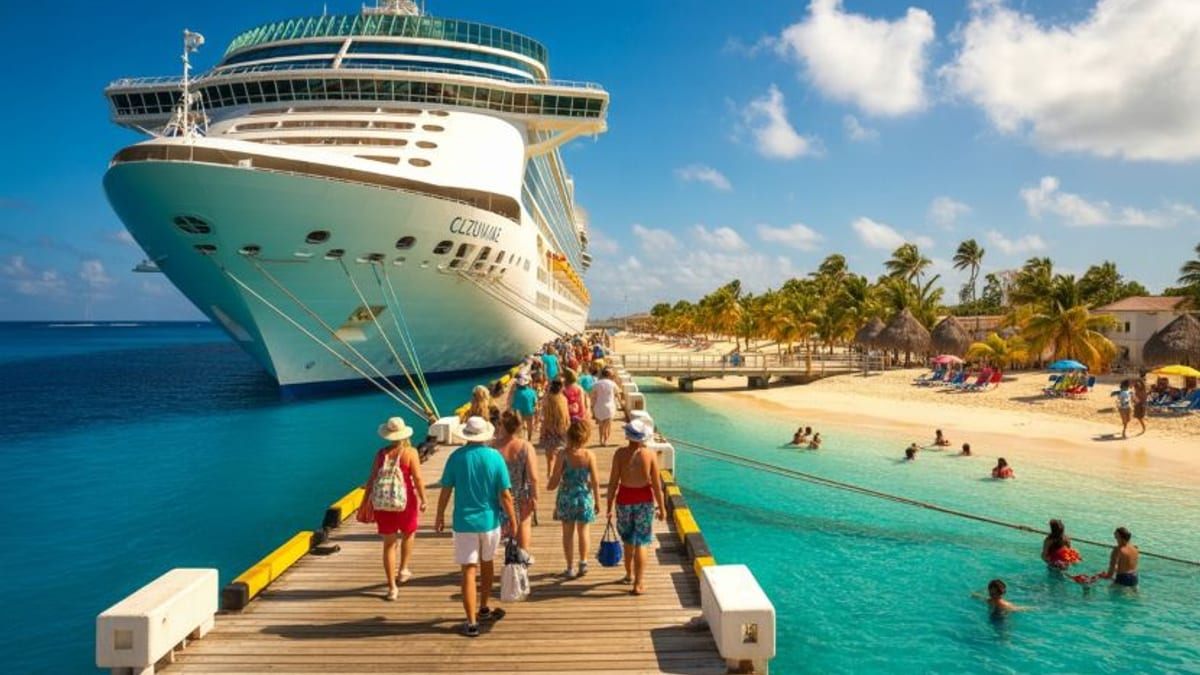
Three Year "Forever Cruise" Stopped Short in Sihanoukville
The vessel at the center of the disruption is the Villa Vie Odyssey, a residential cruise ship marketed as a continuously sailing home at sea. The ship had been promoted as offering multi year, even "cruise for life" residency options as it slowly circled the globe, with cabins sold as long term leases rather than traditional cruise fares.
According to published coverage, the ship was ordered to halt operations in late October 2026 while docked in Sihanoukville, a coastal city in southern Cambodia. Passengers reported receiving early morning notice that the company could no longer proceed, followed by instructions to disembark with their belongings within hours.
Publicly available information indicates that the Villa Vie Odyssey has a capacity of several hundred residents and crew, though only about 200 passengers were on board when operations stopped. The voyage had been underway for roughly two and a half years, part of a planned three year global itinerary that was intended to repeat on a continuous loop.
Statements from the company referenced what it described as extraordinary increases in fuel prices across parts of Asia, which it said made the existing business model unsustainable. The ship has remained moored in Cambodia while residents organize onward travel.
Fuel Price Shock Pushes Niche Operator to the Brink
The decision to suspend the voyage is being directly linked by the operator to a sharp jump in marine fuel costs this year. Reports indicate that in some ports in Asia, the price of fuel available to the Odyssey rose by more than 300 percent compared with levels earlier in the voyage, narrowing already tight operating margins for a small, single ship brand.
Residential cruise products such as the Villa Vie Odyssey rely heavily on predictable, long term cost calculations, because residents commit to multi year contracts or even open ended stays. When core expenses such as fuel increase dramatically, there is limited flexibility to immediately raise revenue without breaching existing agreements with residents who have already paid substantial sums.
Major cruise groups often hedge some of their fuel exposure or adjust itineraries and sailing speeds to absorb price swings. Smaller operators with a single ship and a fixed world voyage schedule have far fewer options. Public filings and industry commentary over recent years have noted that steep fuel cost spikes can pose existential risks to niche cruise concepts that operate far from traditional hub ports and bunker suppliers.
In this case, the operator has stated in media interviews that it ran out of money while attempting to secure fresh investment or a partner to help shoulder higher operating costs. Company representatives have indicated that the current plan is to seek Chapter 11 bankruptcy protection in the United States, a move that would place future operations and passenger claims under court supervision.
Stranded Passengers Juggle Visas, Flights and Housing
For the roughly 200 people who had been treating the Odyssey as a floating residence, the sudden halt in Cambodia has created an immediate logistical puzzle. Many residents boarded the ship after selling or renting out homes on land, expecting years of continuous travel with only brief shoreside stays between segments.
Reports from passengers describe a scramble to secure hotel rooms in Sihanoukville and nearby cities while arranging flights out of Cambodia. The operator has reportedly covered short term local lodging and some ground transportation, but residents have needed to finance onward international travel and longer term accommodation themselves.
Travelers also face immigration and visa considerations. Cambodia typically issues short stay visas on arrival for many nationalities, but some passengers had expected to depart promptly by ship rather than arrange exit flights and potential extensions. Travel agents and consular guidance have become important as residents navigate new return routes to home countries or alternative destinations.
The timing of the disruption has added to the complexity. The voyage stopped midway through an Asian leg that was not aligned with major international air hubs used by most large cruise lines for embarkation and disembarkation. As a result, stranded passengers have had to piece together connections from regional airports to long haul flights on short notice, often at higher last minute fares.
Financial Uncertainty and Questions Over Refunds
Beyond immediate travel arrangements, residents now face uncertainty about the money committed to the project. The Villa Vie concept was sold as a residential lifestyle, with cabins purchased on multi year or lifetime terms rather than as individual cruise tickets. Passengers commonly invested six figure sums for the right to live on board, in addition to ongoing monthly fees for services and operations.
According to media reports, the company had already delayed or adjusted some elements of its financial plan in recent months as it sought new capital, including appeals to residents for additional contributions. Internal correspondence described in news coverage suggests that management explored multiple scenarios to keep the voyage going, but rising fuel and operating costs outpaced available funding.
The indication that the operator intends to pursue Chapter 11 bankruptcy raises complex questions over how resident claims will be treated. In similar travel and cruise collapses, customers have sometimes been categorized as unsecured creditors, leaving them in line behind secured lenders and other parties when assets are divided. The specific treatment in this case will depend on court proceedings, the company’s capital structure and the contractual language in residential agreements.
Consumer advocates have frequently highlighted gaps in financial protection for buyers of unconventional long duration travel products, which may fall outside traditional cruise compensation schemes or package travel regulations. The Villa Vie Odyssey shutdown is likely to renew scrutiny of how such arrangements are marketed and what financial safeguards, if any, are in place for residents if an operator fails.
Broader Implications for Residential Cruising
The events in Cambodia come at a time when residential cruising has been promoted as an alternative lifestyle for retirees, remote workers and digital nomads. Several ventures have marketed multi year or permanent live aboard concepts, some using repurposed older cruise ships and others proposing new purpose built vessels.
Analysts following the sector have noted that these products combine characteristics of real estate, hospitality and traditional cruising, which makes them vulnerable to shocks across multiple cost categories. Fuel price volatility, inflation in food and labor, and shifts in global travel patterns can strain the finances of companies that promise stable, all inclusive living at sea over many years.
The sudden halt of the Villa Vie Odyssey voyage is likely to influence how future projects structure their contracts and disclosures. Prospective residents may seek clearer information on reserve funds, contingency planning for fuel and operating cost spikes, and the legal priority of their investments in the event of a restructuring or liquidation.
For now, attention remains on the passengers in Cambodia attempting to piece together new plans after seeing a promised endless voyage cut short. Their experience underscores both the appeal and the inherent risk of turning a cruise ship into a long term home, particularly when that home depends on energy markets and a single small operator’s balance sheet.