


More news on this day
Travelers at El Alto International Airport outside La Paz faced hours of uncertainty this week as four flights were delayed and three canceled, compounding broader transport turmoil across Bolivia and disrupting both domestic and international routes.
Get the latest news straight to your inbox!
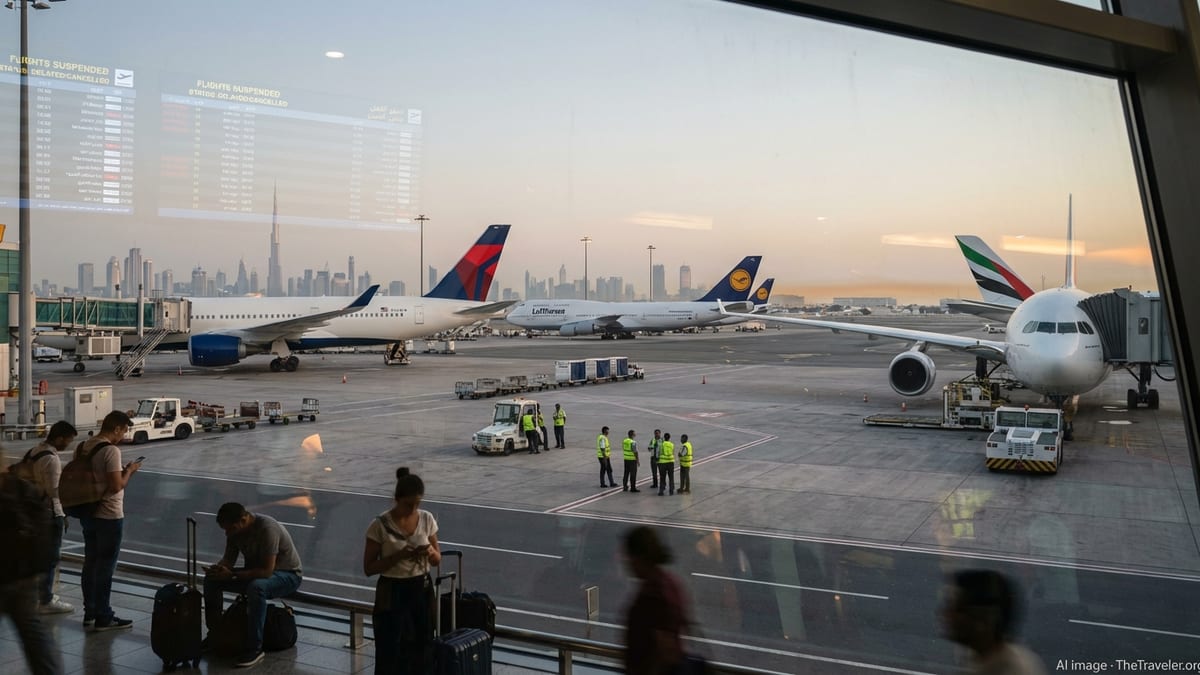
Operational Strain Hits Bolivia’s High-Altitude Hub
El Alto International Airport, the main gateway to Bolivia’s administrative capital La Paz, has become the latest focal point of the country’s mounting transport challenges. Flight-tracking boards on Monday showed a cluster of disrupted operations, with multiple departures delayed or canceled and passengers waiting for updated departure times and rebooking options.
Publicly available flight status data indicated that at least four services scheduled through El Alto were significantly delayed, while three others were canceled outright, affecting links to domestic destinations such as Cochabamba and Uyuni as well as at least one international route. The pattern followed several days of irregular operations, with passengers reporting missed connections and last-minute schedule changes.
Reports from local media and aviation tracking platforms suggest that disruptions have not been confined to a single carrier, although state-owned Boliviana de Aviación remains the dominant airline at the airport. While some affected flights were eventually able to depart with delays of several hours, others were removed from schedules, forcing travelers to seek alternative itineraries or overnight accommodation in La Paz and El Alto.
The situation at El Alto has unfolded against a backdrop of ongoing social unrest and transport blockades in parts of Bolivia, which have already made long-distance bus and road travel difficult. For many visitors and residents alike, air travel had remained the most reliable way to move around the country, amplifying the impact when flights are disrupted at one of Bolivia’s highest-traffic airports.
Fuel Shortages and Cargo Demand Pressure Airline Timetables
Recent statements from Bolivian government channels and local outlets describe a combination of factors straining airline operations at El Alto and other airports. A sustained shortage of jet fuel in La Paz has been flagged as a growing concern, with airlines reportedly forced to adjust refueling strategies and, in some cases, to tanker additional fuel from other cities to maintain their schedules.
At the same time, Bolivia’s state carrier has publicly acknowledged a sharp rise in cargo volumes, particularly shipments of food and essential goods routed by air due to prolonged road blockades. Reports indicate that this surge in freight has lengthened loading and unloading times at key airports, including El Alto, contributing to a knock-on effect of delays throughout the daily network.
According to published coverage, Boliviana de Aviación has pointed to the combination of heavy cargo loads, weather conditions at high-altitude airports and fuel supply issues as reasons for operational slippage in recent days. The airline has emphasized that flights continue to operate, but with increased risk of departure delays, especially on routes linking La Paz with other Bolivian cities.
For individual passengers at El Alto, these systemic pressures translate into familiar scenes of crowded departure halls, lines at airline counters and repeated announcements of revised departure times. Some travelers connecting onward to regional hubs such as Santa Cruz or international destinations have reported needing to rebook entire itineraries after missing onward flights.
Lingering Effects of February’s Airport Tragedy
The current wave of disruption comes only a few months after El Alto International was the site of a major aviation accident. In late February, a Bolivian Air Force C-130 transport aircraft overran the runway on landing and crashed onto a nearby road, causing a high death toll and prompting a temporary closure of the airport to civil traffic while emergency work and investigations began.
That incident led to a temporary suspension of commercial operations, with Bolivia’s airport authority issuing staged reopening times as inspections and clearance of debris were completed. Although routine passenger flights have since resumed, analysts note that infrastructure already operating under high demand can face added strain when required to balance recovery, safety reviews and normal traffic at the same time.
Aviation observers following developments at El Alto say that the airport’s altitude and geography naturally complicate operations even under normal circumstances. Aircraft require longer takeoff runs and careful performance planning at more than 4,000 meters above sea level, and any additional constraints, from adverse weather to fuel supply bottlenecks, can reduce the margin for schedule recovery after a disruption.
For travelers, the memory of February’s closure, paired with the latest set of delays and cancellations, has reinforced a perception that itineraries involving El Alto carry higher operational risk than in previous years. Some tour operators are already advising clients to build in longer buffers between domestic and international connections through La Paz.
Blockades and Ground Access Complicate Passenger Movement
Beyond the runway and terminal, access to El Alto International Airport itself has periodically been affected by road blockades linked to wider political and economic tensions in Bolivia. Traveler reports and local coverage describe episodes in recent weeks when groups blocked key routes between La Paz and the airport, slowing or temporarily halting the flow of taxis, buses and private vehicles.
These blockades, while not continuous, have added another layer of uncertainty for both departing and arriving passengers. Even when flights operate close to schedule, extended travel times from central La Paz to the airport can lead to missed check-in cutoffs or last-minute rushes through security and immigration checkpoints.
Online travel forums used by visitors to Bolivia have carried a growing number of questions about how to navigate these conditions, with contributors recommending very early departures from the city, flexible trip planning and careful monitoring of local news. Several posts from late May and early June describe El Alto as operational but surrounded by an unpredictable ground transport situation.
For tourism businesses that rely on smooth transfers between La Paz and destinations such as Lake Titicaca, the Uyuni salt flats and the Yungas region, even modest disruptions can ripple across itineraries. Delayed or canceled flights at El Alto, combined with blocked highways, challenge the tightly timed schedules typical of organized tours.
Advice and Options for Affected Travelers
In response to the recent spikes in delays and cancellations, Bolivia’s transport authorities have highlighted online resources where passengers can verify flight status before heading to the airport. Publicly available portals allow travelers to check the latest information on specific flights, while many airlines are encouraging customers to use mobile applications to receive real-time notifications about schedule changes.
Travel advisories circulating in local media and on traveler forums suggest that anyone flying through El Alto in the coming days should build generous time buffers between domestic and international segments, and consider planning at least one extra night in La Paz where possible. Passengers are also encouraged to monitor both airline communications and local news for updates on blockades and fuel availability.
For those already stranded at the airport, options typically include same-day rebooking on later flights, transfer to alternative routes via Santa Cruz or Cochabamba, or partial refunds where carriers cancel services entirely. Travel insurance policies that cover delays and missed connections may offer some financial relief, although coverage varies and often requires detailed documentation.
With Bolivia’s peak dry-season tourism approaching, the situation at El Alto International Airport will remain a critical indicator for the country’s broader connectivity. How quickly airlines and authorities can stabilize fuel supplies, manage cargo flows and keep ground access open will shape the travel experience for thousands of domestic passengers and international visitors in the weeks ahead.