


More news on this day
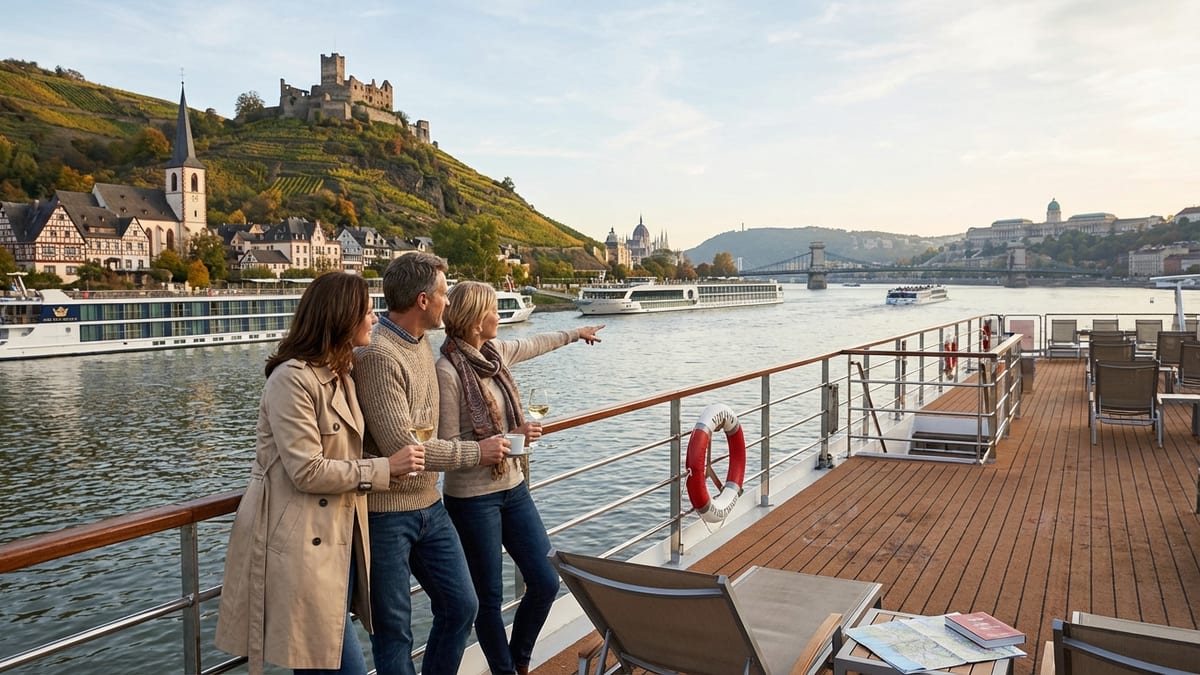
River cruising, long associated with retirees and special-occasion trips, is attracting a growing number of Generation X travelers, prompting cruise operators to rethink everything from pricing and onboard activities to itinerary design.
Get the latest news straight to your inbox!
Aging Up, But Also Skewing Younger
River cruising still skews older than mainstream ocean cruising, with many itineraries drawing passengers in their 60s and 70s. Industry data and recent surveys indicate that a majority of river cruise guests remain over 60, compared with an average age in the mid 50s for ocean cruises. Yet the average age on river itineraries is beginning to fall, as travelers in their late 40s and 50s book sailings on European and North American rivers.
Research compiled by travel and retirement-focused publications shows that the typical river cruise passenger age has dropped from the mid 60s before the pandemic to the mid 50s in the past few years. That shift places a significant portion of the market firmly in Generation X, many of whom are in their peak earning years and seeking higher-comfort but culturally rich trips.
Industry reports on cruise demographics further suggest that cruising in general is no longer dominated by retirees. Trade association data points to a broader trend in which the average cruise passenger in North America is now in their 40s, narrowing the gap between ocean and river cruising and opening the way for river brands to court Gen X with more contemporary offerings.
Why Gen X Is Ready for the River
Analysts point to several reasons why Generation X is increasingly drawn to river cruises. Many in this cohort are now empty nesters or traveling with older teens and young adults, making weeklong itineraries on the Rhine, Danube or Mississippi more feasible. River ships typically carry 100 to 200 guests, a scale that appeals to travelers who prefer quieter experiences and less crowding than they might find on large ocean vessels.
Published coverage in consumer travel outlets highlights how Gen X values time efficiency and cultural depth. River itineraries often include overnight stays or full-day calls in city centers, allowing guests to explore historic districts, local food scenes and museums without long transfers from distant ports. For travelers balancing work, family obligations and limited vacation days, the ability to see several countries or regions in one trip without constant unpacking is a strong draw.
Price and perception remain barriers, particularly for younger Gen X travelers still juggling mortgage payments and college costs. Trade press analyses note that while interest in river cruising is high among travelers under 55, many still view it as a premium purchase. In response, some lines have introduced shorter sailings, shoulder-season discounts and more inclusive pricing to make budgeting clearer and reduce sticker shock.
New Products Tailored to a Midlife Traveler
To capture the Gen X market, river cruise brands are gradually adapting ship hardware and onboard programming. Reports from industry publications and company announcements describe more flexible dining times, expanded casual venues and open-air spaces designed as social hubs rather than formal lounges. Fitness areas, yoga decks and bike storage have become more common, mirroring broader wellness trends in travel and aligning with Gen X expectations around staying active on vacation.
Itinerary planners are also rethinking shore experiences. Instead of only panoramic coach tours and classical concerts, brochures increasingly feature guided cycling along river paths, vineyard hikes, street food tastings, craft breweries and design-focused city walks. Many of these excursions are labeled as “active” or “discovery” options, targeting travelers who want to balance sightseeing with movement and local immersion.
Some lines are experimenting with themed departures that resonate strongly with Gen X interests, including 1990s music-focused sailings, culinary collaborations with well-known chefs, and trips timed to major sporting events or cultural festivals. Trade media coverage notes that these special itineraries can attract a slightly younger age profile than standard departures, while still fitting within the premium, small-ship positioning of river cruising.
Wellness, Work Flexibility and Post-Pandemic Priorities
The growth of remote and hybrid work has also made river cruising more accessible to Generation X professionals. Travel industry reports highlight a rise in “work from ship” behavior, where guests blend vacation time with a few working days on board. River vessels, which spend much of their time close to urban centers and cell coverage, can offer more reliable connectivity than some ocean routes, enabling Gen X passengers to extend trips without fully disconnecting from their jobs.
Wellness is another driver. Coverage in cruise and lifestyle media points to younger passengers pushing for more movement-focused itineraries and healthier menus. In response, several river lines now promote guided morning runs, small-group fitness classes and plant-forward dining options alongside traditional multicourse meals. For midlife travelers focused on longevity and balance, the combination of comfort, culture and light activity is emerging as a strong selling point.
Post-pandemic priorities around crowd avoidance and access to nature have further strengthened the appeal. River ships operate on inland waterways and typically visit smaller ports, which can feel more manageable to travelers who prefer open-air decks, riverside walking paths and lower passenger counts. Generation X travelers, who often remember earlier eras of mass tourism, may be especially receptive to this scaled-down model.
What It Means for the Future of River Cruising
As more Gen X travelers step aboard, river cruise operators are likely to accelerate changes that make ships and itineraries feel less tied to a traditional retiree image. Industry observers expect more investment in contemporary design, flexible public spaces and technology on board, along with expanded offerings in regions such as Southeast Asia, South America and the United States that can be reached on shorter flights from key source markets.
Travel advisor surveys show that interest in river cruising among clients in their 40s and 50s has risen over the past several booking seasons, even as older guests remain the core base. Advisors report more first-time river cruise inquiries from Gen X travelers who have already tried ocean cruising or independent land tours and are now seeking a different style of trip.
If current trends continue, Generation X could form a substantial share of river cruise passengers within the next decade, helping stabilize demand and encouraging lines to diversify product beyond classic European routes. For now, the demographic shift is gradual rather than dramatic, but the presence of more midlife travelers on board is already reshaping how river cruising is imagined and marketed.