


More news on this day
President Ferdinand Marcos Jr has ordered transport, security and emergency agencies to tighten safety measures and step up assistance for passengers who may be stranded as millions of Filipinos travel across the country for the Undas break from late October to early November.
Get the latest news straight to your inbox!
Heightened Security as Holiday Travel Peaks
Undas, the annual observance of All Saints’ Day on November 1 and All Souls’ Day on November 2, is one of the Philippines’ busiest travel periods, with government agencies projecting heavy passenger flows on major roads, in cemeteries, and across air and sea terminals nationwide. Publicly available information indicates that the National Capital Region Police Office is placing its forces on full alert from October 30 and deploying more than 13,000 officers across Metro Manila to monitor cemeteries, transport hubs and key thoroughfares.
Regional police commands are adopting similar measures. Reports from Davao Region indicate that around 6,000 police personnel are being assigned to cemeteries, churches, terminals, tourist sites and critical facilities, with restrictions on cemetery visiting hours and bans on overnight stays intended to manage crowds and reduce security risks.
The Bureau of Fire Protection is also reinforcing its presence in communities and high-traffic areas. Recent coverage notes that more than 24,000 fire personnel are being mobilized nationwide, reflecting concern over increased fire risks from both crowded public spaces and unattended homes while families travel for the long weekend.
These deployments are being coordinated with local governments and traffic management bodies to address congestion near major cemeteries and memorial parks, including sites in Metro Manila and regional centers where large crowds traditionally gather during the Undas period.
Maritime and Land Transport Under Stricter Watch
To prevent maritime accidents and address potential bottlenecks at ports, the Maritime Industry Authority has launched intensified safety monitoring ahead of its Oplan Undas 2026 operations. Beginning October 26, the agency is expanding inspections of vessels and crew documents and checking compliance with passenger capacity limits, life-saving equipment requirements and other safety regulations at ports around the country.
MARINA guidance shows that additional sailings may be authorized where necessary, subject to safety standards, to ease crowding at ports. Operations are being concentrated in busy routes including Binangonan and Talim Island in Rizal, Batangas, Lucena and Marinduque, where many travelers rely on short sea crossings to reach their hometowns or cemeteries.
On land, the Land Transportation Office has intensified inspections of buses at major Metro Manila terminals in coordination with “Oplan Biyaheng Ayos” for Undas 2026. Recent inspection data from Cubao bus terminals and the Parañaque Integrated Terminal Exchange indicate that nearly all checked units have been cleared, with defective buses ordered grounded until issues are addressed. The LTO’s focus includes roadworthiness, permits, and compliance with franchise conditions to reduce the chances of breakdowns that could leave passengers stranded along highways.
These transport efforts are supported by other agencies such as the Toll Regulatory Board, which has announced measures to keep all toll booths open and deploy patrol and towing units along expressways. Free towing to the nearest exit is being promoted as one way to quickly clear stalled vehicles that might trigger long delays during the peak Undas rush.
Emergency Hotlines and Assistance for Stranded Travelers
In line with Marcos’ directive to prioritize stranded passengers, the Department of Transportation has circulated a consolidated list of emergency hotlines for this year’s “Oplan Biyaheng Ayos: Undas 2026” campaign. Publicly available advisories list a central DOTr commuter hotline along with contact numbers for attached agencies responsible for aviation, rail, and road travel, aiming to give travelers a direct channel for reporting concerns or requesting assistance.
Media reports detail that aviation hotlines now cover the Civil Aviation Authority of the Philippines, the Civil Aeronautics Board, the Office for Transport Security and major airport operators including Manila’s airport authority and Clark International Airport. These lines are intended to help passengers coping with delayed or canceled flights, misplaced baggage or terminal congestion, especially in the event of bad weather or security incidents.
The hotline network complements help desks and public assistance centers that have been set up in bus terminals, seaports, airports and train stations. Information from multiple agencies shows that these desks are being staffed for extended hours to provide real-time information on schedules, route changes and rebooking options, as well as basic medical assistance for travelers affected by long queues and crowded facilities.
Officials in charge of these programs have used public briefings and advisories to encourage passengers to keep a record of these contact numbers, monitor agency announcements, and seek help early if journeys are disrupted, rather than waiting until queues or crowds become unmanageable.
Managing Crowd Surges at Airports and Terminals
Airport managers are preparing for one of the busiest Undas travel seasons in recent years. Published estimates from the Civil Aviation Authority of the Philippines indicate that around 4 million passengers could pass through airports under its supervision during the Undas period, compared with about 3.7 million during the same season a year earlier. This projection does not yet include traffic through Manila’s main gateway, which is managed separately.
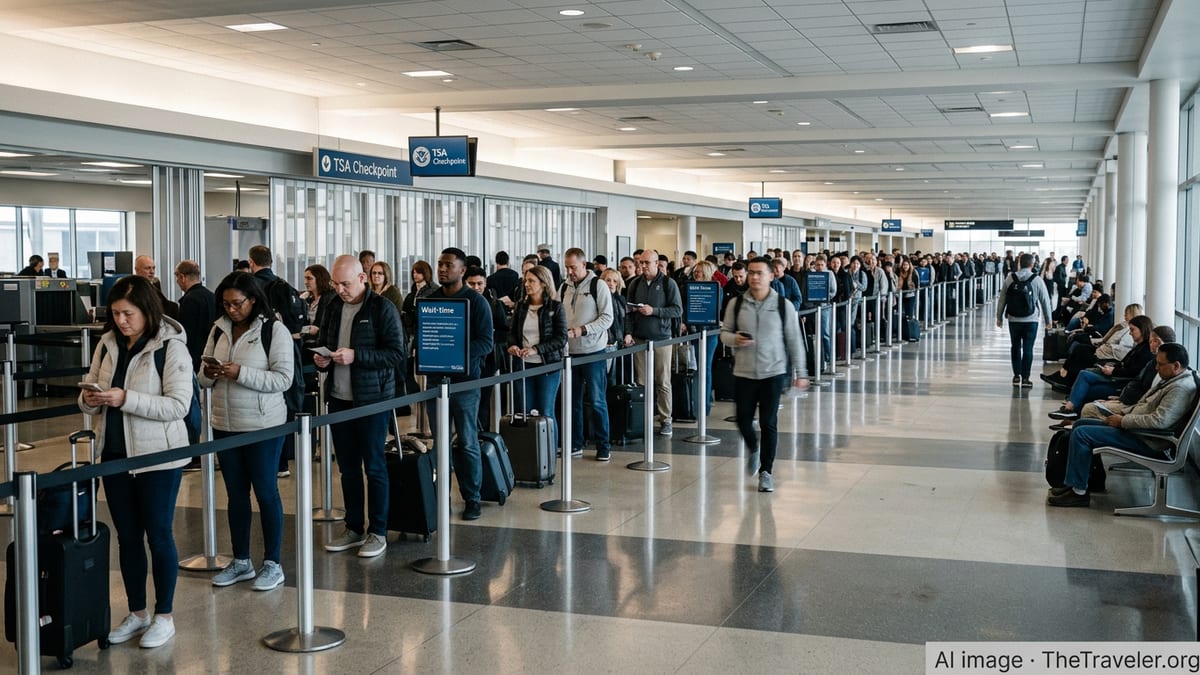
To cope with the surge, airport operators are introducing tighter security checks and deploying additional staff for passenger assistance. Public briefings describe more visible security personnel, reinforced baggage inspection, help desks in terminal halls and medical teams on standby. Travelers are being urged through advisories to arrive at least two hours before domestic departures and three hours before international flights to avoid missing flights due to longer lines at check in and security.
On the ground in Metro Manila, the Metropolitan Manila Development Authority is fielding more than 2,400 personnel for its own Oplan Undas operations. Traffic teams are being assigned to manage congestion around major bus terminals such as the Parañaque Integrated Terminal Exchange, Cubao in Quezon City and key pick up points along EDSA and in Caloocan, as well as near large cemeteries and memorial parks.
Tow trucks and ambulances are being pre-positioned to respond to stalled vehicles or minor collisions that might otherwise create hours-long gridlock for homebound travelers. The MMDA has also announced no-day-off and no-absence policies for key dates around November 1 and 2, signaling that full staffing is expected throughout the holiday window.
Guidance for Foreign and Domestic Travelers
For domestic travelers, publicly available advisories from transport and law enforcement agencies emphasize early planning, verification of schedules and close attention to weather bulletins. Passengers are encouraged to purchase tickets only from accredited channels, arrive well ahead of departure times and follow instructions at terminals and cemeteries, particularly regarding prohibited items and restricted areas.
Foreign visitors in the Philippines during Undas may experience crowded transport hubs, long queues at ticket counters and security checkpoints, and heavier traffic around cemeteries and churches. International travel advisories describing conditions in parts of the country highlight that security measures can tighten further in regions where authorities monitor elevated threats, which can lead to additional screening or route adjustments.
Government guidance suggests that travelers keep identification documents on hand, allow extra time to move between airports, bus terminals and seaports, and monitor local news and official social media channels for real-time updates. Those heading to more remote provinces are particularly advised to check for possible sea travel suspensions or road closures that could leave them temporarily stranded.
While Undas remains a deeply rooted cultural and religious observance, this year’s preparations show a strong emphasis on security and contingency support. Marcos’ instructions to prioritize stranded passengers have reinforced the focus on visible assistance throughout the transport network, from hotline access and on-site help desks to expanded patrols and inspection teams aiming to keep journeys as safe and orderly as possible.