


More news on this day
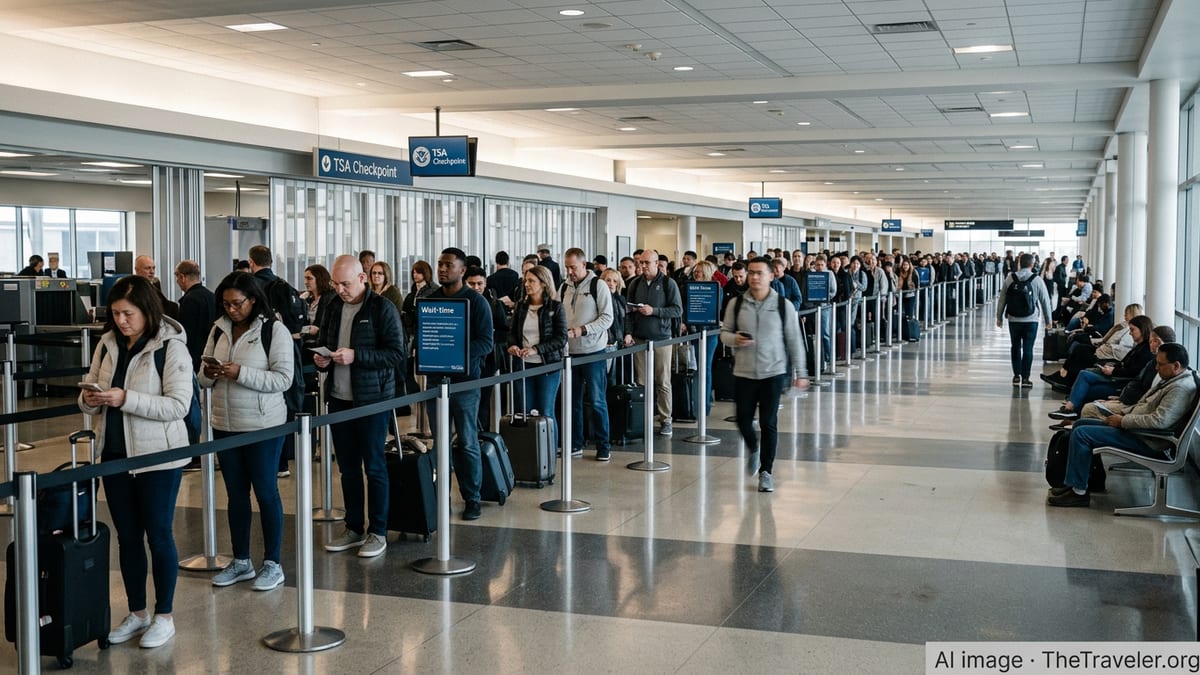
Passengers at London Stansted Airport faced long delays, baggage disruption and reports of two-hour security queues after a power surge knocked out key systems over the weekend, disrupting hundreds of flights at one of the UK’s busiest airports.
Get the latest news straight to your inbox!
Power surge hits Essex hub at height of weekend traffic
According to published coverage, the disruption began on Sunday 25 October 2026, when a power surge in the Stansted area affected the airport’s systems. Reports indicate that security screening and baggage handling were among the worst-hit operations, immediately slowing the flow of passengers through the terminal.
Coverage from UK broadcasters describes a cascading operational problem in the hours after the surge, with check-in, security and departures all affected as electronic systems were restarted and safety checks carried out. Publicly available information shows that by mid-afternoon, images circulating on social media depicted departure halls filled with static lines of passengers and manual checks taking place at some control points.
Data cited in domestic news reports indicates that around 250 flights were delayed over the course of the day, with several cancellations as airlines tried to reset schedules. While the bulk of services continued to operate, the knock-on effect of aircraft and crew being in the wrong place contributed to extended waits for passengers both in the terminal and on aircraft waiting for stand space.
By Sunday evening, statements shared by the airport on its public channels indicated that core systems had been restored, but passengers were advised to leave extra time for their journeys as staff worked through the backlog of delayed flights and congested security queues.
Queues stretch through terminal as travellers report two-hour waits
Accounts compiled by UK media and travel outlets describe extensive queues forming throughout the day as the power problems rippled across Stansted’s infrastructure. Travellers posting on social platforms spoke of “total systemic collapse,” with some claiming to have waited close to two hours to clear security alone.
According to coverage collated by national and regional outlets, lines for both security and passport control extended beyond their usual areas, snaking back into departure halls and even up stairwells leading to the main screening zone. Some passengers reported missing flights despite arriving at the airport in line with recommended check-in times, while others described scenes of crowding and confusion as staff attempted to manage the flow.
Reports from travel news services indicate that luggage belts were intermittently unavailable, forcing ground teams to handle bags manually or hold them in secure areas until systems came back online. This contributed to further congestion around check-in zones and arrival halls, as passengers waited for information about their baggage.
Images shared on social media and reproduced by news organisations showed dense crowds in the central concourse, with limited seating available for those stuck in the queues. While no serious safety incidents have been highlighted in published coverage so far, the experience has reignited debate about how well major UK airports are equipped to respond to sudden technical failures.
Airport says systems restored as criticism focuses on resilience
In statements carried by national news outlets, the airport said that its systems were back in service by Sunday evening and that staff were working to support passengers through the remainder of the day’s schedule. Publicly available information from airport channels emphasised that the source of the disruption was an external power surge that briefly affected both the airport and the surrounding area.
Despite the restoration of systems, the episode has prompted fresh questions about electrical redundancy and contingency planning at large aviation hubs. Commentators in UK aviation coverage have noted that Stansted, as London’s third-busiest airport by passenger numbers, plays a critical role in short-haul and low-cost networks, making any prolonged outage immediately visible across airline timetables.
Travel industry analysts quoted in recent reporting have highlighted that airports rely on complex, interlinked digital systems for everything from security screening to baggage sortation and aircraft stand allocation. When those systems are disrupted, queues and delays can build within minutes, and recovery can take many hours even after the initial technical issue is fixed.
The power surge at Stansted follows other high-profile incidents at UK airports in recent years involving electrical or systems failures. Sector observers suggest that these events are likely to fuel ongoing discussions about regulatory standards for resilience across critical transport infrastructure, including minimum backup capacity and response times for power-related interruptions.
Advice for passengers travelling through UK airports after outages
For travellers with upcoming flights from Stansted and other major UK airports, recent events underline the value of allowing additional time when infrastructure problems are reported. Travel information services and airline updates indicate that, during significant disruption, passengers who arrive earlier than the standard recommendation are more likely to clear slower security and check-in processes in time for departure.
Airlines operating from Stansted commonly advise passengers on their public channels to monitor flight status closely on the day of travel, as schedules can change rapidly when technical failures or weather events occur. When large-scale disruption hits, carriers may consolidate flights, rebook customers onto later services or reroute aircraft, and these changes are generally communicated first through airline apps, text alerts and departure boards at the airport.
Consumer groups featured in UK travel coverage also stress the importance of understanding airline policies on delays and cancellations. Under existing UK and European air passenger rules, travellers on many routes may be entitled to rebooking, care such as refreshments and hotel accommodation, or in some cases financial compensation, depending on the cause and length of the disruption and the airline involved.
In the aftermath of a widespread outage such as the Stansted power surge, passengers are encouraged by travel advisers to keep boarding passes, receipts and any written communication from airlines or tour operators. These documents can be useful when making claims or complaints after the event, particularly if additional expenses were incurred while waiting for alternative flights.
Wider implications for peak-season travel and airport planning
The Stansted incident arrives as UK airports and airlines prepare for the next wave of peak holiday periods, with autumn half-term and winter breaks placing additional pressure on already busy terminals. Aviation industry reports note that even short-lived technical issues can have an outsized impact when passenger volumes are high and spare capacity in schedules is limited.
Infrastructure specialists commenting in public forums argue that robust backup power arrangements and regular stress testing of critical systems are becoming increasingly important as passenger numbers continue to grow. While full technical details of the Stansted power surge have not been set out in public documentation, recent policy discussions in the UK have called for clearer national standards around resilience at key transport hubs.
For travellers, the episode serves as a reminder that airport operations can be vulnerable to factors beyond weather and industrial action. From power interruptions to air traffic control issues, a range of technical challenges can quickly alter the course of a journey, even when flights themselves are capable of operating.
As investigations and operational reviews proceed, Stansted’s experience is likely to be closely watched by other airports across the UK and Europe. How quickly lessons are translated into upgraded systems, revised contingency plans and clearer passenger-facing information will help determine whether future power-related disruptions result in fewer images of two-hour queues snaking through crowded terminals.