


More news on this day
Hundreds of passengers faced significant disruption as 228 flights were delayed and two cancelled across Germany, impacting services by Lufthansa, easyJet, KLM and British Airways at key hubs in Berlin, Munich, Frankfurt, Hamburg and Stuttgart.
Get the latest news straight to your inbox!
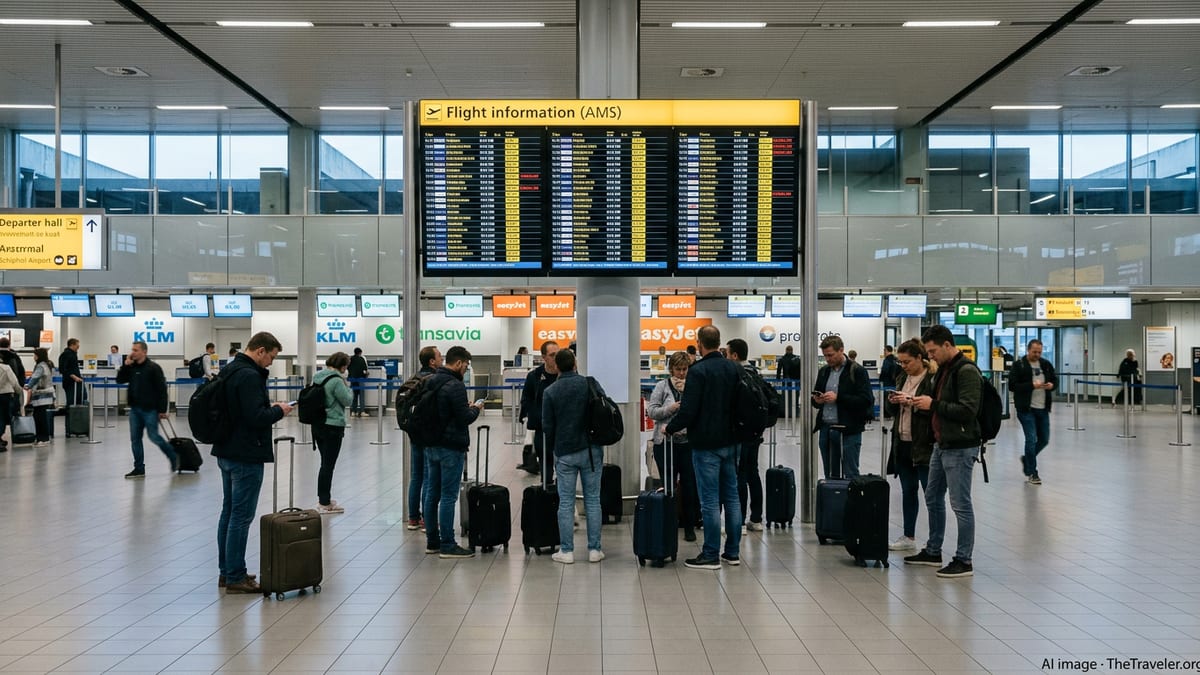
Delays Ripple Across Germany’s Busiest Airports
Travelers moving through Germany’s key aviation gateways encountered long queues, missed connections and reshuffled itineraries as delays stacked up at Berlin Brandenburg, Munich, Frankfurt, Hamburg and Stuttgart. Publicly available flight-tracking data indicated that 228 flights operated by major European carriers were affected, with departure and arrival boards showing rolling delays throughout the day.
The disruption hit a mix of domestic and international routes, amplifying the impact beyond Germany’s borders. Frankfurt and Munich, both major hubs for European and intercontinental connections, saw knock-on effects as delayed inbound aircraft arrived late for subsequent rotations. Hamburg, Berlin and Stuttgart experienced localized congestion as aircraft and crews were repositioned.
Across the network, passengers reported wait times stretching into several hours, with many required to rebook or reroute via alternative hubs. Junction airports such as Amsterdam, London and Paris also experienced residual pressure as travelers sought to bypass the heaviest disruption within Germany.
Lufthansa Feels Pressure at Frankfurt and Munich
Lufthansa, Germany’s largest carrier and the dominant operator at Frankfurt and Munich, appeared to shoulder a significant share of the disruption. These hubs function as central points in the airline’s network, meaning delays to early departures can quickly cascade through the day’s schedule.
According to published operational summaries, earlier episodes of disruption in 2026 linked to strikes and weather demonstrated how quickly flight programs at Frankfurt and Munich can unravel when capacity is reduced or turnarounds are slowed. Recent experience has shown that even a limited number of cancellations can trigger widespread missed connections, as passengers on long-haul itineraries rely on tightly timed short-haul feeders.
At the same time, publicly accessible guidance from Lufthansa emphasizes that when flights are delayed or cancelled at short notice, customers should receive information about rebooking options, as well as access to care such as meal vouchers or hotel accommodation when waiting times become extended. Travelers passing through Frankfurt and Munich during the latest disruption were encouraged to monitor digital channels and airport departure boards for up-to-date status changes.
easyJet, KLM and British Airways Confront Knock-On Delays
The disruption did not remain confined to a single airline. easyJet, KLM and British Airways also logged delays on services touching German airports, reflecting how interconnected European air traffic has become. Many of these flights link Germany to major hubs including Amsterdam Schiphol and London Heathrow, where schedules are already tightly packed.
Recent coverage of European flight patterns in 2026 has highlighted repeated episodes of strain caused by a combination of weather events, air traffic control constraints and staffing shortfalls. When one or more of these factors emerge on a busy travel day, carriers such as KLM, easyJet and British Airways can experience rolling delays as aircraft arrive late from previous sectors.
In the latest wave of disruption, delays at German airports appeared to feed into wider congestion across Europe. Flights arriving late into Amsterdam or London from Berlin, Hamburg, Munich or Frankfurt often turned around with shortened ground times, leaving little margin for further irregularities. For passengers, this translated into late evening arrivals and, in some cases, missed onward connections or forced overnight stays.
Stuttgart and Northern Gateways See Growing Strain
While Frankfurt and Munich typically draw the most attention during major disruption, the latest figures show that secondary hubs such as Stuttgart and Hamburg are increasingly exposed. Stuttgart functions as a regional gateway for both business and leisure traffic, and growing low-cost operations, including services historically associated with easyJet, have increased the airport’s sensitivity to network-wide challenges.
Hamburg, a key point for travel within northern Germany and to destinations across the United Kingdom and the Netherlands, is served by carriers including Lufthansa, British Airways, KLM and easyJet. When any of these airlines encounters schedule pressure on its wider European network, Hamburg’s departure board quickly reflects the strain, with minor delays building up over the course of the day.
Berlin Brandenburg, still in a phase of consolidation and growth after replacing the former Tegel and Schönefeld airports, has similarly seen that operational issues at other hubs can rapidly spill over. Delayed arrivals from major bases such as Amsterdam or London can lead to late evening departures out of Berlin, pushing aircraft and crew duty times close to their limits and forcing additional timetable adjustments.
What Passengers Can Expect Under European Rules
The latest wave of disruption has renewed attention on passenger protections under European Union regulations. Under EC 261, travelers on flights departing from EU airports, or operated by EU carriers, may be entitled to compensation when delays or cancellations meet certain criteria and are not caused by extraordinary circumstances such as severe weather or airspace closures.
Publicly available consumer guidance notes that passengers facing long delays are typically entitled to care, including meals, refreshments and communication assistance, once waiting times exceed specific thresholds tied to flight distance. When delays extend overnight, airlines are generally expected to arrange accommodation and transport between the airport and hotel.
For cancellations and extensive delays on routes within or from Germany, travelers are advised in publicly accessible resources to retain receipts for additional expenses, keep boarding passes and booking references, and file claims directly with the operating airline. Specialist claims services and consumer organizations in Europe also provide guidance on when and how to escalate cases if passengers believe compensation has been unfairly declined.
With 228 delays and two cancellations recorded across major German hubs in a short window, the latest episode underscores how vulnerable tightly scheduled networks remain to operational shocks. For travelers, checking flight status frequently, considering longer connection times and understanding basic rights under EU regulations remain key strategies for navigating an increasingly unpredictable air travel landscape.