


More news on this day
A family expecting travel insurance to rescue their holiday costs after a canceled flight instead received a denial letter, drawing renewed attention to how policies treat airline disruptions, refunds and fine print around “covered reasons.”
Get the latest news straight to your inbox!
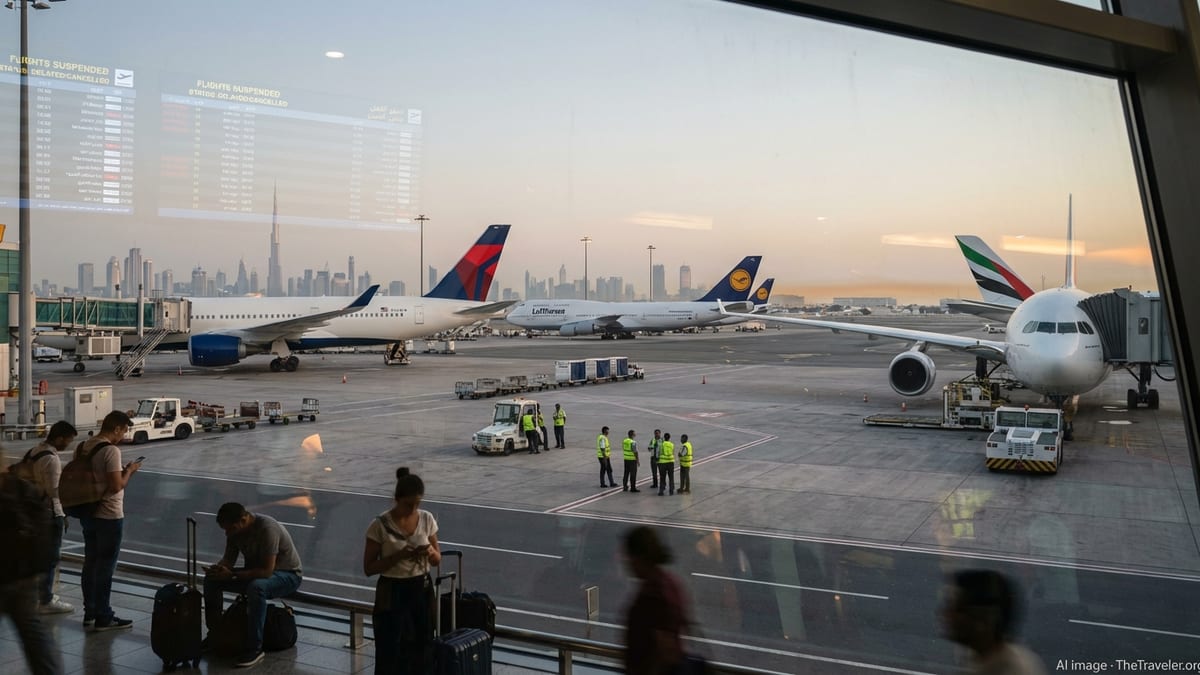
When a Canceled Flight Is Not a Covered Reason
Consumer case reports over the past year describe a recurring pattern. Families whose flights were canceled due to weather, technical issues or air traffic control constraints assumed their standalone or credit card travel insurance would reimburse new tickets, missed nights and prepaid activities. Instead, many discovered that a canceled flight by itself did not qualify as a covered reason under their policy’s trip cancellation section.
Published guidance from major insurers explains that trip cancellation benefits are usually limited to specific events such as serious illness, injury, death in the immediate family, jury duty or severe damage to a traveler’s home. Flight disruptions may fall instead under trip delay or trip interruption provisions, which often cap payouts and restrict what costs are eligible. If a policy does not list airline schedule changes or operational cancellations as a covered cause for full trip cancellation, a claim for the entire value of a family holiday is likely to be refused.
Travel advocacy columns and consumer news coverage highlight families surprised to learn that insurance viewed their airline problem as an inconvenience rather than a qualifying catastrophe. In several documented cases, travelers were rebooked by the carrier but chose to arrange their own alternative flights, expecting insurance to reimburse the higher last minute fares. Insurers later rejected those claims on the ground that the original flights were ultimately transported or that the traveler made voluntary changes.
Policy documents also distinguish between cancellations before departure and disruptions after a trip has begun. If a family’s outbound flight is canceled and the airline offers a refund or credit, many plans treat that as resolving the loss, leaving little room for a separate insurance payout unless there are additional, clearly covered expenses.
Refunds, Credits and the “Nonrefundable” Trap
A key factor in the family’s denial, according to similar cases analyzed in recent complaint summaries, is whether any portion of the trip cost was ultimately refundable. Modern travel insurance products are generally structured to reimburse nonrefundable, prepaid expenses that cannot be recovered from airlines, cruise lines, hotels or tour operators. If a carrier issues cash back, a voucher or future flight credit after canceling a flight, insurers typically reduce or completely offset any benefits.
Recent legal filings and consumer advisories emphasize that many policies treat airline credits as a refund, even if families view those credits as burdensome or hard to use. In disputes involving large carriers and their insurance partners, travelers argued that credits were not equivalent to cash when schedules or personal circumstances later changed. Insurers, however, pointed to policy language that defines reimbursable loss as what remains after all supplier refunds, including vouchers, have been applied.
In complaint digests released this spring, regulators noted examples where families canceled trips before an airline formally scrubbed their flights, then sought insurance payouts on top of later refunds or waivers. Some insurers rejected those claims outright, asserting that the cancellation decision preceded the triggering event or that the policyholder had already been made whole by the airline. In one summarized case, a couple’s claim was initially denied on the basis that they had not yet suffered a financial loss once an airline credit was factored in, prompting a partial reconsideration only after further challenge.
These outcomes illustrate why families who accept refunds or change-fee waivers from airlines sometimes find that they have unintentionally erased the very losses travel insurance was designed to cover.
Documentation Gaps and Policy Fine Print
Beyond questions of covered reasons and refunds, documentation often plays a central role in claim denials. Publicly available case studies from consumer advocates show insurers declining flight cancellation claims where families failed to provide an airline cancellation notice, detailed itineraries, receipts for rebooked travel or proof that compensation was not available directly from the carrier.
In several recent disputes involving premium credit card travel protections, travelers said they believed the flight cancellation alone was enough. When they later filed claims without demonstrating that they had first pursued compensation from the airline, administrators rejected or delayed payments. Claim files reviewed in these cases show requests for additional evidence such as written confirmation of the reason code for the cancellation, records of rebooking offers and breakdowns of which portions of the trip were already refunded.
Fine print around timing also matters. Guidance published by insurers stresses that policies may require customers to purchase coverage before a foreseeable risk emerges, and to file claims promptly after an incident. If a family buys insurance after a significant storm has been forecast, or submits paperwork months after a canceled flight, their claim can be rejected as related to a known event or as out of time, even if the disruption itself appears legitimate.
Other technicalities that frequently surface in family cases include pre existing medical conditions, limitations on which relatives qualify as “immediate family,” and exclusions on certain types of tours or activities. When a cancellation stems indirectly from one of these excluded circumstances, insurers may deny the claim even if the immediate trigger appeared to be a flight problem.
What the Latest Complaints Reveal for Future Travelers
Recent complaint overviews and class action filings depict a marketplace where families increasingly purchase travel insurance or rely on built in card benefits, yet do not always receive the protection they expect when flights are canceled. Analysts point to aggressive marketing emphasizing peace of mind, contrasted with highly specific, sometimes narrow lists of covered reasons in the underlying contracts.
For travelers planning family trips, the emerging pattern offers several lessons. First, a canceled flight alone does not guarantee that an insurer will reimburse an entire vacation; coverage depends on how the event fits within defined cancellation, interruption or delay benefits. Second, accepting airline refunds or credits can significantly reduce or eliminate the losses that insurance is designed to cover. Third, comprehensive documentation and a clear record of efforts to work with the airline are increasingly important in persuading insurers that a remaining, unreimbursed loss truly exists.
Consumer advocates argue that these denied claims highlight the need for clearer disclosures at the point of sale, particularly when airlines and online agencies bundle optional insurance with ticket purchases. Until such changes take root, families booking complex itineraries are being urged, in published guidance, to study policy wording before checkout, confirm how flight cancellations are classified and keep meticulous records if disruptions occur.