


More news on this day
Ghana’s aviation regulator has opened an investigation into allegations that KLM mistreated Accra-bound passengers in Amsterdam after a disrupted flight left travelers stranded and complaining of poor treatment.
Get the latest news straight to your inbox!
Viral videos trigger formal inquiry in Accra
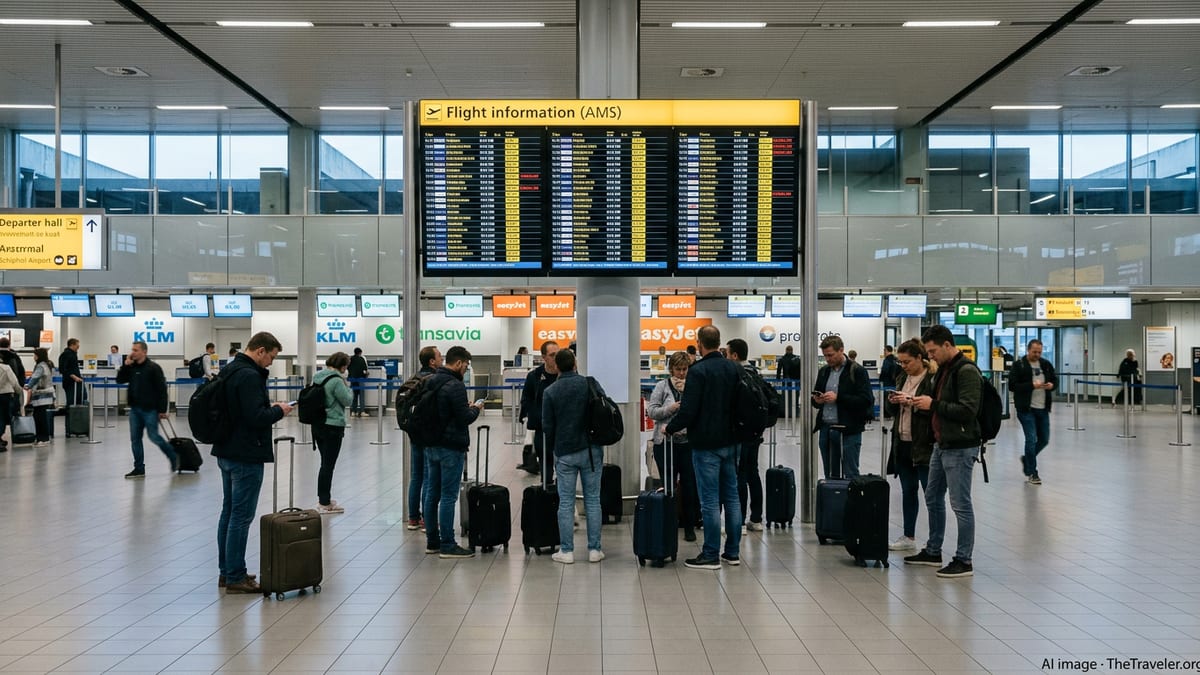
According to published coverage in Ghanaian media, the Ghana Civil Aviation Authority has initiated a probe after videos circulated on social platforms showing visibly frustrated passengers who were due to travel from Amsterdam to Accra with KLM. The travelers were reported to have been stranded for hours following disruption to their scheduled service.
Reports indicate that the incident concerned passengers booked on a KLM flight from Amsterdam’s Schiphol Airport to Ghana’s capital, who complained of inadequate information, poor handling and a lack of timely support as their travel plans unraveled. The material shared online appears to show travelers expressing anger over how they were left waiting and the conditions they experienced during the delay.
Publicly available information shows that the regulator has framed the matter as both a consumer protection and service quality issue, signaling that investigators will look beyond the technical cause of the disruption to examine how passengers were managed while they were unable to travel.
The incident has quickly become a focus of debate in Ghana, where direct links to European hubs are viewed as strategically important for business, tourism and the large diaspora, and where treatment of passengers by international carriers is closely watched.
Ghana’s regulator highlights passenger rights
In statements cited by local news outlets, the Ghana Civil Aviation Authority has stressed that it views passenger welfare as central to its mandate. The authority has in recent months promoted new tools, including an online passenger complaints portal, that are designed to make it easier for travelers using Ghanaian airports to seek redress when flights are disrupted or service falls short.
Public information about that portal describes it as a one stop channel where travelers can submit complaints, upload supporting documents and track the progress of their cases. The launch earlier this year was framed as part of a wider effort to strengthen consumer protection in the country’s fast developing aviation market.
The current probe into KLM’s handling of the Amsterdam disruption is therefore being viewed by analysts as an early test of how far Ghanaian authorities will go in enforcing those consumer standards, particularly when large foreign airlines are involved.
Observers in Accra note that the regulator has in the past worked closely with airlines on safety and operational issues, but there is growing public expectation that it will also assert itself more visibly when passengers raise concerns about service and communication during major delays.
Scrutiny on KLM after recent operational incidents
The investigation comes at a time when KLM’s operations on the Accra Amsterdam route have already been under public scrutiny. Earlier in June, a separate KLM flight from the Ghanaian capital to the Dutch hub returned to Accra shortly after departure following reports of a technical issue, an event that also drew media attention even though passengers disembarked safely.
While that earlier incident centered on airborne safety and aircraft performance, the latest controversy in Amsterdam focuses squarely on customer experience on the ground. Ghanaian commentators are linking the two episodes as part of a wider pattern of disruption affecting long haul travel and the pressure it places on airlines to manage stranded passengers humanely and transparently.
Published coverage of European flight disruptions more broadly shows that KLM, like many carriers operating through Schiphol, has faced a series of operational challenges in recent seasons, ranging from technical issues to congestion and weather related disruptions. Passenger groups argue that these pressures make it even more important for airlines to have clear contingency plans for accommodation, rebooking and communication when flights cannot operate as planned.
For frequent travelers between Ghana and Europe, the Amsterdam route is a key gateway, and episodes that leave passengers stranded or confused tend to resonate strongly with the traveling public and local media.
Legal and regulatory frameworks in play
The inquiry into the treatment of Accra bound passengers in Amsterdam is expected to engage multiple layers of aviation regulation. Within the European Union, rules on passenger compensation and assistance require airlines to provide care and, in many cases, financial redress when long delays or cancellations occur, depending on the circumstances and cause of the disruption.
Separately, Ghana’s own aviation legislation and consumer protection policies empower the national regulator to review how airlines serving the country treat passengers whose journeys originate or terminate in Ghana. Publicly available court records and regulatory documents in Ghana show that consumer disputes involving international airlines have previously reached local courts, underlining that passengers have avenues to challenge perceived mistreatment.
Aviation specialists note that any findings from the current probe could lead to recommendations for procedural changes, administrative sanctions or stronger enforcement of existing rules, depending on what investigators determine about the events in Amsterdam and how passengers were supported while they waited.
The case also sits within a broader international conversation about airline accountability, as regulators and courts in different jurisdictions seek to clarify where responsibility lies when disruptions occur outside a passenger’s home country but affect their ability to complete a journey.
Passenger trust and Ghana’s hub ambitions
The dispute touches on wider ambitions to position Ghana as a preferred aviation hub in West Africa. Official policy documents and recent public speeches by transport authorities emphasize that reliable service, robust consumer protection and predictable handling of disruptions are seen as essential to attracting both airlines and travelers.
Travel industry analysts in Accra suggest that how the KLM case is handled could influence perceptions of the Ghanaian market among global carriers. A firm but transparent approach, they argue, may reassure passengers that their concerns will be taken seriously, without undermining the country’s reputation as a cooperative partner for international airlines.
For passengers, the Amsterdam incident has renewed interest in understanding their rights when flights are delayed, cancelled or significantly changed. Consumer advocates are drawing attention to existing complaint channels and encouraging travelers to document experiences carefully, retain receipts and seek formal recourse where appropriate.
As the investigation proceeds, KLM continues to operate its regular Accra Amsterdam services, and demand for travel on the route remains strong. The outcome of the probe is expected to influence future discussions about how airlines prepare for and respond to major disruptions affecting Ghanaian passengers, both at home and at overseas hubs such as Amsterdam.