


The Grand Bazaar in Istanbul is one of the world’s oldest and largest covered markets, with more than 4,000 shops spread across some 60 streets and attracting hundreds of thousands of visitors on a busy day. For many travelers it is a must-see. Yet for others, the touts, crowds, aggressive bargaining and flood of mass-produced souvenirs can make it a deeply unpleasant stop. Not every traveler will enjoy the Grand Bazaar, and some are better off skipping it entirely.
Get the latest updates straight to your inbox!
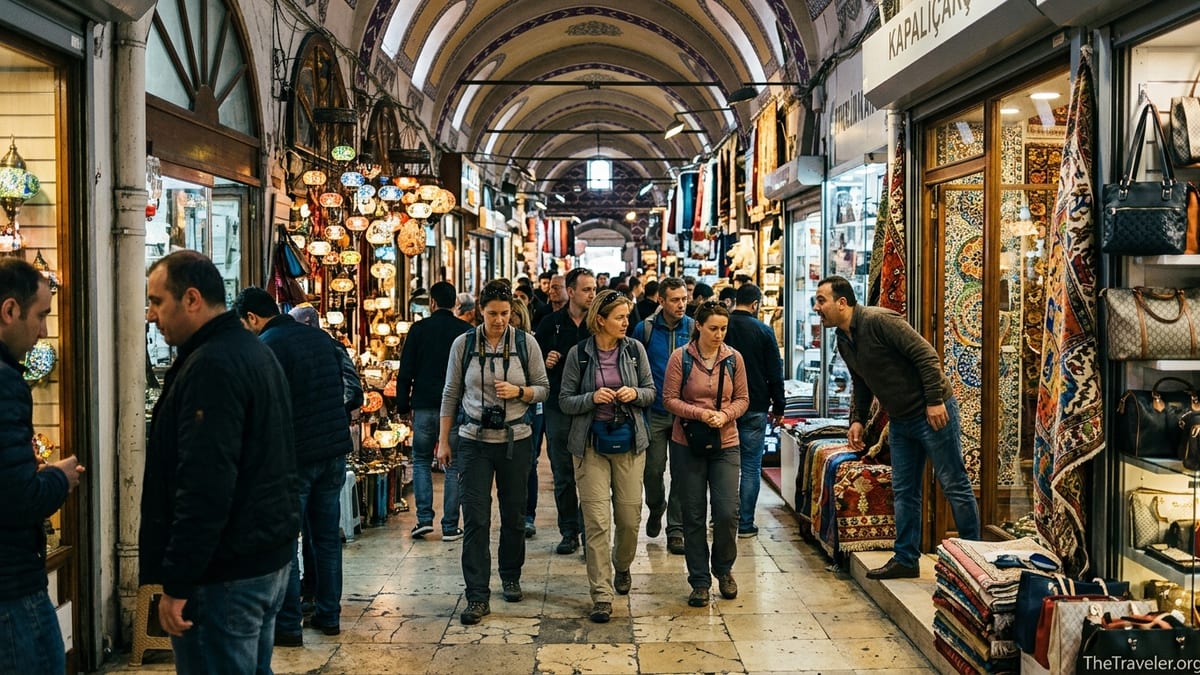
Understanding What the Grand Bazaar Really Is Today
Romantic guidebook descriptions still talk about caravan traders and Ottoman artisans, and there is a kernel of truth in that history. The Grand Bazaar dates back to the 15th century and has long been a hub of jewelry, textiles and carpets. Walk through its main arteries today and you will still find laneways signed for goldsmiths, leather sellers and spice merchants. Official visitor information notes more than 4,000 shops and around 61 covered streets under one vast, vaulted roof, with opening hours that typically run from about 9 a.m. to 7 p.m., Monday to Saturday, and closure on Sundays and major holidays.
On the ground in 2026, however, much of the bazaar has shifted toward high-volume tourism. Local and international reporting in recent years has highlighted how rows of stalls now sell imitation luxury handbags, “designer” perfumes and logo-heavy T-shirts where traditional workshops once stood. A visitor walking in from the Beyazıt or Nuruosmaniye gates is likely to pass displays of fake designer sneakers and logo belts before they see a single hand-knotted rug. There are still reputable merchants selling quality goods, including long-established carpet dealers and jewelers, but you need time, research and a high tolerance for sales patter to find them.
Prices in the bazaar also tend to start high. It is normal for shopkeepers to quote first prices several times higher than what they are willing to accept, especially for carpets, lamps, ceramics and leather jackets. Travelers sharing recent experiences often describe opening offers such as 7,000 Turkish lira for a small decorative rug, 1,500 lira for a pair of basic leather sandals, or 600 lira for a cotton scarf that can be found in other neighborhoods for a fraction of that. Bargaining is expected, and some find the negotiation fun. Others find it exhausting or stressful. Understanding this reality is the first step in deciding whether the Grand Bazaar suits you.
The bazaar is also a sensory overload. On a summer afternoon, the combination of narrow aisles, loud shop calls, bright lights, the smell of leather and spices and the press of tour groups can be intense. Families with young children, older travelers who dislike crowds and anyone sensitive to noise or confined spaces may find a short visit more than enough.
Travelers Who Dislike Pressure and Hard Selling
If you prefer to browse quietly and make purchases without commentary, the Grand Bazaar can feel relentless. Shopkeepers frequently call out as you pass, offering “special price,” “genuine leather” or “best carpet in Istanbul.” Many will invite you in for tea, a gesture that is both a genuine part of Turkish hospitality and a classic opening move for a long sales conversation. Once you are seated with a glass of hot çay in hand, it becomes socially harder to leave without buying anything, especially if you are shown a series of carpets or jewelry pieces accompanied by detailed stories about their origin.
Recent traveler accounts describe a typical carpet-shop sequence. A friendly man near Sultanahmet Square or the bazaar entrance asks where you are from, says he has a cousin in your city, and offers to “show you a short cut” or “the best view.” Within a few minutes, you are in his relative’s carpet shop. After tea and a presentation on Turkish weaving styles, a small wool rug might be quoted at the equivalent of several thousand U.S. dollars. The discounts start quickly: 30 percent off, 50 percent off, “manager’s price,” “cash price.” For travelers unaccustomed to this style of negotiation, the experience can feel more like psychological pressure than friendly bargaining.
This atmosphere is particularly challenging for conflict-averse travelers. If you find it difficult to say no repeatedly, or you tend to feel guilty when you decline a purchase after someone has “spent time” with you, you may leave the bazaar having spent substantially more than planned. For example, a couple intending only to look at rugs might walk out with a small carpet on a credit card installment plan after an hour of insistent selling, only to regret the purchase later when they compare prices in other parts of Turkey.
Women traveling alone sometimes report feeling especially targeted by persistent sales talk, compliments and invitations to drink tea or visit a shop “just to look.” While many encounters are harmless, the cumulative effect of constant attention can make the bazaar feel more tiring than enjoyable. If this kind of environment is likely to ruin your day, consider keeping your visit brief or skipping it and focusing on more relaxed neighborhoods.
Visitors on Tight Budgets or Who Hate Haggling
The Grand Bazaar is not the place to go if you are traveling on a strict budget and dislike arguing over prices. Almost everything except small packaged goods is negotiable. The starting price for a pair of basic cotton trousers might be 900 lira, with a final sale price of 400 lira after firm bargaining. A set of colorful mosaic lamps could begin at the equivalent of 250 U.S. dollars and settle closer to 120, if you stand your ground. Tourists who accept first offers routinely pay top-tier prices compared with what locals might pay for similar quality elsewhere.
For travelers who want clear, transparent pricing, this system can be deeply frustrating. Supermarkets such as Migros and CarrefourSA, shopping streets like Istiklal Caddesi, and modern malls like Cevahir or Kanyon provide fixed prices on everything from clothing to electronics. Even in more atmospheric areas, such as the artisan lanes of Balat or the boutiques in Karaköy, many shops now tag items with no-bargain pricing. If you are used to that clarity, hearing five different prices for the same style of lamp in the space of 20 minutes can make you feel tricked rather than entertained.
There is also the risk of currency confusion. Prices are usually given in Turkish lira, but some carpet and jewelry sellers quote in euros or dollars, and card machines can be set to charge in foreign currency with commissions built into the rate. A visitor might agree to pay 10,000 lira for a carpet only to discover on their statement that their card was charged the euro equivalent at a poor conversion rate. If managing exchange rates and inspecting every receipt closely sounds stressful, that is another reason to think twice about serious shopping at the Grand Bazaar.
If you simply want a few modest souvenirs, such as evil-eye charms, fridge magnets or simple scarves, you will often find better value in smaller neighborhood markets, local cooperatives, or museum shops where prices are printed and modest. In those settings, a magnet might cost 30 to 50 lira and a lightweight scarf 200 to 300 lira, with no expectation of bargaining.
Shoppers Seeking Authentic, Artisanal or Ethically Made Goods
One of the more disappointing realities for some visitors is the high volume of mass-produced and counterfeit goods inside the Grand Bazaar. Reports from Turkish and international media in recent seasons note the spread of shops selling imitation designer perfume, logo-heavy handbags and sneakers claiming to be European luxury brands, all at prices far below what real items would cost. Rows of stalls can display identical “handmade” ceramic bowls or lamps that are actually factory-produced. The atmosphere may still be visually impressive, but travelers hoping to meet artisans at their workbench are often underwhelmed.
This does not mean there are no authentic crafts left. There are still a handful of workshops where you may see a silversmith hammering filigree or a calligrapher personalizing paper with Ottoman-style script. Some long-established carpet dealers can document the village origin of their pieces and distinguish between hand-knotted and machine-made rugs. However, these reputable specialists are scattered, and their rents are high. Prices for genuine, handwoven carpets and high-quality jewelry in these shops can be significant, which makes sense when you factor in the work involved, but it may surprise visitors who thought the bazaar would be a place for bargains.
If ethical production and authenticity matter deeply to you, alternatives exist around Istanbul. In the conservative Fatih district, some family-run textile shops still sell high-quality Turkish cotton and wool without aggressive tactics. In Kadıköy on the Asian side, small design studios sell locally made clothing, jewelry and ceramics with clear labeling. Government-backed handicraft centers and museum shops sometimes carry pieces from regional cooperatives, like handwoven kilims from Anatolian villages, with clear information about origin and technique.
Travelers who care about supporting artisans should be aware that buying cheap “luxury” copies at the Grand Bazaar does not help traditional crafts survive. In fact, local craftspeople have publicly complained that the flood of counterfeit logos and imported trinkets makes it harder for them to pay rent. If your goal is to bring home something distinctly Turkish and fairly made, it might be more efficient to research a few specialist shops outside the bazaar and spend your time there instead.
Crowd-Averse, Mobility-Challenged or Sensory-Sensitive Travelers
The Grand Bazaar’s physical layout can be challenging. The complex is a historic structure, with uneven stone floors, steps between different lanes and occasional low arches. While some entrances are level and a number of main corridors have been improved, the bazaar is not as accessible as a modern shopping center. Travelers using wheelchairs, walkers or strollers may find maneuvering through narrow, crowded aisles difficult, especially around busy gates and jewelry streets where displays spill into the walkway.
At peak times, such as midday on a Saturday in spring, the flow of people can be almost continuous. Tour groups cluster around guides holding flags aloft, local shoppers weave through the crowd, and delivery trolleys push past carrying boxes of goods. People stop suddenly to photograph lantern displays or haggle over prices, creating bottlenecks. For someone with claustrophobia or anxiety about crowds, this environment can be quickly overwhelming. Noise levels rise as shopkeepers call out and conversations echo off the vaulted ceilings.
Heat can compound the discomfort. Istanbul summers are hot and humid, and although the bazaar is covered, it is not fully climate controlled. On a warm afternoon, the air can feel heavy, and some corridors can get noticeably stuffy. Travelers with respiratory issues or those sensitive to strong smells may struggle in areas where leather, incense and perfume stalls cluster together.
If this sounds like a recipe for stress, consider alternatives that offer a similar atmosphere on a smaller, more manageable scale. The Arasta Bazaar behind the Blue Mosque is far more compact, with open-air lanes and fewer crowds. The smaller market streets of Kadıköy, Beşiktaş or Kuzguncuk offer local life, produce stands and modest textile shops without the same pressure or density.
Short-Stay Visitors With Limited Time
If you only have one or two full days in Istanbul, the Grand Bazaar may not be the best use of your time unless you are specifically interested in shopping or historic markets. Navigating to and from the bazaar, as well as finding your way through its maze of corridors, can easily take half a day. It is not uncommon for first-time visitors to spend 30 minutes just finding a particular gate or retracing their steps to an exit after getting lost between similar-looking aisles of lamps and leather.
For a traveler on a tight schedule, that half-day could instead be devoted to sites that offer more distinctive experiences with clearer payoffs. The Hagia Sophia, Blue Mosque and Basilica Cistern, all within walking distance of each other in Sultanahmet, provide world-class architecture and history in a compact area. A Bosphorus ferry ride from Eminönü or Karaköy offers sweeping skyline views of minarets and palaces and gives a feeling for the city’s geography in an hour. Neighborhood walks through Balat, Fener or Galata reveal colorfully painted houses, small churches and cafes without the intense commercial pressure.
Travelers on business trips, cruise passengers with only a single day in port or families juggling nap schedules may find that the logistics of a Grand Bazaar visit add unnecessary complexity. If you are likely to exit after 15 minutes feeling disoriented and bothered by hard selling, you might simply mark it as a “maybe next time” attraction and focus on experiences that align better with your interests.
Time also matters for serious shoppers. If you intend to buy a large carpet, fine jewelry or antique, you should plan for research before and after your visit, comparing prices in multiple shops and reading up on materials and workmanship. Without that preparation, an impulsive purchase in the bazaar is more likely to end in buyer’s remorse. For many travelers passing through Istanbul quickly, that kind of deep dive is not realistic.
If You Decide to Skip: Alternative Ways to Experience Istanbul’s Markets
Skipping the Grand Bazaar does not mean missing out on Istanbul’s market culture. The city is full of smaller bazaars, neighborhood markets and specialized shopping streets that can feel more relaxed and authentic. The Spice Bazaar (Mısır Çarşısı) near Eminönü offers a focused slice of sensory experience, with stalls for spices, nuts, dried fruit and Turkish delight under a single, easily navigable arcade. It is still touristy and bargaining is expected for some items, but the scale is smaller and many stalls have clearly labeled prices on packaged goods.
Weekly neighborhood markets, known as pazar, can be more rewarding for travelers interested in everyday life. In districts like Kadıköy, Beşiktaş or Bakırköy, local people shop for vegetables, cheese, olives, clothing and household goods from temporary stalls. Prices are generally lower and less inflated than in the Grand Bazaar, and most items are tagged. You might pay 40 to 60 lira for a kilo of seasonal fruit or 150 to 250 lira for a simple cotton T-shirt. While English may be less widely spoken than in the tourist core, the interactions are often friendlier and less scripted.
For souvenirs with clear provenance, museum shops and design boutiques are strong options. The Istanbul Archaeology Museums, Topkapı Palace and other major sites operate official shops that sell books, high-quality replicas and crafts inspired by their collections. Independent design stores in Karaköy, Nişantaşı and Cihangir stock Turkish-made jewelry, ceramics and textiles created by local artists. Prices can be higher than mass-market souvenirs, but the atmosphere is calmer and the quality more consistent.
Even simple activities like browsing the food stalls in the Eminönü waterfront area, sampling baklava from a well-known pastry brand, or sitting in a tea garden in Üsküdar while watching ferries on the Bosphorus can provide a strong sense of place without the stress of the Grand Bazaar. Istanbul’s character lives just as much in its ferries, backstreets and neighborhood lokantas as it does under the bazaar’s domes.
The Takeaway
The Grand Bazaar is a historic and visually striking place, but it is not a mandatory stop for every traveler. Those who thrive on bargaining, enjoy the theater of sales talk and have time to research major purchases may find it exhilarating. They might leave with a well-priced kilim, a piece of gold jewelry and a story about the carpet seller who guessed their shoe size from across the room. For many others, though, the crowds, pressure and inflated prices outweigh the charm.
You might want to skip the Grand Bazaar if you dislike hard selling, are traveling on a tight budget, prioritize authentic and ethically made goods, struggle with crowds or have limited time in Istanbul. Choosing not to go is not “missing out”; it is tailoring your trip to your own preferences. The city offers countless other ways to experience its layered history and daily life, from quiet mosque courtyards to ferry rides and neighborhood markets.
Ultimately, deciding whether to visit comes down to honest self-assessment. Picture yourself in a maze of shops with sellers calling out, tea glasses clinking and prices that only settle after a firm back-and-forth. If that sounds energizing, the Grand Bazaar may be worth a carefully planned visit. If it sounds draining, give yourself permission to skip it and spend that half-day watching the sun set over the Golden Horn, exploring a lesser-known neighborhood or simply lingering over a long Turkish breakfast. Istanbul is generous; it rewards those who choose the corners of the city that suit them best.
FAQ
Q1. Is the Grand Bazaar in Istanbul worth visiting for first-time tourists?
For many first-time visitors it is visually impressive and historically interesting, but whether it is “worth it” depends on your tolerance for crowds, haggling and sales pressure. If you enjoy busy markets and bargaining, a short visit can be memorable. If you dislike those things, you may be happier focusing on other sights.
Q2. Is the Grand Bazaar overpriced compared with other places in Istanbul?
Opening prices in the Grand Bazaar are usually higher than in neighborhood markets or fixed-price shops. With strong bargaining, you can sometimes get fair deals, but similar souvenirs, textiles and ceramics are often available in other parts of the city for less, especially in local shopping streets and weekly markets.
Q3. Is the Grand Bazaar safe?
The Grand Bazaar is generally physically safe, with security present and large numbers of people around. The main risks are petty issues like pickpocketing in crowds and overpaying due to inflated prices or high-pressure sales. Keeping valuables secure, double-checking prices and refusing offers that make you uncomfortable go a long way toward avoiding problems.
Q4. Who should probably skip the Grand Bazaar altogether?
Travelers who strongly dislike haggling, have limited time in Istanbul, are very sensitive to crowds or have mobility or sensory challenges are the ones most likely to feel that the Grand Bazaar is not worth the effort. Shoppers who prioritize clearly labeled prices and transparent, ethical production may also prefer to spend their time elsewhere.
Q5. Are the goods in the Grand Bazaar authentic and handmade?
Some are, but many are not. There are still reputable dealers selling genuine handwoven carpets, quality jewelry and traditional crafts, yet a large share of stalls offer mass-produced souvenirs and imitation luxury brands. If authenticity is important to you, it takes research and careful questioning to identify trustworthy shops.
Q6. Can you visit the Grand Bazaar just to look without buying anything?
Yes, you can walk through without purchasing, and plenty of visitors do just that. However, you should be prepared for persistent invitations to “just have a look” or “come for tea,” which often turn into sales conversations. A polite but firm “no, thank you” and continuing to walk is usually the best strategy if you truly just want to see the building.
Q7. What are good alternatives if I skip the Grand Bazaar?
Alternatives include the smaller Arasta Bazaar near the Blue Mosque, the Spice Bazaar by Eminönü, weekly neighborhood markets in districts like Kadıköy or Beşiktaş, and design boutiques or museum shops around the city. These places offer market atmosphere, local products and souvenirs with less intensity and, often, clearer pricing.
Q8. Is it possible to find real bargains at the Grand Bazaar?
It is possible, especially if you are knowledgeable about what you are buying, willing to walk away during negotiations and able to compare multiple shops. Locals and experienced visitors sometimes secure good prices on items like kilims or jewelry. For most short-term tourists without that background, the bazaar is better viewed as an experience than a bargain-hunting destination.
Q9. How long should I plan to spend at the Grand Bazaar if I choose to go?
If you simply want to walk through and get a feel for the atmosphere, one to two hours is usually enough. Serious shoppers comparing carpets, jewelry or antiques may easily spend half a day or more. Keep in mind that the maze-like layout means you should allow extra time just to find exits and navigate to and from the bazaar.
Q10. When is the least stressful time to visit the Grand Bazaar?
Weekday mornings, shortly after opening, tend to be calmer, with fewer tour groups and slightly more relaxed shopkeepers. Lunchtime and afternoon, especially on Saturdays and during peak tourist seasons, are the most crowded and intense. If you are crowd-averse but still curious, an early weekday visit is your best compromise.