


More news on this day
The January 2012 edition of Railway Gazette International captured a rail industry at a turning point, balancing post-crisis investment, surging emerging-market demand and growing pressure for faster, cleaner passenger and freight services.
Get the latest news straight to your inbox!
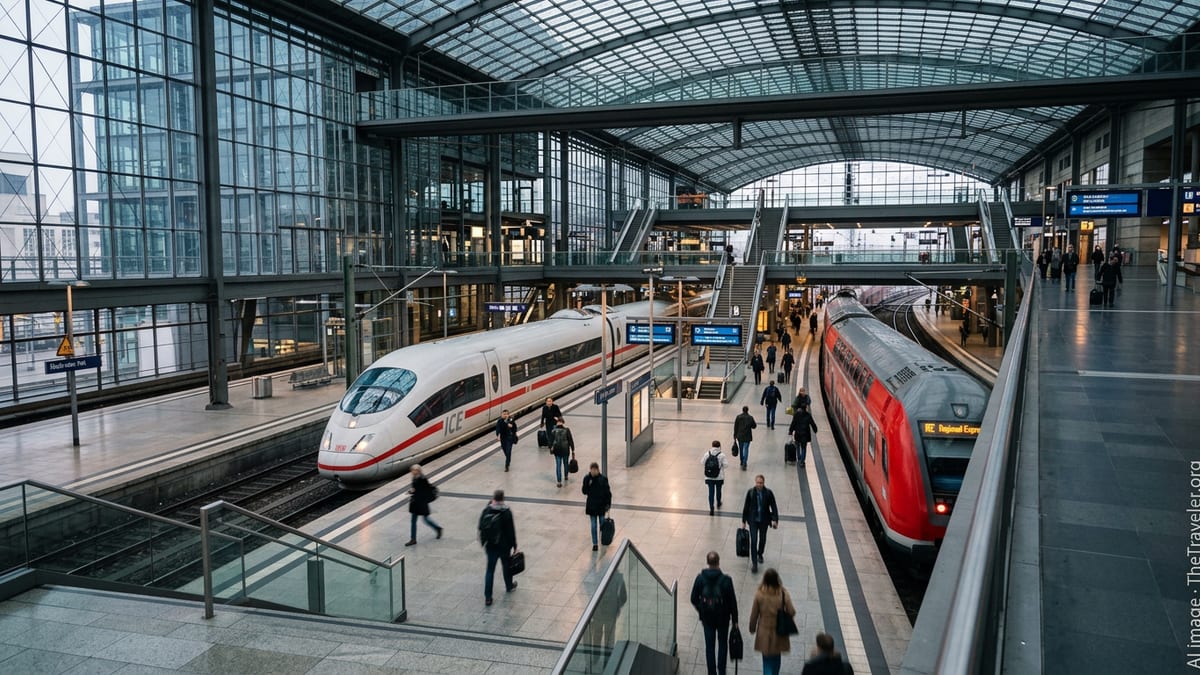
A snapshot of Railway Gazette International in 2012
Railway Gazette International entered 2012 as an established global reference point for main line and urban rail business coverage, with a readership spread across operators, manufacturers and policy makers. The January 2012 issue reflected that position by combining high level policy analysis with detailed reporting on rolling stock, infrastructure and commercial developments on almost every continent.
Published at a time when many governments were using rail investment to support economic recovery, the magazine gave extensive attention to long term capacity upgrades, electrification programmes and corridor modernisation. Features and news items in early 2012 frequently examined how national strategies were shifting towards more energy-efficient rail operations and open-access competition on interoperable networks.
Alongside these policy themes, the January 2012 coverage illustrated the publication’s long-standing emphasis on technology. Reports highlighted advances in traction, signalling and passenger amenities, signalling a growing expectation that rail services should compete more effectively with air and road transport in terms of reliability and comfort.
High speed, electrification and main line investment
One prominent strand in the January 2012 material was the continued roll-out of high speed and higher-speed services. In Europe and Asia, new-build lines, upgraded main routes and orders for high speed trainsets were core topics, illustrating how many countries were seeking to shift intercity travel from air to rail over medium distances.
Electrification emerged as a central theme in that period, both for passenger and freight corridors. Coverage from 2012 showed how countries in Central Asia, Eastern Europe and parts of Africa were planning or financing large-scale 25 kV electrification of north–south and east–west axes, in some cases supported by international lenders. These projects were frequently positioned as tools to increase capacity, cut fuel costs and reduce emissions.
Network modernisation was also a recurring focus. Articles examined major route upgrades, resignalling programmes and capacity enhancements around key freight bottlenecks. The magazine’s January 2012 content indicated strong interest in how infrastructure managers were dealing with surging container traffic linked to global supply chains, particularly on strategic corridors feeding ports and industrial hubs.
Urban rail growth and demand for mass transit
Urban rail expansion featured heavily in Railway Gazette International around January 2012, reflecting rapid growth in metro, tram and commuter rail investment. Many cities in Asia, the Middle East and Latin America were committing to new lines or extensions, often as part of broader transport master plans aimed at tackling congestion and air quality concerns.
Reports from that time showed a pattern of cities moving directly to fully featured metro or light rail systems rather than incremental bus-based solutions. Rolling stock orders, signalling contracts and turnkey construction packages for metro projects appeared regularly, underlining the magazine’s role in tracking supplier activity as well as public-sector planning.
The January 2012 coverage also pointed to growing interest in integrated urban networks, where commuter rail, metro and tram services were being planned as coordinated systems. Timetable integration, common ticketing and interchanges were described as increasingly important to ensure that expensive new infrastructure translated into practical mobility gains for passengers.
Freight corridors, logistics and open access
On the freight side, Railway Gazette International in early 2012 devoted significant attention to international corridors and logistics chains. Coverage highlighted how containerisation and bulk commodity flows were reshaping infrastructure priorities, with many railways pursuing longer trains, heavier axleloads and larger terminals to stay competitive.
Reports from that period documented cross-border projects designed to streamline traffic between ports, inland terminals and neighbouring countries. These included upgrades to customs procedures, investment in intermodal yards and the development of new inland hubs serving as consolidation points for regional industry.
Market liberalisation and open-access operation were additional themes. The magazine’s January 2012 material reflected ongoing debates in Europe about how best to implement regulatory frameworks that would allow new entrants to share national networks, while still ensuring adequate funding for infrastructure maintenance and renewal.
Technology, safety and the emerging sustainability agenda
Technology and safety developments rounded out the January 2012 edition’s global perspective. Coverage placed a strong emphasis on modern signalling, train control systems and condition-based maintenance, all intended to raise reliability and throughput on intensively used networks.
Rolling stock features in that period commonly discussed energy-saving technologies such as regenerative braking, lighter carbody structures and more efficient traction equipment. Passenger-focused innovations, including improved interior layouts, information systems and accessibility features, were presented as increasingly standard requirements for new fleets rather than optional extras.
The early 2010s also marked a turning point in how sustainability was framed in rail industry reporting. Articles around January 2012 treated carbon reduction, local air quality and noise as core elements of project appraisal and procurement decisions, not only in Europe but also in developing economies. Railway Gazette International’s treatment of these topics indicated a sector preparing for more stringent environmental expectations alongside continued growth in demand for both passenger and freight services.