


More news on this day
After years of patchy reopenings and hesitant flyers, global travel has quietly crossed an important threshold: the world is now on the move in greater numbers than before the pandemic.
Get the latest news straight to your inbox!
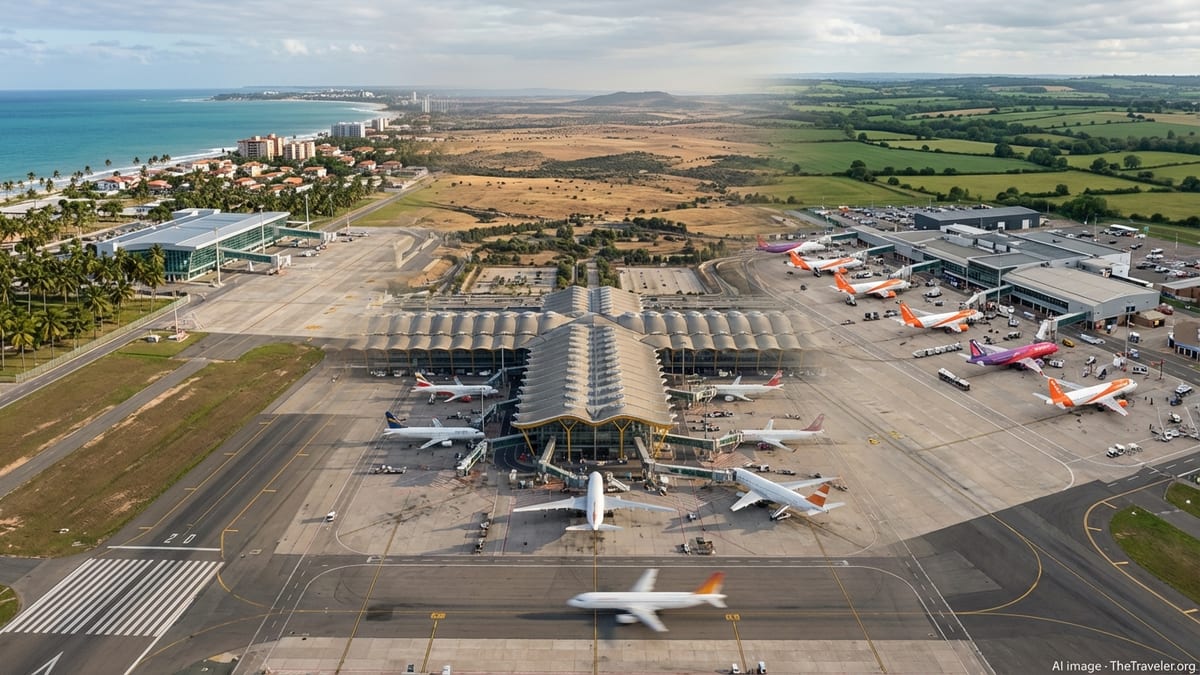
Record arrivals signal a new phase for tourism
According to recent data from UN Tourism, international travel has shifted from recovery to expansion. International tourist arrivals in 2024 reached roughly 1.4 billion, equal to about 99 percent of 2019 levels, capping off a four year climb from the collapse of 2020. Updated figures for 2025 show the rebound has not only stuck but strengthened, with an estimated 1.52 billion international tourist arrivals worldwide and growth now outpacing the broader global economy.
This shift marks a psychological as well as statistical turning point for the sector. For most of the post-pandemic period, airlines, hotels and destinations framed their outlook through the lens of “recovery.” With volumes now surpassing earlier highs, the conversation is increasingly about how to manage growth, diversify source markets and address capacity constraints on busy routes, especially during peak seasons.
The rebound has not been geographically uniform. UN Tourism tracking points to especially strong contributions from Europe, the Middle East and parts of Africa, which collectively helped push global figures back to pre-pandemic norms in 2024, before the rest of the world fully caught up in 2025. That uneven trajectory is now feeding into a wider rebalancing of where travelers go and which regions benefit most from the new wave of demand.
Airlines fill seats as demand stays ahead of capacity
Air travel sits at the heart of the bounce-back. Industry analysis from the International Air Transport Association shows global passenger demand growing around 4 to 6 percent year on year, with 2025 measured in revenue passenger kilometers on track to rise by about 5.8 percent. Load factors in peak months have climbed into the mid-80 percent range globally, indicating that many carriers are flying close to capacity on major routes.
For airlines, that sustained appetite has translated into more stable booking patterns and a return to profitability for much of the sector, even as fuel costs and macroeconomic uncertainty continue to weigh on margins. The latest outlooks characterize 2025 as “solid but slower,” with growth moderating from the post-reopening surge yet remaining strong enough to support new routes, particularly on long-haul services linking Europe, the Middle East and Asia.
For passengers, the tight balance between demand and capacity is most visible in pricing and crowding. Fares on popular intercontinental corridors remain elevated compared with 2019, and many long-haul flights routinely depart full during school holidays and major events. At the same time, airlines are cautiously adding capacity, wary of being caught overextended if economic headwinds strengthen later in 2026.
Hotels ride high, but regional stories diverge
The accommodation sector is benefitting from the same surge in demand, although the pattern again differs from one market to another. Data from hotel analytics providers indicates that global occupancy rates in late 2024 hovered in the mid-60 percent range, close to but slightly below the best months of 2023, while average daily rates and revenue per available room climbed to record levels in key markets.
In the United States, 2024 closed with all-time highs for average rates and revenue per available room, even as year-on-year growth slowed to its weakest pace since 2020. Forecasts for 2025 and 2026 point to modest occupancy declines but continued pricing power, a sign that corporate travel and major events remain supportive even as some leisure demand shifts overseas in search of better value.
Elsewhere the picture is more buoyant. Dubai, for example, reported hotel occupancy above 80 percent in 2025, up from just over 78 percent a year earlier, underlining its position as a major transit and stopover hub. Several European and Mediterranean destinations have also seen their visitor numbers eclipse 2019 levels, supported by strong intra-regional travel and a packed calendar of cultural and sporting events.
Behind the headline figures, operators are adapting to a more complex demand mix. Extended-stay segments, branded apartment-style hotels and mixed-use resorts have gained traction among travelers seeking longer, more flexible trips, often blending remote work with leisure. Urban business districts, meanwhile, are relying increasingly on conventions, concerts and large-scale events to keep rooms full outside traditional corporate peaks.
China’s return reshapes regional flows
One of the most closely watched elements of the travel rebound has been the return of Chinese travelers, whose absence was keenly felt across Asia and beyond in the early reopening years. Recent statistics point to a decisive shift. China’s tourism authorities and research institutes report that outbound travel in 2024 approached pre-pandemic levels, with cross-border trips and associated spending nearing or even exceeding 2019 benchmarks.
The recovery has not been confined to outbound flows. Official figures show China welcomed around 132 million inbound visitors in 2024, with spending reaching more than 90 billion dollars and both indicators recovering to over 90 percent of 2019 levels. In the first quarter of 2025, inbound visits rose by close to 20 percent compared with the previous year, helped by expanded visa-free schemes and simplified entry procedures for several markets.
This renewed mobility is already realigning regional tourism patterns. Destinations in Southeast Asia, the Gulf and parts of Europe that catered heavily to Chinese tour groups before 2020 are once again reporting strong arrivals, though with a more diversified mix that includes independent travelers booking online and exploring secondary cities. At the same time, geopolitical tensions and changing consumer preferences are prompting some travelers to substitute within the region, redirecting trips to new or emerging destinations.
Industry research suggests that Chinese travelers are spending more per trip than before the pandemic, with high demand for premium experiences, shopping and nature-focused itineraries. That shift has implications for how destinations market themselves, encouraging a move away from sheer volume targets toward strategies that emphasize higher-value, longer-stay visitors.
Spending patterns and sustainability concerns shape the next chapter
Spending trends underscore how travel has changed during the rebound. Payments industry data for 2024 and the first half of 2025 indicates that cross-border tourism consumption moved from a volatile, stop-start phase into steadier growth. Card-based spending on travel and entertainment has risen across most regions, with particular strength in experiences such as attractions, dining and local transportation, rather than just in air tickets and accommodation.
That shift reflects the way many travelers now prioritize “once in a lifetime” activities after several years of restricted movement. It has also encouraged destinations to invest in product development beyond their signature sights, from culinary tours and wellness retreats to outdoor adventure, in a bid to spread visitors more evenly and capture a larger share of their budgets.
Alongside the upbeat numbers, the bounce-back is intensifying long-running debates about tourism’s environmental and social footprint. Aviation’s contribution to emissions, the strain on infrastructure in overtouristed cities and the impact on local housing markets are under close scrutiny as arrivals climb to new records. Airlines are highlighting investments in more efficient fleets and sustainable aviation fuels, while many destinations are experimenting with visitor caps, dynamic pricing and dispersal strategies to manage peak pressures.
For travelers, the result is a landscape rich in choice but also in trade-offs. Flights are easier to book than at any point in the past four years, yet often more expensive on popular dates. Historic cities and island getaways are lively again, but more likely to introduce reservation systems or seasonal surcharges. What is clear from the latest data is that the era of cautious, stop-start recovery is ending. A new phase of structurally higher travel demand has begun, and the scramble is on for governments, businesses and travelers themselves to adapt to the realities of a world that is packing its bags once more.