


More news on this day
Global travel networks are facing another season of turbulence as renewed conflict in the Middle East, volatile fuel markets and heightened security alerts combine to disrupt flights, raise costs and complicate trip planning for millions of passengers.
Get the latest news straight to your inbox!
Conflict reshapes key air corridors between Europe, Asia and Africa
Hostilities involving Iran and regional rivals in early 2026 have redrawn some of the world’s most heavily used flight paths, particularly those linking Europe and Asia across the Gulf. Publicly available aviation data and published analysis show that airspace closures in Iran, the United Arab Emirates, Qatar and several neighboring states have forced airlines to cancel or reroute thousands of services that once relied on Gulf hubs such as Dubai and Doha as connecting gateways.
Reports on the economic impact of the 2026 Iran conflict indicate that airspace restrictions across the Gulf and parts of the wider region have led to thousands of daily cancellations and the temporary paralysis or curtailment of operations at major hubs, including Dubai International Airport. Wider evacuations of foreign nationals and the withdrawal of diplomatic staff have further strained available capacity as governments chartered aircraft or repurposed scheduled services to move people out of conflict zones.
According to recent analyses of European aviation trends, traffic between Europe and the Middle East has fallen sharply since the latest crisis began, with long-haul routes particularly affected. Airlines with business models built around Gulf or Middle Eastern hubs have experienced a double shock of lost transit traffic and higher operating costs on remaining services, while carriers in India, Turkey and Central Asia have seen surges in demand on alternative routings that bypass the most volatile airspace.
Open-source monitoring of flight paths shows that many Europe–Asia services now thread through narrow corridors over the Caucasus and parts of Central Asia, or divert south via Egypt, the Red Sea and the Arabian Sea. These longer routings add flight time, complicate crew scheduling and increase fuel burn at a time when jet fuel prices are already under pressure.
Rising jet fuel prices intensify cost pressures on airlines
The geopolitical upheaval has coincided with renewed volatility in global oil markets, reviving concerns about jet fuel affordability and supply. Industry economic outlooks published in June 2026 estimate that airlines will spend around 350 billion dollars on fuel this year, underscoring how sensitive the sector remains to swings in crude prices and refining margins.
Specialist research on the jet fuel market notes that renewed tension affecting the Strait of Hormuz, a chokepoint that normally handles a significant share of global oil flows, has revived fears of supply bottlenecks. Analysts warn that any sustained disruption to crude shipments through the Gulf, or to refining capacity in the wider region, could tighten availability and push aviation fuel prices higher, especially in Asia and Europe.
Weekly jet fuel tracking compiled for the industry shows sharp price movements since July, with crack spreads between crude oil and refined jet fuel widening as refiners respond to changing demand patterns and risk premiums. In some regions, fuel surcharges are reappearing on long-haul tickets as airlines attempt to pass part of the cost burden to passengers while maintaining fragile profitability after years of pandemic and post-pandemic volatility.
Industry bodies emphasize that the most effective short-term buffer against fuel shocks is efficiency. Recent commentary from airline associations highlights efforts to optimize flight planning, reduce weight on board, and accelerate the introduction of more efficient aircraft types to cut consumption. At the same time, policy debates in Europe and elsewhere over taxes on conventional jet fuel and incentives for sustainable aviation fuels are adding another layer of uncertainty for carriers planning future fleets and networks.
Security advisories and risk perceptions reshape traveler demand
While aircraft and fuel supply sit at the core of aviation operations, traveler perceptions of security are playing an equally important role in shaping today’s disruption. Updated worldwide cautions and destination-specific alerts issued in July 2026 by the United States and other governments urge travelers to exercise increased vigilance, particularly in regions affected by conflict or terrorism. These advisories encourage close monitoring of local media and official channels for changes in airport status, curfews and transport availability.
Independent coverage summarizing global advisories notes that more than twenty countries are currently subject to the highest-level warnings by United States authorities, many of them in or near active conflict zones. For would-be visitors, these alerts may not legally prohibit travel, but they often influence insurance coverage, tour operations and corporate travel policies, prompting cancellations, rebookings or shifts toward perceived lower-risk destinations.
Industry and policy analysis on air transport risk stress that aviation is particularly exposed when geopolitical tensions escalate. Guidance from international energy and transport organizations observes that several governments have already instructed public officials to limit non-essential air travel on certain routes in response to the 2026 Middle East crisis, aiming both to reduce exposure to potential incidents and to conserve fuel.
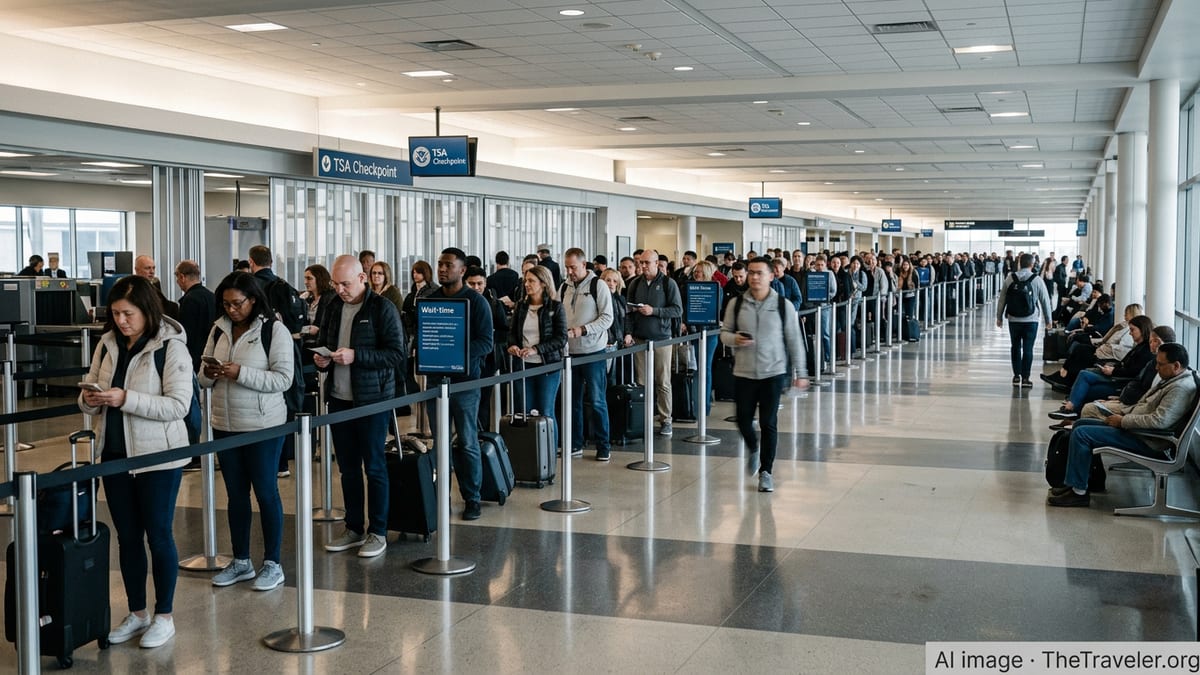
At the individual level, widespread media coverage of missile strikes near airports, shelter-in-place orders inside terminals and long lines of passengers seeking rebooking has influenced traveler sentiment even in countries far from the front lines. Online travel communities are filled with reports of passengers choosing to reroute via alternative hubs in Europe or Asia, or delaying trips that would have required transits through Gulf airports.
Operational resilience tested by extreme weather and capacity constraints
The current disruption is not driven by geopolitics alone. Recent reporting on the northern hemisphere’s summer travel season describes a system “squeezed from multiple directions,” with extreme weather, capacity shortages and airspace closures all contributing to delays and cancellations. Heatwaves, storms and wildfire smoke have caused periodic shutdowns or reduced operating windows at airports across North America, Europe and parts of Asia, adding further strain to airlines already coping with reroutes and longer flight times.
Air traffic control capacity in key regions remains tight, amplifying the ripple effects of any delay. When flights must avoid restricted airspace in the Middle East and parts of Eastern Europe, traffic is concentrated into fewer corridors, leading to congestion and additional holding patterns. This not only undermines punctuality but also undermines fuel efficiency efforts, as aircraft carry extra reserves and spend more time in the air than originally scheduled.
Fleet and staffing limitations are compounding these challenges. Many airlines are still rebuilding networks and workforces after deep cuts during the pandemic years, and some have reported difficulties securing enough pilots, cabin crew and maintenance staff to absorb irregular operations. As a result, relatively small disturbances can cascade into widespread disruption, with aircraft and crews out of position and limited slack available in schedules.
Observers note that these overlapping pressures are fueling renewed discussion about resilience in global air transport, including calls for more flexible use of airspace, better real-time data sharing between airlines and authorities, and investment in next-generation air traffic management systems designed to handle more complex routing.
What travelers can expect in the months ahead
Looking toward the rest of 2026, most forecasts suggest that global passenger demand will remain robust, but that the network connecting major regions will continue to be shaped by security risk assessments and fuel dynamics. Industry outlooks compiled in June foresee traffic growth moderating from its post-pandemic surge yet staying above long-term trends, even as capacity is constrained on some key intercontinental routes.
Analysts caution that as long as conflict persists in the Middle East and relations between major powers remain tense, airlines are likely to maintain a conservative stance on route planning through sensitive airspace. Some carriers are expected to accelerate the development of alternative hubs or strengthen partnerships that allow connections to shift away from single points of failure.
For travelers, publicly available guidance from aviation and tourism experts emphasizes flexibility. Recommendations include building longer connection times into itineraries, monitoring bookings closely for schedule changes, and being prepared for last-minute rerouting that may add hours to journey times. Higher fares on fuel-intensive or risk-exposed routes are also likely, particularly during peak seasons when alternative options are limited.
At the same time, the current disruption is reinforcing pressure on airlines and policymakers to coordinate responses to global shocks, from geopolitical crises to energy price spikes and climate-related events. How effectively the industry adapts to these overlapping challenges over the coming months will help determine whether today’s turbulence becomes a new normal for international travel or a catalyst for more resilient systems.
IATA Sustainability & Economics – Jet fuel and industry outlook
Tourism Economics – The renewed risk of a jet fuel shortage
EUROCONTROL – Impact of the current Middle East crisis on European aviation
U.S. Department of State – Travel advisories and worldwide cautions