


San Antonio’s River Walk is one of the most visited attractions in Texas, and Go Rio Cruises is the operator behind those brightly colored electric barges gliding past stone bridges and restaurant patios. If you are planning your first trip, it can be hard to know whether the cruise is worth your time and money, how crowded it really gets, and what the experience feels like beyond the brochure language. This guide walks through what first-time travelers should expect, drawing on recent information about Go Rio’s schedules, ticketing, and on-the-water experience in 2026, along with real-world tips from frequent riders.
What Is Go Rio Cruises and Where Do You Board?
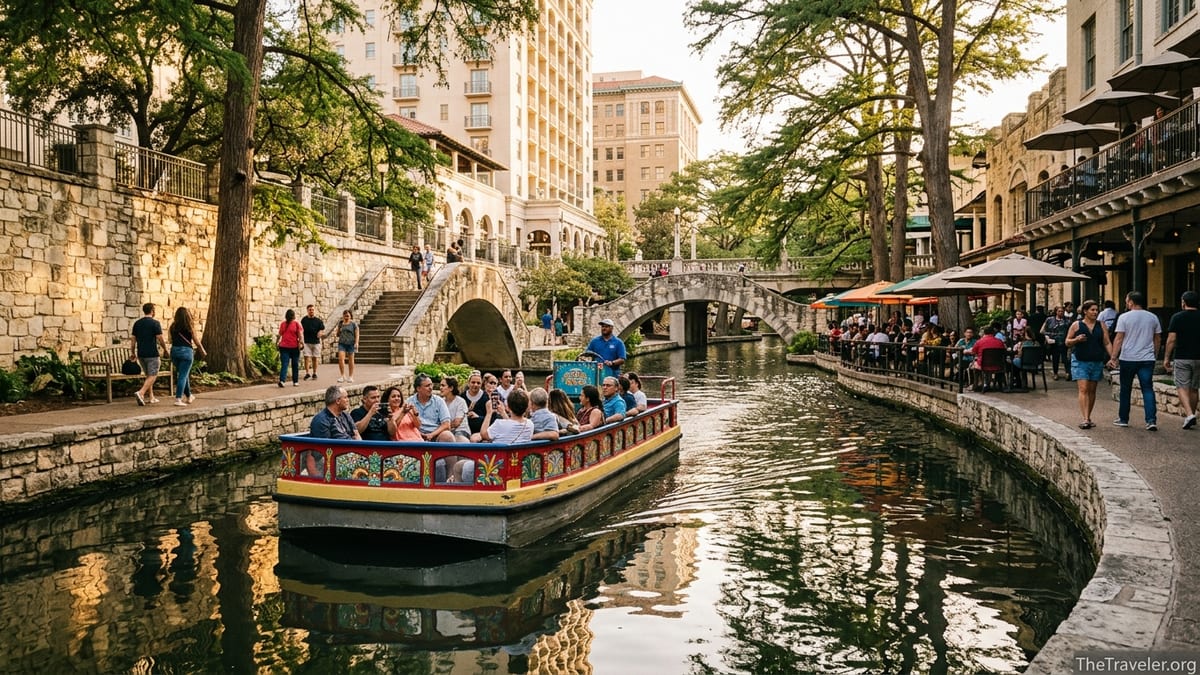
Go Rio Cruises operates the official sightseeing boats on the downtown stretch of the San Antonio River Walk, under a long-term concession with the City of San Antonio. The fleet consists of low, open-air electric barges painted in vivid colors inspired by Mexican folk art, designed specifically to pass under the River Walk’s low stone bridges and navigate its tight curves. For many visitors, the cruise is the easiest way to see a large portion of the River Walk without walking long distances in the Texas heat.
Most first-time travelers board at the Rivercenter dock near the Shops at Rivercenter, a major mall steps from the Alamo, or at the Historia dock a short walk away along the river. These docks have clear Go Rio ticket booths and queues, so they are straightforward to find even if you are just following signs from street level down to the water. There are additional shuttle docks along the Downtown Reach and Museum Reach for those using the boats as transportation rather than purely for a sightseeing loop.
The cruise route typically covers about one and a half miles of river through the central River Walk, passing landmarks like the Arneson River Theatre, La Villita, and the Torch of Friendship sculpture near the convention center. On some specialty or extended narrated trips, boats continue north along the Museum Reach toward the San Antonio Museum of Art and the Pearl District, an increasingly popular foodie and nightlife area set in a former brewery complex.
Because routes and boarding locations can shift slightly during events, construction, or river maintenance, it is worth checking posted signs at the docks when you arrive. For example, during large festivals along the River Walk or the annual river draining for cleaning, portions of the route may be temporarily closed and shuttles or tours may run a shortened loop.
Types of Go Rio Cruises and Typical Prices
For most first-time travelers, the core Go Rio product is the narrated sightseeing cruise. These are 35-minute guided trips that loop through the downtown section of the River Walk throughout the day and evening. Tickets are sold as general admission without a set departure time, which means you can ride any narrated boat during operating hours on the day of your visit. In spring 2026, a typical adult ticket for the narrated cruise is in the mid-teens in US dollars, with discounted prices for children, seniors, and military personnel, although exact amounts can vary slightly by partner or package.
In addition to the standard tour, Go Rio operates river shuttles that run between downtown and the Museum Reach, including stops near the San Antonio Museum of Art and the Pearl. The shuttles run daily from midday into the evening and typically operate on an approximately hourly frequency, which works best if you view them as a scenic transit option rather than precise public transportation. Travelers who plan to hop on and off multiple times can purchase one-day or three-day shuttle passes, while Bexar County residents have access to monthly passes that allow regular commuting along the river corridor.
For special occasions, Go Rio offers dinner cruises and private charters. Dinner cruises usually partner with River Walk restaurants that provide set menus and bar service aboard the boat, turning the cruise into a floating meal that can stretch to two hours or more. These are often priced per person and must be booked in advance through a restaurant or event partner; for example, a River Walk restaurant may offer a fixed-price three-course dinner that includes a cocktail cruise portion as part of the evening. Private charters, which can accommodate around three dozen guests, are priced per hour and are popular for corporate events, family reunions, and wedding parties who want a customized route and music.
Seasonal and specialty cruises round out the lineup. Around the winter holidays, Go Rio schedules themed sailings such as cocoa cruises to view the River Walk’s extensive holiday light displays. In those weeks, visitors commonly book an evening narrated tour or holiday cruise to see the lights reflected in the river, with departures selling out on Friday and Saturday nights near Christmas. Pricing for these special sailings is usually slightly higher than daytime narrated cruises but still in the range most visitors budget for a single major paid activity downtown.
Schedules, Lines, and the Best Time to Ride
Go Rio’s narrated sightseeing cruises operate daily, generally from mid-morning through late evening. In 2026, the company advertises core hours of 10 a.m. to 10 p.m. for narrated tours, with shuttles beginning at noon and ending around 8 p.m. Actual first and last departures can vary by season, special event, or weather, but travelers can usually count on frequent departures in the middle of the day and early evening when demand is highest.
Because narrated tickets are not time-specific, one of the most common surprises for first-time visitors is the line. On busy weekends in March or during summer vacation, queues at the Rivercenter dock can easily stretch along the walkway, with posted signs encouraging passengers to have tickets in hand before joining. In practice, most visitors find that once the line starts moving, boats board and depart quickly, with waits from 20 to 45 minutes at the busiest times. On a hot Saturday in July, for instance, you might buy a ticket at 3 p.m., spend half an hour in line, and finally board around 3:30 p.m. for a 35-minute loop.
If you want shorter waits, aim for off-peak times. Morning cruises before 11 a.m. and late evening rides after 9 p.m. often have dramatically shorter lines, especially on weekdays. A traveler visiting in October, for example, might join a 9:30 p.m. tour after dinner and board the very next boat with almost no wait. Likewise, midweek in January or early February is generally quieter, apart from major convention dates. Shoulder-season visitors who show up on a Tuesday morning can occasionally walk straight onto a boat after purchasing tickets.
Weather also affects the schedule and your comfort. San Antonio’s summer afternoons can be intensely hot, so many travelers prefer morning or after-sunset departures in July and August. Boats are open-air with no air conditioning, and while awnings provide some shade, you will still feel the ambient heat and humidity on the water. During thunderstorms or periods of heavy rain, Go Rio may temporarily suspend operations; restaurants and hotels along the River Walk usually have updated information, and announcements at the docks will indicate whether cruises are paused or operating on a modified schedule.
The Onboard Experience: Seating, Comfort, and Scenery
Once you board a Go Rio boat, crew typically direct passengers to fill seats from the center outward to balance weight and keep boarding efficient. Seating consists of fixed benches running lengthwise along the barge, with passengers facing inward toward the guide and riverbanks. There is no assigned seating, so parties usually end up sitting side-by-side along the benches, often in close quarters with other travelers. Views are good from almost every spot thanks to the low railings and open sides, but those who want easier photography often try to sit near the boat’s corners.
The electric motors keep the ride relatively quiet compared with older gas-powered boats, which means it is easier to hear the guide’s commentary about the architecture and history of the River Walk. Each captain delivers their own version of the script, and reviews routinely point out that the quality of the tour depends heavily on the personality and clarity of the person at the helm. Some captains emphasize local legends and jokes, pointing out where movie scenes were filmed or sharing stories about San Antonio’s NBA championship parades on the river, while others lean toward dates, construction details, and city planning history.
The scenery is a mix of historic stonework, modern hotels, restaurant patios, and small garden spaces. You will glide under low arched bridges, past open-air cafes like those near La Villita, and alongside public art installations and water features. For many visitors, seeing the River Walk by boat at night is the highlight. Strings of lights in the trees, reflections off the water, and the glow from restaurant signs create a distinctive atmosphere that feels different from a daytime stroll. One frequent rider describes taking out-of-town friends on the cruise each time they visit, deliberately choosing a dusk or nighttime departure for the most dramatic first impression.
Comfort-wise, the boats are simple and functional rather than luxurious. There is no onboard restroom on a standard narrated cruise, and seating is firm bench-style without cushions. The ride itself is generally very smooth with minimal wake, and even travelers prone to motion sickness usually report no issues. However, on hot days it can feel stuffy when the boat is full, so water, sun protection, and a hat are worthwhile. In winter months, the open sides can feel chilly on windy days, so packing a light jacket or scarf can make the 35 minutes more comfortable.
Tickets, Discounts, and Practical Money-Saving Tips
For first-time visitors, one of the biggest practical questions is how and when to buy tickets. Go Rio sells tickets directly at ticket booths along the River Walk, where you can pay with major credit cards or cash. Because tickets are valid for any narrated cruise on the day of purchase and are not tied to a specific time, many travelers simply walk down to the river, buy tickets, and get in line immediately. This flexibility can be helpful if you are juggling other attractions and want to see how your day unfolds before committing to a timeslot.
Travelers looking to optimize value often combine a Go Rio cruise with other attractions using a bundled pass. For example, San Antonio’s CityPASS product includes the Go Rio narrated cruise among its options, alongside major sites such as the Tower of the Americas, the San Antonio Zoo, and various museums. Visitors who know they will hit several of these paid attractions in a two or three day window can often save a significant percentage over buying separate tickets at each venue. In practice, a family of four planning to ride Go Rio, visit the Tower of the Americas, tour the Alamo’s official exhibit spaces, and spend a day at a theme park will usually come out ahead with a bundled pass, especially during peak season when individual gate prices are at their highest.
Go Rio also offers direct discounts for certain groups. Active duty and retired military, along with their spouses and dependents, are eligible for a reduced rate, typically applied when you present a valid military ID at the ticket booth. Children and seniors may receive discounted pricing as well, and some local hotels sell Go Rio tickets as part of stay-and-play packages or concierge bundles. It is always worth asking your River Walk hotel front desk whether they can sell tickets or provide a discount code, particularly if you are staying in one of the larger convention-focused properties along the water.
If you are mainly using the boats as transportation rather than a one-time sightseeing trip, consider shuttle passes. A one-day or three-day shuttle pass allows unlimited hop-on, hop-off rides along the Downtown and Museum Reaches, which can make sense if you are visiting without a car and plan to explore destinations like the San Antonio Museum of Art and the Pearl over several days. Locals who work or live near the river sometimes purchase monthly passes, treating the boats as a scenic commuting alternative to downtown driving and parking.
Accessibility, Families, and Traveler Profiles
Go Rio’s fleet is designed to be accessible for travelers with mobility challenges. The barges are ADA-accessible, with boarding ramps, designated wheelchair spaces, and procedures in place for crew to assist with boarding and seating. On shuttle boats, each barge can typically accommodate two wheelchairs, and captains reserve seats close to the boarding area for guests who cannot comfortably walk to the far end of the boat. Many riders who use wheelchairs choose to transfer into a fixed seat next to a family member, while others remain in their chairs with a companion seat placed nearby.
Families with young children usually find the cruise manageable and engaging, in part because of its relatively short 35-minute duration. Strollers are generally folded and stowed during boarding, and small kids tend to enjoy spotting ducks, bridges, and lights along the route. There are no dedicated children’s play spaces onboard, and the benches do not have seat belts or harnesses, so parents should be prepared to keep younger children seated and supervised. Because there is no restroom on the boats, a bathroom break before boarding is essential, especially with toddlers.
For older travelers and those sensitive to heat or extensive walking, the cruise can be a low-impact way to see the River Walk in comfort. Many reviews highlight grandparents joining multigenerational trips who appreciate being able to take in the scenery without tackling long staircases or uneven cobblestones. Visitors who prefer a quieter experience might favor early morning or late evening cruises when the sun is less intense and restaurant activity along the banks is slightly reduced compared with the busiest dining hours.
Travelers who prioritize in-depth historical interpretation should be aware that the style and depth of commentary can vary by captain. Some guides offer dense historical context, while others focus more on light entertainment and quick anecdotes. If you are particularly interested in architecture, planning, or San Antonio’s cultural history, it can be worth combining the cruise with a walking tour or a visit to the city’s museums to round out your understanding of how the River Walk fits into the broader story of the city.
Pros, Cons, and How It Compares to Exploring on Foot
Among travelers and locals alike, Go Rio Cruises is often described as a quintessential “first-time in San Antonio” activity. The pros are straightforward. You see a large portion of the central River Walk in a short amount of time, you do not have to navigate the maze-like pathways on your own, and you get a curated overview that helps you orient yourself for later exploring. For many, the relaxing feeling of sitting back as the boat glides past restaurants, balconies, and gardens is reason enough to go, especially at night when the ambience shifts into something more romantic and atmospheric.
There are trade-offs, however, that first-timers should understand. The most common complaints focus on lines, crowding, and occasionally underwhelming commentary. In peak travel periods, boats often depart full, which means you could be shoulder-to-shoulder with strangers and sometimes have a partially obstructed view if you end up toward the middle of the bench. If you are expecting a quiet, semi-private cruise, it may feel more like a bustling city tour. A minority of riders also report difficulty hearing or understanding guides with strong accents or soft voices, especially toward the back of the boat.
There are also aspects of the environment beyond Go Rio’s control. Bird droppings along certain stretches of the River Walk and on railings can be noticeable, particularly under dense trees and near roosting spots. While staff clean boats and docks regularly, you may see or smell some of this as you board or cruise. Additionally, those who prefer independent exploration sometimes feel that a boat tour keeps them at a remove from the tucked-away courtyards and alleys that give parts of the River Walk its character.
Compared with exploring on foot, a Go Rio cruise is less flexible but far less tiring. If you have one afternoon in the city and want maximum freedom to stop at shops, bars, and historic plaques, a self-guided walk might be more satisfying. But if you are juggling jet lag, summer heat, or mobility concerns, or simply want an effortless overview before dinner, the cruise is a strong value. Many frequent visitors adopt a hybrid approach: ride Go Rio once early in the trip to get oriented and hear a quick history lesson, then spend the remaining time revisiting favorite stretches on foot, including the quieter Museum Reach and the Pearl, which feel more neighborhood-like than the busy central loop.
The Takeaway
For first-time travelers to San Antonio, a Go Rio cruise along the River Walk delivers exactly what many people want from a classic city experience: a relaxed, scenic overview with a side of local storytelling. It is not a luxury cruise or a deep historical seminar, but it is an efficient way to see the core of the River Walk in under an hour, rest your feet, and get a feel for the layout of downtown. The electric barges, colorful designs, and occasional jokes from captains combine into a distinctly San Antonio experience that pairs well with a visit to the Alamo, a Tex-Mex meal, and a stroll under the riverside trees.
To make the most of it, focus on timing and practical details. Aim for early morning or evening rides to avoid the heaviest crowds and heat, purchase tickets at the dock or through a bundled attraction pass that makes sense for your itinerary, and treat the commentary as an introduction rather than your only source of city history. If you are traveling with kids, older relatives, or anyone who tires easily, the cruise can be an especially welcome break, turning a potentially exhausting walk into a breezy glide along the water.
Knowing what to expect also helps set the right expectations. You can anticipate basic bench seating, close quarters with other travelers, and a route that focuses on downtown rather than the full length of the river. You should also be ready for mild lines and the realities of a busy tourist area. In return, you get some of the best vantage points of the River Walk’s bridges, architecture, and lights, plus a mental map of the area that will make the rest of your visit smoother.
In short, Go Rio Cruises remains a worthwhile, if somewhat touristy, staple of a first San Antonio visit. With realistic expectations and a bit of planning, it can be a highlight of your time on the River Walk rather than just another box to check.
FAQ
Q1. How long does a standard Go Rio narrated cruise take?
The typical narrated sightseeing cruise lasts about 35 minutes from departure to return, covering roughly one and a half miles of the downtown River Walk.
Q2. Do I need to book a specific time for the narrated tour?
No. Narrated cruise tickets are generally not tied to a specific time. You buy a ticket for the day and then join the queue for the next available boat during operating hours.
Q3. What are Go Rio’s usual operating hours?
In 2026, narrated cruises generally run from around 10 a.m. to 10 p.m. daily, with shuttle boats typically operating from midday into the evening, though hours can vary by season and weather.
Q4. How much do tickets cost for first-time visitors?
Adult tickets for narrated cruises are typically priced in the mid-teens in US dollars, with lower rates for children, seniors, and military guests. Exact prices can change, so check current rates before your visit.
Q5. Are the boats accessible for wheelchairs and mobility devices?
Yes. Go Rio’s barges are ADA-accessible, with ramps and designated spaces for wheelchairs. Staff can assist with boarding, and shuttle boats usually accommodate two wheelchairs per barge.
Q6. Is there a best time of day to take the cruise?
Early morning and late evening are often more comfortable and less crowded, especially in summer. Many travelers prefer dusk or night rides for cooler temperatures and illuminated views.
Q7. Can I use a city pass or bundle to save money on the cruise?
Yes. Attraction bundles such as San Antonio CityPASS often include the Go Rio narrated cruise as one of the options, which can be cost-effective if you plan to visit several paid attractions.
Q8. Are food and drinks allowed on board?
Policies can vary by cruise type, but many riders bring bottled water or beverages purchased from nearby vendors. Dinner and specialty cruises usually include food and drinks arranged through partner restaurants.
Q9. Are pets allowed on Go Rio boats?
Pets are not allowed on the boats, but service animals are permitted in accordance with accessibility guidelines.
Q10. Is the Go Rio cruise worth it if I am short on time?
For travelers with limited time, the 35-minute cruise is an efficient way to see the highlights of the River Walk and orient yourself, especially if you combine it with a quick walk to a nearby landmark like the Alamo.