


More news on this day
Passengers departing Nairobi’s Jomo Kenyatta International Airport (JKIA) on August 30, 2026, faced widespread disruption as a staff go-slow triggered hours-long delays across Kenya Airways, Qatar Airways and Emirates flights.
Get the latest news straight to your inbox!
Air Traffic Control Challenges Cause Systemwide Delays
Publicly available information shows that Kenya Airways issued a customer update on August 30 warning of “2–3 hour” delays affecting departures from JKIA, citing ongoing air traffic control challenges. The advisory indicated that the disruption was not limited to a single route or aircraft type, but was impacting a broad swathe of outbound traffic as departure slots were pushed back.
Reports from local media describe a build-up of aircraft on the ground and lengthy queues at departure gates as airlines adjusted schedules in real time. While arrival operations continued, the bottleneck on the departure side created a knock-on effect for later services, especially for aircraft and crew that needed to turn around quickly for onward flights.
Separate coverage of the incident notes that the disruption coincided with industrial action involving staff linked to airport and aviation agencies, leading to a slowdown in key operational areas. As a result, airlines were required to accommodate longer turnaround times, which in turn fed into rolling delays throughout the day.
The situation emerged against the backdrop of a multi-year upgrade program at JKIA, which has already led to periodic operational adjustments and terminal changes. Although the airport remained open, the combination of infrastructure works and staffing pressures underscored the vulnerability of busy hubs when multiple stress factors converge.
Impact on Kenya Airways, Qatar Airways and Emirates Operations
Kenya Airways, as the largest operator at JKIA by international market share, experienced some of the most visible effects. With the carrier responsible for a significant proportion of international departures from Nairobi, even modest schedule changes translated into long lines at check-in counters and security for both regional and long-haul services.
Qatar Airways and Emirates, two of JKIA’s primary Middle East hub carriers, were also affected because of their tightly timed bank of departures to Doha and Dubai. Published airport and aviation data list both airlines among the leading foreign operators at JKIA, with multiple daily services that feed extensive global networks. When departures in Nairobi are pushed back, passengers risk missing onward connections in the Gulf, amplifying the impact far beyond Kenya’s borders.
Codeshare arrangements further complicated the picture. Some Kenya Airways flights operate under shared flight numbers with partners such as Qatar Airways, meaning a disruption at JKIA can simultaneously affect bookings that appear under different airline codes. For travelers, the distinction between operating and marketing carriers is often invisible, but delays at the departure airport are felt across all brands involved.
Available tracking data for the afternoon of August 30 showed delayed pushbacks on several departures, including services linked to partner-operated flights. While not every Kenya Airways, Qatar Airways or Emirates movement was significantly late, the scale of the disruption was sufficient to prompt broad advisories and widespread social media reports of missed and rebooked connections.
Passenger Experience: Long Queues, Uncertain Connections
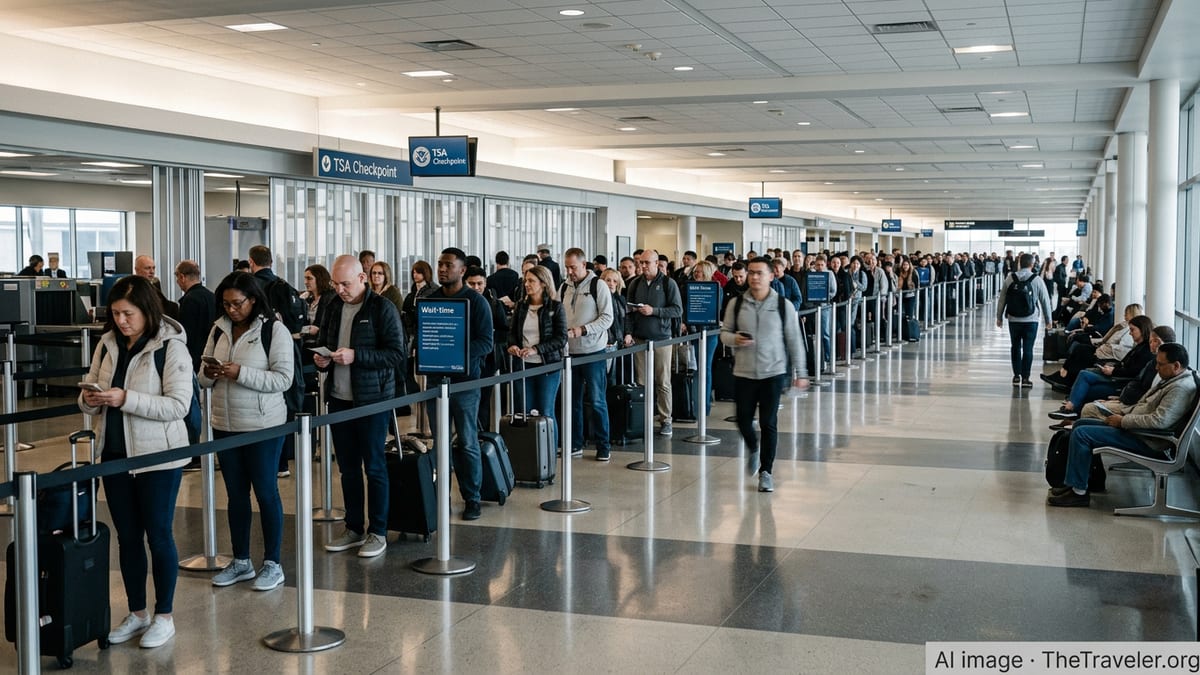
Coverage from Nairobi-based outlets and traveler accounts on social media highlight long lines at check-in, security and boarding gates, with some passengers waiting several hours beyond their scheduled departure times. The uncertainty over exact pushback times made it challenging for travelers with tight onward connections, particularly those transiting via Doha and Dubai to Europe, North America and Asia.
Public posts from affected travelers describe gate changes, repeated boarding announcements and aircraft remaining on stand while crews awaited updated departure clearances. In some cases, passengers reportedly remained seated on board for extended periods before takeoff, contributing to fatigue and confusion about their arrival times at final destinations.
The disruption also affected operational planning for airlines. With aircraft and crew out of position, later rotations faced increased risk of further delay, even after immediate air traffic control issues began to ease. For hub carriers such as Qatar Airways and Emirates, any delay on a feeder leg can cascade through their networks as connection banks are optimized around precise arrival and departure windows.
However, by mid-afternoon, reports indicated that flights were still departing, albeit behind schedule, rather than facing mass cancellations. This allowed many passengers to complete their journeys on the same day, though often with missed connections that required rerouting or overnight accommodation at onward hubs.
Advisories Urge Early Arrival and Real-time Checks
Passenger advisories issued on August 30 urged travelers using JKIA to allow additional time for check-in and security and to monitor flight status closely through airline apps, websites and airport departure boards. Publicly available passenger guidance emphasized the importance of confirming terminals and departure times shortly before heading to the airport, given the potential for last-minute gate and schedule changes.
Independent airport information sites, which track operational changes at JKIA, already carry standing advice about the ongoing infrastructure works and phased terminal upgrades at the airport. These sources encourage passengers to verify which terminal their flight is using, as some carriers and routes have shifted between terminals as renovation projects progress.
Travel analysts point out that days with operational disruption at busy African hubs can have an outsized impact on regional connectivity. Nairobi functions as a key gateway linking East and Central Africa to Europe, the Middle East and Asia, and carriers such as Kenya Airways, Qatar Airways and Emirates rely on carefully timed connections to sustain competitive journey times. When a hub experiences delays, the ripple effects often reach secondary cities across the continent.
For upcoming travel in the days following the go-slow, publicly available updates suggest that passengers should continue to check for fresh advisories, as the pace of operations may depend on the resolution of underlying staffing concerns. Travelers with critical same-day connections via Doha or Dubai may wish to build in additional buffer time or consider more flexible ticket options where possible.
Broader Questions Over Resilience at African Hub Airports
The events at JKIA on August 30 have renewed attention on the resilience of African hub airports that are juggling rapid traffic growth, infrastructure upgrades and periodic labor disputes. Nairobi’s main gateway has been undergoing modernization to expand capacity and improve passenger experience, but construction works can introduce complexity into day-to-day operations, particularly when combined with staffing pressures.
Regional planning documents on JKIA emphasize the airport’s role as a primary international gateway for Kenya and a key connecting point for East Africa. Kenya Airways accounts for the largest single share of international traffic, while Middle Eastern carriers such as Emirates and Qatar Airways contribute a significant portion of long-haul connectivity. Any disruption at this node therefore has implications not only for local tourism and business travel, but also for wider trade and investment flows.
Industry observers note that the August 30 disruption will likely feed into ongoing discussions about air traffic management capacity, staffing levels, and contingency planning at JKIA and other regional hubs. Ensuring that airports can maintain stable operations during infrastructure works and labor negotiations is seen as critical to safeguarding the reliability of Africa’s emerging aviation networks.
While operations at JKIA were expected to normalize once the immediate go-slow and control challenges were resolved, the episode underscores how quickly conditions can deteriorate at a busy hub and how significantly such events can affect travelers booked on marquee carriers such as Kenya Airways, Qatar Airways and Emirates.
People Daily: Kenya Airways confirms 2–3 hour flight disruptions at JKIA
Switch News: Kenya Airways warns of 3-hour delays at JKIA
Signs TV: KAA confirms flight delays at Kenyan airports