


More news on this day
Google has agreed to pay $10 million for Spirit Airlines’ internal business data, a bankruptcy-court deal that underscores how de-identified corporate records are becoming valuable fuel for training artificial intelligence systems in real-world travel operations.
Get the latest news straight to your inbox!
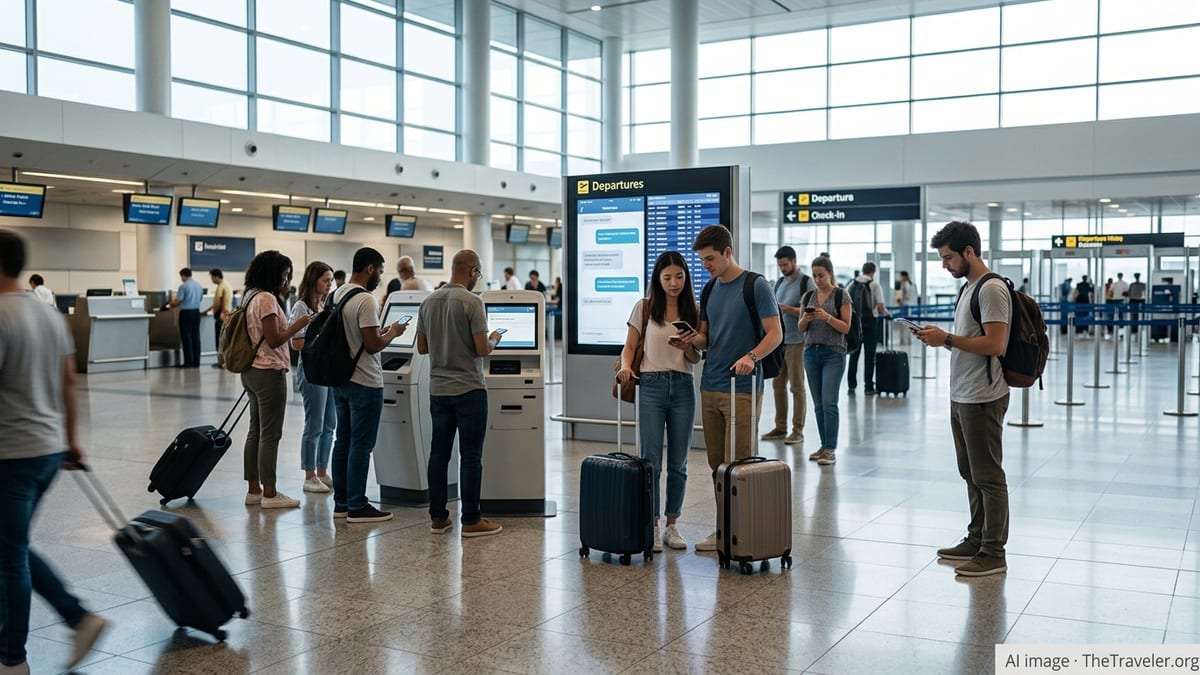
What Google Is Buying From Spirit Airlines
Bankruptcy filings and published coverage indicate that Google is acquiring a large slice of Spirit Airlines’ internal “digital history,” including years of employee emails, Microsoft Teams chats, calendars, spreadsheets, documents and operational records. Reports describe a trove that runs to around 100 million emails and hundreds of millions of chat messages, alongside code repositories and detailed operational and productivity data.
The data is de-identified under the terms that have been publicly described, meaning it is not supposed to include customer records, payment information or other directly identifiable passenger details. Instead, the focus is on how staff inside a modern low-cost airline actually work: how they communicate, escalate problems, manage schedules, coordinate crews, track delays, handle maintenance and reconcile all of that with commercial performance targets.
Spirit Airlines shut down operations earlier in 2026 after a period of financial strain linked to high debt and fuel costs, and its remaining assets have been moving through bankruptcy proceedings. In that process, Google reportedly outbid AI data specialist Mercor, which had offered $7.5 million, with its $10 million proposal emerging as the winning bid subject to court approval.
For a leisure-focused carrier that no longer flies, the value in this sale lies not in future tickets but in the dense, messy archive of how an airline functioned day to day, captured line by line in corporate systems.
How AI Could Use Real Airline Workflows
Google has indicated through public statements and reporting that it plans to use the Spirit dataset to develop products and train its AI models. For travel, that points toward large language models and AI agents that can better understand and automate complex enterprise workflows rather than just answer simple customer questions.
In practice, that could mean training systems to read and draft internal emails, summarize operations reports, route tasks between teams and surface the right procedures when disruptions occur. Exposure to real decision trails from an airline’s operations desk, revenue management team, crew scheduling unit and airport stations may help AI tools recognize patterns that are difficult to simulate in synthetic datasets.
The acquisition also arrives as Google promotes its Gemini AI platform to airlines and travel operators. Earlier in August, Google announced a multi-year partnership with another European low-cost carrier focused on using Gemini to optimize operations. Against that backdrop, owning an extensive, de-identified corpus of airline workflows gives Google a reference model for how aviation businesses actually run behind the scenes.
Travel technologists say that kind of material is especially valuable because it captures not just idealized processes but also how people respond when procedures collide with reality: storms, crew timeouts, maintenance surprises, full flights and frustrated customers.
Implications for Travelers and Airline Operations
For passengers, the immediate effects of a data transfer between a defunct airline and a technology company are not obvious. Spirit’s brand is not being revived through this transaction, and no customer loyalty program is changing hands. Instead, the most likely impact will be indirect, appearing over time in how airlines and travel platforms use AI to run their operations and communicate with customers.
If the training works as intended, airlines that adopt AI tools informed by similar datasets could see faster internal coordination when flights go off schedule, more accurate predictions of knock-on delays and better suggestions for rerouting passengers. Customer-facing chatbots and virtual agents might gain a clearer picture of what is happening behind the scenes, allowing them to give more realistic options instead of generic apologies.
Industry observers also note a potential upside for safety and reliability if AI systems trained on historical operational data can help spot emerging risks earlier or recommend more resilient schedules. However, those benefits depend on how responsibly companies use the technology, how thoroughly the data is scrubbed and how closely human staff remain involved in critical decisions.
At the same time, the purchase has sparked debate about whether training on the inner workings of a carrier that ultimately went bankrupt is a feature or a flaw. Some analysts frame it as an opportunity for AI models to learn what not to do, while others question whether business failures will be properly contextualized when the data is repurposed for optimization tools.
Privacy, Consent and the Value of Workplace Data
Beyond aviation, the Spirit sale is drawing attention because it treats everyday workplace data as an asset that can outlive the company that generated it. Employees’ emails, chats and calendars, though de-identified, are being packaged and sold as raw material for AI research and product development, raising questions about consent and expectations of privacy.
Legal specialists point out in public commentary that corporate systems generally belong to the employer, and acceptable-use policies often remind staff that communications may be monitored or retained. Even so, many workers may not have anticipated that their routine correspondence could one day be licensed or auctioned as part of an AI training dataset years after the fact.
Advocacy groups and commentators in the technology and labor communities are using the Spirit case to argue for clearer rules on how employee-generated data can be reused, especially when it is sold in bankruptcy proceedings. They highlight the risk that “de-identified” collections can sometimes be re-linked to individuals when cross-referenced with other information, and they call for stricter standards for anonymization and oversight of secondary uses.
The deal also puts a rough market price on a new kind of digital asset. With Google reportedly paying $10 million to access one airline’s internal records, other travel companies and creditors may start to view long-archived email servers and chat logs as potential sources of value, especially in restructurings and liquidations.
A New Frontier in Travel Data and AI Training
For the travel industry, the Spirit dataset signals how far AI has shifted the definition of strategic data. Historically, the most prized information for airlines was customer facing: frequent flyer profiles, booking histories, fare data and route performance. In this case, the buyer is publicly excluding passenger information and focusing instead on the behind-the-scenes machinery of running a carrier.
That shift aligns with a wider trend in AI, in which companies seek expansive, domain-specific corpora to create models tuned to particular sectors such as aviation, logistics, health care or finance. Rather than relying solely on public web content, technology firms are turning to private archives that capture the nuance of internal decision-making and coordination.
Whether this becomes common practice in travel will depend in part on how regulators, courts and the public respond to Google’s purchase. A bankruptcy judge is expected to review the proposed sale, and data protection authorities and competition regulators in different jurisdictions are watching how AI firms accumulate large, specialized datasets.
For now, the Spirit deal stands as a high-profile example of how even a shuttered airline can shape the next generation of travel technology. The planes may be grounded, but the records of how they were scheduled, staffed, serviced and sold are set to take on a second life inside the training runs of advanced AI models.