


More news on this day
The first repatriation flights operated by Israeli airlines have begun carrying stranded travelers from Dubai back to Tel Aviv, following days of disruption after an attempted hijacking of a Flydubai service on the Dubai–Tel Aviv route.
Get the latest news straight to your inbox!
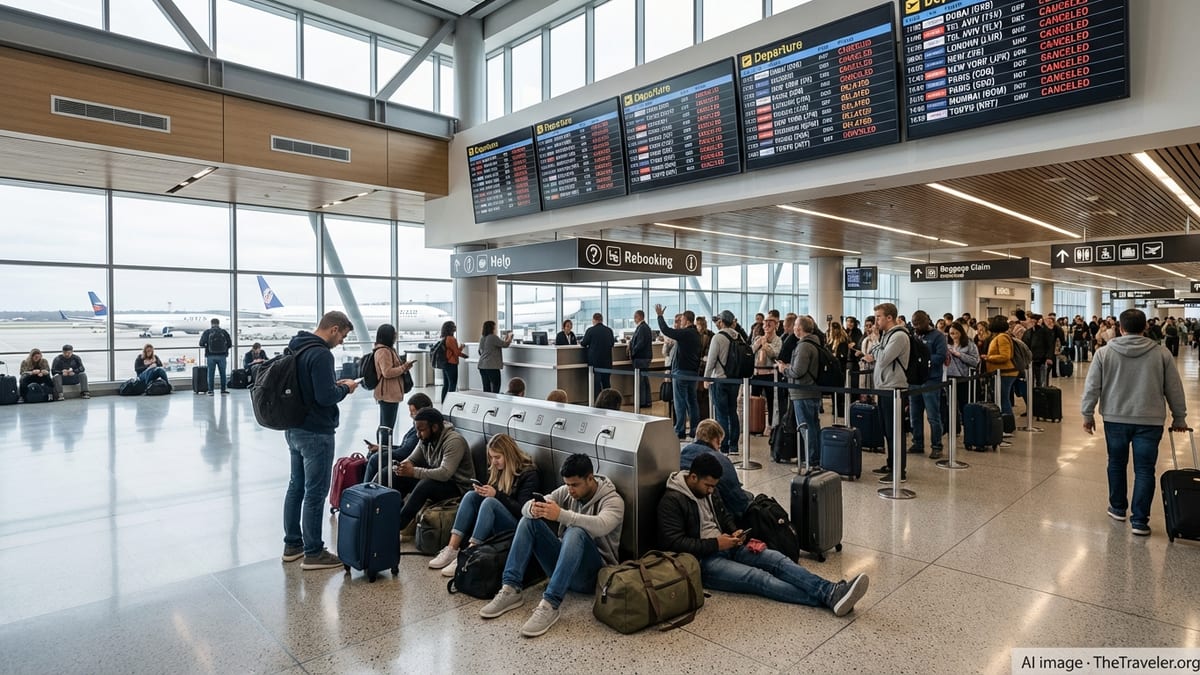
Rescue operations begin after Flydubai cockpit attack
The launch of the rescue flights marks a turning point in efforts to bring home hundreds of Israelis who remained in the United Arab Emirates after commercial links on the busy Dubai–Tel Aviv corridor were abruptly severed this week. Services were halted after a Flydubai jet operating flight FZ1073 was diverted to Saudi Arabia on September 30, 2026, when the co-pilot allegedly attacked the captain in the cockpit and passengers intervened to prevent the aircraft from crashing, according to multiple international news reports.
Following the incident, Flydubai services to Israel were suspended while aviation and security authorities in several countries began investigations into the attack and the co-pilot’s background. Published coverage indicates that the disruption left large numbers of Israeli tourists and business travelers in the UAE with no direct way home, as Emirati carriers temporarily stopped flying to Tel Aviv and Israeli airlines had not yet returned to Dubai in regular service.
In response, Israeli carriers drew up emergency plans to operate one-way rescue and repatriation flights. Israeli media reports describe coordinated efforts between airlines and government bodies to obtain landing and takeoff permissions from the UAE and to restore a limited air bridge specifically for stranded passengers.
Arkia operates first confirmed repatriation flight
On October 3, 2026, Israel’s public broadcaster reported that an Arkia flight departed Dubai carrying Israeli passengers who had been unable to secure commercial seats back to Israel. According to that coverage, the aircraft was operating as a dedicated repatriation service to Tel Aviv’s Ben Gurion Airport, focusing on travelers whose original journeys had been disrupted after the Flydubai incident.
Reports indicate that Arkia received the necessary clearances from UAE authorities late Friday, allowing the carrier to move ahead with at least one outbound sector from Dubai. Israeli news outlets describe the service as part of a broader rescue schedule under discussion, with further flights dependent on the pace at which additional slots and approvals can be granted.
Travelers booked on the Arkia service were described in local media as including tourists who had arrived in Dubai shortly before the disruptions, as well as passengers whose return legs on foreign carriers were canceled when routes were suspended. For many, the Arkia flight represented the first concrete opportunity in days to return directly to Israel without transiting via third countries in Europe or the Mediterranean.
El Al cancellations highlight fragile permissions
While Arkia was able to dispatch a repatriation flight, the situation for other Israeli carriers remained fluid. Earlier on October 2, 2026, El Al announced plans for a series of special flights intended to evacuate Israelis from Dubai, according to statements cited in Israeli and regional media. Those plans were disrupted when prior landing permissions were reportedly withdrawn by UAE authorities before departure.
Publicly available information from Israeli outlets describes El Al as prepared with aircraft and crews to operate multiple rotations between Tel Aviv and Dubai, but compelled to stand down when the regulatory approvals changed. Coverage of the episode underscores how sensitive and fast-moving the diplomatic and aviation arrangements have been in the wake of the attempted hijacking.
The cancellations left some travelers who had secured El Al seats searching again for alternatives, including later Arkia repatriation flights or routings via European hubs. Israeli media commentary framed the situation as an illustration of the wider uncertainty surrounding air links between Israel and the UAE since the Flydubai incident and emphasized that additional rescue operations would likely proceed only once clear, stable permissions were in place.
Israir and other carriers prepare additional capacity
Alongside Arkia and El Al, the Israeli airline Israir has also been working to participate in the airlift. Live updates carried by Israeli news organizations on October 2 reported that Israir was in advanced stages of coordination with UAE authorities to operate its own repatriation flights, with final confirmation of schedules still pending at the time.
Reports indicate that the emerging plan involves several Israeli carriers sharing the responsibility for bringing home stranded citizens, with each airline proposing specific rotations subject to regulatory and operational approval. Publicly available schedules referenced in Israeli media suggest that some of these flights are being sold or allocated primarily as one-way tickets to Israel, with limited or no outbound passenger sales from Tel Aviv.
Travel-industry commentary in Israeli outlets notes that demand for seats on these rescue flights is likely to be concentrated among short-stay visitors, including holidaymakers and business travelers who had planned brief trips to Dubai. Longer-term residents of the Emirates, by contrast, appear in media descriptions to be monitoring the situation while considering whether to travel at all until regular commercial traffic stabilizes.
Uncertain outlook for regular Dubai–Tel Aviv services
The launch of repatriation flights does not yet signal a full restoration of normal air service between Dubai and Tel Aviv. Israeli and international coverage point out that Flydubai has not resumed its Israel route since the cockpit attack, and that Israeli carriers are currently focused on emergency operations rather than reinstating full schedules.
Before the incident, Dubai had become a key short-haul destination for Israelis, following the establishment of formal ties between Israel and the United Arab Emirates in 2020. The city’s beaches, shopping districts and growing kosher dining scene had helped make it a popular long-weekend getaway for travelers from Tel Aviv, with several daily flights typically operating in both directions during peak periods.
Travel analysts quoted in regional reports suggest that the near-term outlook for the route will depend on the outcome of ongoing security investigations and on new protocols that may be introduced for flights between the two countries. Until there is greater clarity, travelers planning trips between Israel and the UAE are likely to face a patchwork of rescue flights, occasional scheduled services and indirect routings via third countries, rather than the dense and predictable network that existed just days earlier.