


More news on this day
Greece is moving into the 2026 peak season with unprecedented momentum, as record-breaking visitor numbers, surging German demand, and rapid high-end hotel development position the country ahead of traditional rivals such as Turkey, Spain, Egypt, Italy, Thailand, and Indonesia for summer travel.
Get the latest news straight to your inbox!
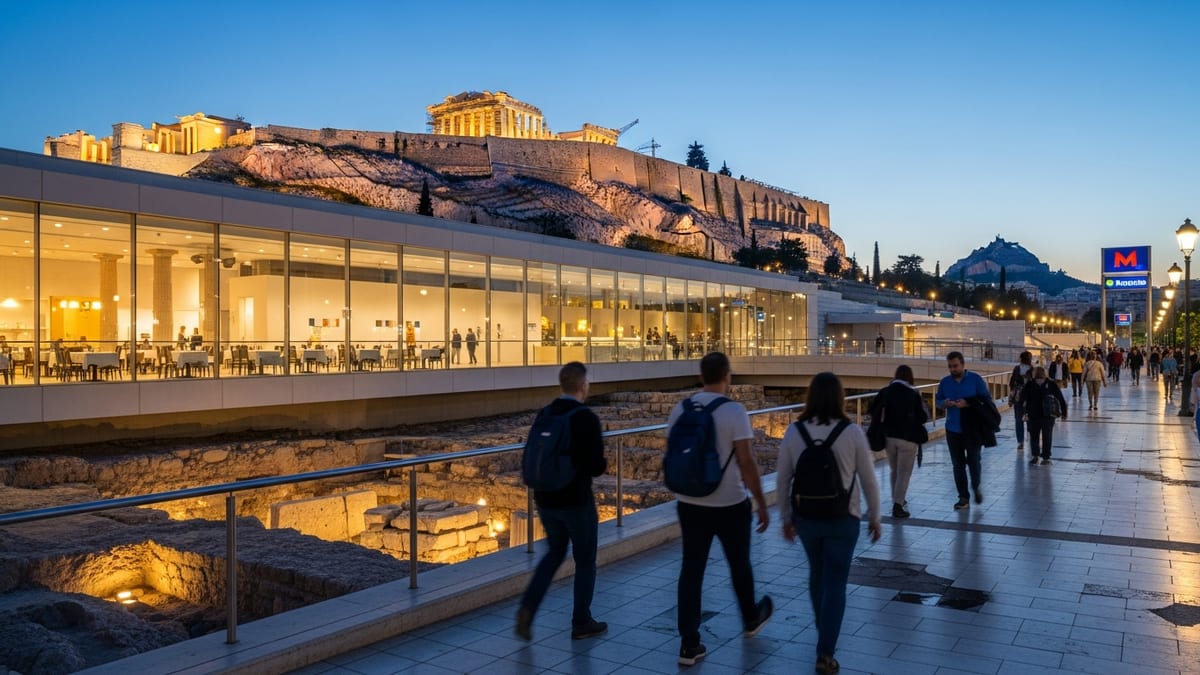
Record Tourism Performance Sets the Stage for 2026
Tourism data from 2024 and 2025 show Greece consolidating its status as one of Europe’s most dynamic holiday markets, with international arrivals and travel receipts repeatedly hitting record highs. Bank of Greece figures and industry analyses indicate that visitor numbers climbed to nearly 38 million in 2025, while travel revenues rose to well over 23 billion euros, outpacing overall economic growth and strengthening tourism’s role as a key pillar of the national economy.
German travelers have been central to this surge. Publicly available data from Greek and European tourism authorities show Germany as Greece’s largest single source market by volume, with close to six million German arrivals in 2025 and billions of euros in associated spending. Growth from Germany has been consistently higher than the overall increase in arrivals, underlining the depth of demand for Greek destinations.
European tourism monitoring reports for early 2025 highlight that Greece and Cyprus recorded the strongest growth in German outbound travel within the region, with double-digit percentage increases compared to the previous year. This acceleration ahead of the 2026 summer season suggests that German demand for Greek holidays is not only resilient but expanding, even as competing destinations in the Mediterranean and Asia intensify their marketing efforts.
Industry forecasts published in hospitality and investment briefings project that Greece will maintain or slightly increase international arrivals in 2026, supported by a longer tourism season and rising air connectivity. For German travelers planning their next summer escape, these figures translate into more flight options, broader regional coverage, and a growing range of accommodation choices from entry-level beach hotels to ultra-luxury villas.
German Demand Shifts the Competitive Balance in the Mediterranean
Competition for German holidaymakers traditionally centers on a handful of heavyweight destinations, including Turkey’s Antalya coast, Spain’s Balearic and Canary Islands, Egypt’s Red Sea resorts, and Italy’s islands and coastal cities. Recent booking trends and barometer-style surveys for the German market, however, indicate that Greece has been steadily gaining ground, particularly in the summer segment.
For winter 2025 to early 2026, German travel barometers placed Egypt at the top for cold-season getaways, with Thailand remaining strong for long-haul trips. At the same time, these reports highlight Greece among the fastest-growing destinations from Germany, even when it does not always top seasonal rankings. Analysts note that Greece’s double-digit growth in German arrivals since 2023 has reinforced its position for the core May to October beach season, precisely when Turkey, Spain, and Italy compete most fiercely for the same customers.
Pricing dynamics are another factor tilting the balance. While Turkey and Egypt often compete on value, industry commentary shows that rising costs and currency shifts are narrowing the traditional price gap with Greece, especially in higher-category hotels. As a result, German travelers weighing similarly priced all-inclusive packages increasingly compare overall experience, perceived safety, and quality of infrastructure, areas where Greece has invested heavily in recent years.
At the same time, Greece’s diversified geography offers alternatives to the mass-market model prevalent in some rival destinations. From lesser-known islands in the Dodecanese and Cyclades to emerging mainland beach regions in Epirus and western Peloponnese, German tour operators are expanding their Greek portfolios beyond established hubs such as Crete, Rhodes, and Corfu. This broader spread of product is helping Greece capture demand that might previously have gone to Spain’s mature island resorts or Turkey’s large-scale coastal complexes.
Luxury Escapes, Boutique Stays, and Extended Seasons
The rapid upgrade of Greece’s hotel stock is a defining trend behind its rising appeal for German travelers seeking higher-end experiences. Market reports from property consultancies and hospitality analysts show a pipeline of new five-star resorts, branded residences, and lifestyle hotels concentrated in destinations such as Mykonos, Santorini, Crete, the Athenian Riviera, and up-and-coming islands like Paros and Milos.
Many of these new properties are designed around private pools, wellness centers, and elevated food and beverage offerings, reflecting a shift toward experiential and luxury-oriented travel among Germany’s middle and upper-income segments. With average per-visitor spending in Greece already climbing faster than arrivals, the country is increasingly perceived as a place to upgrade from standard beach holidays to more exclusive stays, whether in adults-only resorts or family-friendly villa-style complexes.
Seasonality is also changing. Official arrival data and airport traffic statistics show that the traditional July to August peak is stretching into shoulder months, with strong growth recorded in May, June, September, and October. For German travelers, who benefit from flexible holiday periods and a strong interest in spring and autumn sun, this lengthened season makes Greece more attractive than destinations where tourism remains tightly compressed into a short peak window.
Luxury-focused tour operators in German-speaking markets are responding by adding more premium Greek product and promoting off-peak travel, positioning late-summer and early-autumn stays as an alternative to long-haul trips to Indonesia or Thailand. This strategy aligns with airline schedules that now maintain or increase direct services to Greek airports deeper into the shoulder months, supporting city-and-beach combinations in Athens and the islands that compete effectively with long-haul escapes on travel time and overall cost.
Sun, Sea, and Sustainability: Evolving Traveler Priorities
Beyond price and availability, shifting traveler preferences are reinforcing Greece’s competitive edge. Surveys of European tourists conducted by tourism bodies and research institutes point to growing interest in authentic local culture, shorter flight times, and sustainability-conscious choices. Greece’s appeal as a destination that combines sun-soaked beaches, accessible island hopping, and historic cities aligns closely with these priorities, particularly for German visitors who are highly sensitive to environmental debates around aviation and long-haul travel.
By offering relatively short flights from major German airports to dozens of regional Greek gateways, the country presents a lower-barrier alternative to long-haul destinations such as Thailand or Indonesia for travelers seeking warm seas and resort comfort. Publicly available route maps and traffic reports show that German carriers and leisure airlines have steadily expanded their presence at Greek regional airports, providing direct access to islands and coastal regions without the need for domestic connections.
At policy level, Greek authorities and industry associations have begun to emphasize sustainability measures, including energy-efficient hotel investments, waste management initiatives on popular islands, and efforts to distribute visitor flows more evenly beyond the busiest hotspots. While challenges remain, especially around crowding and infrastructure on marquee islands, these initiatives resonate with a segment of German travelers that prioritizes responsible tourism but still wants crystal-clear waters and reliable sunshine.
Local experience also plays a role. German-language services are widely available across major Greek destinations, from signage and menus to staff in hotels and tour offices, reflecting decades of close tourism ties. This familiarity, combined with a reputation for hospitality, is helping Greece retain repeat visitors who might otherwise experiment with alternative Mediterranean or long-haul destinations.
Outlook: Greece Poised to Dominate Summer 2026 Bookings
Forward-looking indicators for summer 2026 suggest that Greece is positioned to convert its recent momentum into a decisive advantage in the competition for German holidaymakers. Travel trade commentary points to strong early bookings for key Greek islands, with some tour operators reporting higher advance demand than for comparable Turkish or Spanish packages in the same price brackets.
Capacity plans from airlines and charter operators, as reflected in published schedules and aviation analyses, show a continued focus on Greece, including increased frequencies to established destinations and new routes to secondary islands. This translates into greater choice for German travelers, particularly those departing from regional airports who previously relied more heavily on Spain or Turkey for direct sun-and-sea connections.
At the same time, Greece’s successful recent seasons are encouraging ongoing investment in infrastructure, from upgraded marinas and cruise terminals to improved road links to resort areas. These enhancements, combined with a maturing luxury and boutique segment, position the country to attract both first-time visitors and repeat guests trading up to more premium experiences.
While Turkey, Spain, Egypt, Italy, Thailand, and Indonesia will remain formidable competitors in specific niches, the convergence of record demand, deep German market ties, and significant high-end development places Greece in a strong position to be seen as the ultimate summer destination for 2026. For German travelers seeking sun-kissed beaches, clear waters, and a broad spectrum of luxury escapes within a few hours’ flight, the balance of current evidence points increasingly toward Greece.