


More news on this day
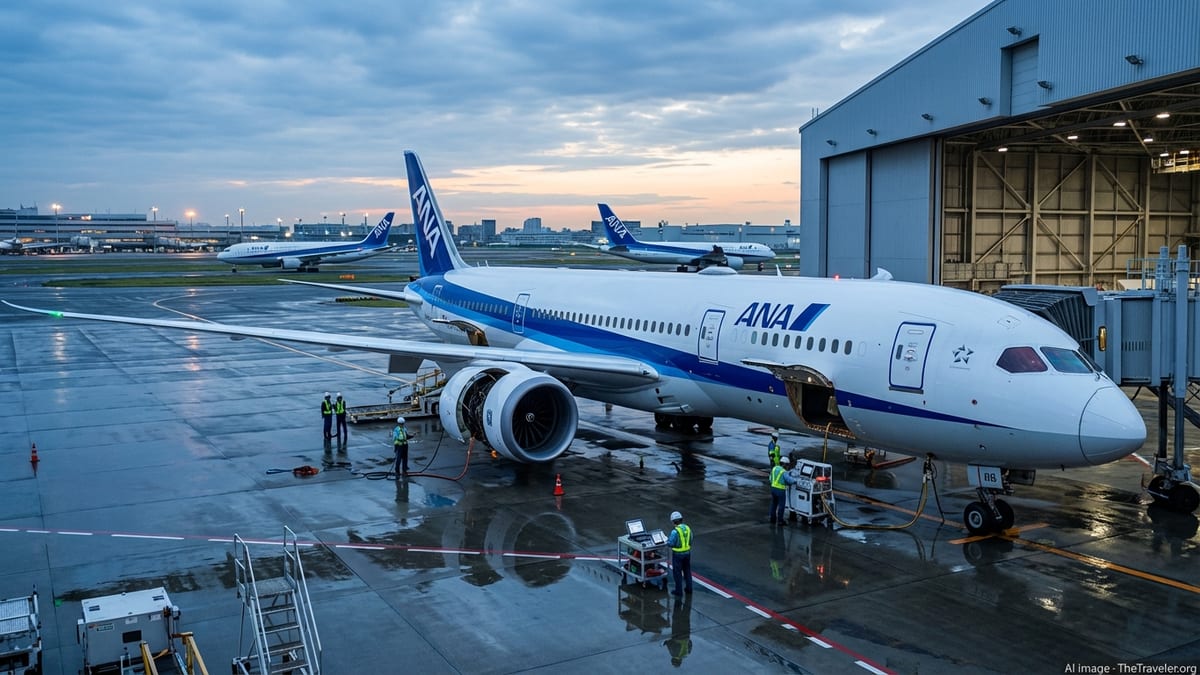
Travelers across Japan are facing widespread disruption after a series of cancellations at Tokyo’s Haneda Airport left eight key domestic services grounded, interrupting links to New Kitakyushu, Osaka Itami and the remote island of Hachijojima and triggering knock-on delays nationwide.
Get the latest news straight to your inbox!
Weather Turmoil and Network Strain Hit Domestic Schedules
The latest wave of cancellations comes in the wake of early June’s severe weather, including Typhoon Jangmi, which prompted carriers to thin out schedules and suspend services on vulnerable coastal and island routes. Published coverage in Japan indicates that hundreds of flights were cut or delayed as the storm moved north, affecting major hubs such as Tokyo, Osaka and Fukuoka as well as secondary airports around Kyushu and the islands.
While the most intense conditions have passed, airlines are still working through the operational hangover, with residual aircraft and crew imbalances feeding into fresh cancellations on busy domestic corridors. The eight grounded flights at Haneda are part of this broader pattern, reducing capacity on routes that are essential for both business and leisure travel and compressing remaining seats onto already crowded departures.
Domestic travelers who had planned tight connections via Haneda to reach regional cities now face unexpected overnight stays, last minute rebookings or costly diversions onto rail. Publicly available information shows that the strain is particularly acute on short haul sectors linking the capital with western Japan and outlying islands, where options are limited when flights are pulled at short notice.
Industry analysts note that Japan’s domestic aviation network has become more sensitive to disruption as carriers juggle fleet renewal, higher demand and increasingly volatile weather patterns. Even short ground stops at key airports can cascade into large scale timetable changes once aircraft and crews fall out of their planned rotations.
New Kitakyushu and Osaka Itami Among Hardest Hit
New Kitakyushu and Osaka Itami, two important domestic gateways in western Japan, are among the destinations most affected by the latest Haneda cancellations. In recent schedule notices, carriers had already outlined seasonal reductions and selective suspensions on Kyushu and Kansai routes, citing efforts to match capacity with demand and to build buffers against weather driven disruption.
The grounding of multiple Haneda services compounds those pre announced cuts, temporarily limiting the number of daily connections available between the Tokyo metropolitan area and industrial centers in northern Kyushu as well as Osaka’s city close Itami airport. For travelers, this means fewer departure choices and longer booking lead times as remaining flights fill quickly.
Business travelers commuting between company headquarters in Tokyo and plants or offices in Fukuoka Prefecture and the Kansai region are reporting extended travel days as they are forced to reroute via alternative airports or switch to the shinkansen at short notice. Travel forums and social media posts describe travelers scrambling to secure seats out of Tokyo after early morning cancellations at Haneda wiped entire blocks of departures to Osaka and western Japan.
Tourism to Kyushu and Kansai is also feeling the impact, particularly for visitors who built itineraries around specific domestic flight times to make the most of short stays. With fewer daytime flights available, some are adjusting plans to focus on regions reachable by high speed rail until airline schedules stabilize.
Remote Hachijojima Cut Off as Island Flights Pulled
The cancellation of services between Haneda and Hachijojima, a volcanic island in the Philippine Sea administered by Tokyo, has had an outsized effect despite the small number of flights involved. For island residents and visitors, the Haneda link is a vital lifeline, supplementing slower and less frequent ferry connections.
Published timetable data shows that Hachijojima is typically served by a limited number of daily flights, with little redundancy if one or two rotations are removed. When several of these services are grounded simultaneously, the island can effectively lose same day access to the capital, stranding passengers and delaying essential trips for medical care, education and government business.
Travel reports from earlier weather events highlight how quickly accommodation on small islands can run short when departures are cancelled, with visitors sometimes extending their stays involuntarily until regular services resume. The latest round of cancellations has revived calls from local stakeholders for more resilient transport planning that takes into account the particular vulnerability of remote island communities.
For travelers planning trips to outlying islands from Haneda, current events underline the importance of building flexibility into itineraries, including leaving extra time between domestic island flights and long haul international departures to avoid missed connections when weather or operational issues arise.
Low Cost Carriers and AirAsia Face Additional Scrutiny
The disruption has also drawn attention to the role of low cost carriers operating to and from Japan. Across the region, AirAsia has attracted scrutiny from travelers over a series of cancellations and route adjustments in recent months, including on services connecting Southeast Asia with Japan. Passengers have described receiving short notice emails about flight cancellations attributed to evolving conditions, leaving them to seek alternatives or request refunds.
Although the latest grounded flights at Haneda involve a mix of full service and low cost operators, the perception that budget airlines are more vulnerable to sudden schedule changes is shaping how some travelers plan domestic and regional hops. Online discussions show passengers increasingly weighing the potential cost of disruption against the savings offered by lower fares, particularly when planning tight same day connections through Tokyo.
Network wide, publicly available information indicates that carriers are shuffling aircraft among routes to maintain core trunk services while trimming marginal or newly launched flights. This can leave some secondary domestic sectors under served in the short term, especially where low cost carriers overlap with established incumbents and demand has been fluctuating with seasonal travel patterns.
For inbound visitors who may be combining a long haul ticket with a separate low cost domestic booking, the current wave of cancellations is a reminder that split itineraries can carry higher risk when weather or operational challenges hit major hubs like Haneda.
Passengers Navigate Rebooking, Refunds and Alternative Routes
As airlines work through the disruption, passengers left isolated by cancelled flights are increasingly turning to alternative transport options and consumer remedies. Travel forums show a growing number of travelers opting for shinkansen services between Tokyo, Osaka and Kyushu when domestic flight reliability becomes uncertain, accepting longer journey times in exchange for more predictable departures.
Others are rebooking onto competing airlines at their own expense when original carriers do not offer same day alternatives from Haneda. Some travelers report relying on credit card travel insurance or separate policies to recover the cost of additional hotel nights, new tickets and unexpected ground transport after cancellations and missed connections.
Guidance shared online encourages affected passengers to document all expenses, monitor airline apps and email notifications closely and to act quickly when rebooking windows open, as replacement seats on popular routes to Osaka Itami and Kyushu can sell out within hours after a mass cancellation event.
With the summer travel season approaching, the situation at Haneda is prompting calls among frequent travelers for clearer, more proactive communication from airlines about potential schedule thinning during forecast storms and operational pinch points. For now, those moving through Tokyo’s busiest airport are advised to build in extra time, keep plans flexible and consider backup options by rail or via alternate airports such as Narita or Kansai when planning trips that involve Japan’s domestic network.