


More news on this day
The United Kingdom has removed its strongest warning against travel to the United Arab Emirates, following a recent peace agreement between the United States and Iran that has eased fears of wider regional conflict and restored more stable conditions across the Gulf.
Get the latest news straight to your inbox!
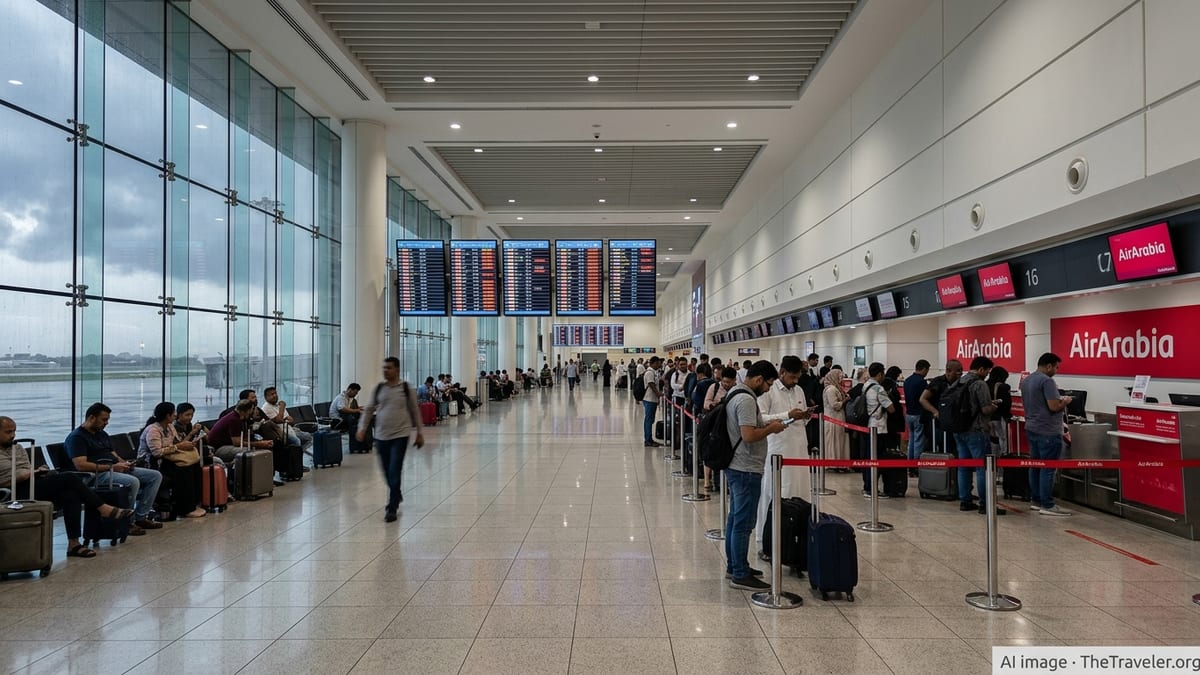
Change in UK Guidance for Travel to the UAE
Publicly available information from the UK Foreign, Commonwealth and Development Office shows that the United Arab Emirates has been taken off a list of destinations subject to the highest level of travel warning. The earlier advisory, issued during the height of the US Iran conflict, urged UK nationals to avoid all but essential travel to the country because of the risk of spillover attacks and disruption in Gulf airspace and waters.
The latest update indicates that routine tourism and business trips are no longer discouraged, although standard safety and security advice remains in place. Insurance validity, which is often linked to official government guidance, is expected to be restored for most policies covering British travellers heading to the UAE.
Reports from regional and specialist travel outlets note that the easing of the advisory took effect shortly after the announcement of a peace deal between Washington and Tehran. The timing is being interpreted by analysts as a signal that the UK now assesses the risk of direct or accidental escalation in and around the UAE to have diminished.
While the travel warning level has been reduced, the FCDO continues to advise travellers to monitor updates closely, reflecting the broader view that the underlying security situation across parts of the Middle East remains fluid even after the peace accord.
US Iran Peace Deal Reduces Regional Risk
The change in British travel advice comes in the wake of an initial peace agreement between the United States and Iran that formally ended months of open conflict and reopened the Strait of Hormuz to commercial traffic. According to widely circulated coverage by international outlets, the deal includes a ceasefire framework and provisions for further talks on nuclear issues, sanctions relief and regional security arrangements.
The memorandum of understanding, made public in recent days, sets out a 60 day period for negotiating a more permanent settlement. During this window, both sides have committed to halt offensive operations covered by the deal and to facilitate the movement of energy shipments through the Strait of Hormuz, a critical route for global oil and liquefied natural gas exports.
Analysts quoted across think-tank commentary and financial reporting describe the agreement as fragile but significant. The reopening of key shipping lanes and the easing of fears of a wider regional confrontation have already influenced the risk calculations used by governments and insurers when assessing Gulf destinations such as the UAE, Qatar and Bahrain.
Although some incidents and rhetorical tensions persist, the overall assessment in recent reporting is that the risk of direct strikes on Gulf hubs has receded compared with the peak of the crisis earlier in 2026. This risk recalibration appears to underpin the UK decision to scale back its warning on non essential travel to the UAE.
Impact on Tourism, Aviation and Insurance
The lifting of the strict advisory is expected to provide a boost to the UAE’s tourism and aviation sectors, which rely heavily on inbound travellers from Europe, including the UK. Travel industry commentary suggests that British holidaymakers and business visitors were already beginning to return to Gulf destinations following the ceasefire announcement in April, but many remained cautious while the formal status of the conflict and travel guidance were unclear.
Major carriers based in the UAE continued to operate through the crisis, but flight schedules and routings were adjusted in response to airspace restrictions and perceived security risks. With the peace deal in place and the UK advisory eased, airlines are expected to review contingency routings and capacity plans for the coming months, particularly for the busy autumn and winter travel periods when Gulf destinations typically see strong European demand.
The move is also significant for the travel insurance market. Many UK policies reference FCDO advice when determining cover for cancellation, medical expenses and disruption. With the advisory now softened, brokers and consumer advocates anticipate broader availability of standard policies for trips to the UAE, potentially at lower premiums than during the height of the crisis.
Hotel operators and destination marketing bodies in Dubai, Abu Dhabi and other emirates are likely to highlight the updated UK guidance in their messaging to the British market, emphasizing a return to more normal travel conditions while still acknowledging that visitors should remain informed about regional developments.
Regional Context and Remaining Caution
Despite the more positive outlook, experts quoted in policy briefings and regional analysis emphasise that the US Iran agreement remains provisional and contingent on further negotiations. The framework leaves some of the most sensitive issues, including ballistic missile capabilities and longer term nuclear constraints, to be addressed in follow up talks. Any serious breakdown in those discussions could reintroduce uncertainty for Gulf states and international travellers.
Security assessments also point out that the UAE sits in a complex regional environment that includes unresolved conflicts and proxy dynamics involving Yemen, Lebanon and other arenas. While the current deal has reduced the immediate risk of direct confrontation between Washington and Tehran, it has not removed the potential for localised tensions that could, in certain scenarios, affect air routes or shipping corridors.
As a result, the revised UK guidance continues to stress the importance of situational awareness. Travellers are encouraged in public advisories to register their details, follow local media and official channels, and remain prepared for rapid changes, particularly in relation to flight operations or regional transit points.
Industry observers note that travel patterns into the UAE often respond quickly to changes in perceived risk. If the peace process holds and further de escalation measures follow, tourism operators and airlines expect bookings from the UK and other European markets to strengthen through late 2026. Conversely, any significant deterioration in talks or renewed disruption in the Strait of Hormuz could prompt a fresh round of government advisories and commercial adjustments.
What UK Travellers Should Expect Now
For British nationals planning trips to the UAE, the latest developments mean they are less likely to face blanket restrictions or insurance exclusions tied directly to the regional conflict. Travel booking platforms and tour operators are already updating their guidance pages to reflect the easing of the UK advisory and the broader reduction in assessed regional risk.
Travellers can expect airport operations in major UAE hubs such as Dubai and Abu Dhabi to continue largely as normal, with airlines monitoring the security environment and airspace conditions in coordination with international aviation authorities. Some carriers may maintain contingency routes or flexible scheduling as a precaution while the peace framework between Washington and Tehran is still in its early stages.
Advisories continue to underline the value of flexible booking options, comprehensive insurance and close attention to any changes in official guidance. While the removal of the strongest warning marks a notable step toward normalisation, the situation is still regarded as evolving rather than fully resolved.
For now, the combination of a US Iran peace deal and the easing of UK travel advice offers a more encouraging outlook for trips to the UAE than at any time since the start of the 2026 crisis, positioning the Gulf state to reclaim its role as a major hub for British leisure and business travel.