


More news on this day
Hapag-Lloyd Cruises is sharpening its focus on Northern Europe as the upgraded expedition ship Hanseatic Spirit leaves Antarctica behind for new Baltic and North Sea itineraries, signaling growing demand for small-ship exploration closer to home ports.
Get the latest news straight to your inbox!
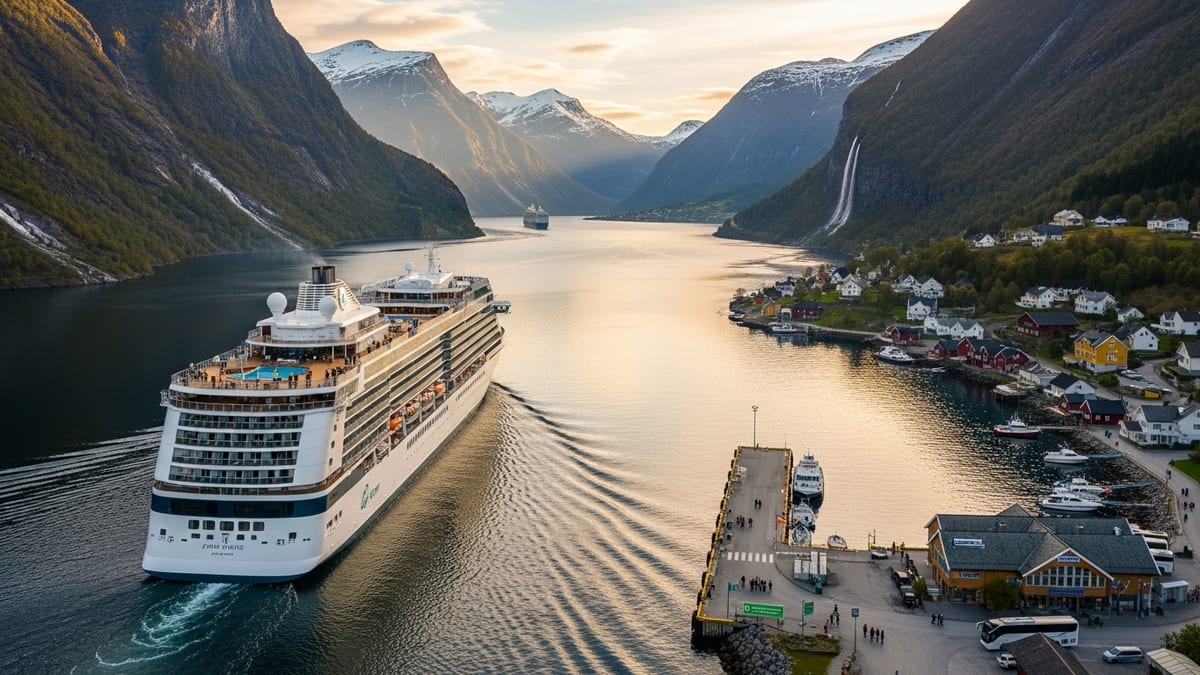
Refit Supports Strategic Shift Away From Antarctica
Publicly available information shows that Hapag-Lloyd Cruises has cancelled Hanseatic Spirit’s previously scheduled 2024 to 2025 Antarctic season and reassigned the 230 guest expedition vessel to Northern Europe. Reports in German and industry media describe the move as part of a wider adjustment to softer booking trends on some long haul polar routes and rising interest in shorter, more accessible expedition style voyages.
The change follows a period of technical work and class related upgrades across Hapag-Lloyd’s new generation expedition fleet. Sister ship Hanseatic Inspiration completed a ten day dry dock program in Bremerhaven in 2024 that combined class renewal with hotel refurbishments, and the same template of targeted renovation and maintenance has been progressively applied to Hanseatic Spirit. Available fleet documentation indicates that the work has centered on efficiency, comfort and environmental performance rather than a wholesale redesign.
Industry coverage highlights that this refit driven strategy allows the line to reposition capacity quickly without committing to entirely new tonnage. For Northern Europe, that means a modern, ice capable vessel that can be deployed flexibly between early spring coastal voyages, high summer Arctic expeditions and late season cultural itineraries linking smaller ports from the North Sea to the Baltic.
Analysts note that the redeployment also reduces overlap with Hanseatic Nature and Hanseatic Inspiration, both of which remain committed to Antarctica during the same winter period. Concentrating three sister ships in a single remote region is viewed as increasingly difficult at a time when expedition capacity to Antarctica has grown rapidly and environmental regulations are tightening.
Upgraded Sustainability Features for Sensitive Coastal Regions
The renovation and associated technical projects on Hanseatic Spirit have placed particular emphasis on environmental performance, a key consideration for expedition vessels operating in ecologically sensitive Northern European waters. TUI Group and Hapag-Lloyd Cruises announcements describe how the expedition class has been progressively equipped for shore power operations and alternative fuels, including successful shore power tests on the structurally similar Hanseatic Nature followed by approval of Hanseatic Spirit’s own land power connection.
Recent coverage of Hanseatic Spirit’s sustainability initiatives indicates that the ship can now use certified biofuel blends on selected voyages and connect to green shore power where available in ports such as Hamburg. These capabilities are significant for itineraries that include longer overnight stays in urban harbors and for calls in fjordlike environments where local authorities are increasingly setting emissions limits for visiting ships.
Technical literature on the expedition class points to hull forms optimized for lower resistance, dynamic positioning systems designed to minimize anchoring in sensitive seabeds and stringent wastewater and waste treatment standards. The latest renovation work has been described as reinforcing these features through updated software, overhauled propulsion components and renewed coatings below the waterline to cut fuel consumption.
For Northern European destinations that market themselves as sustainable cruise gateways, these upgrades strengthen the case for accepting smaller, premium expedition vessels over large mainstream ships. Regional tourism boards and cruise ports have been positioning shore power capability and reduced emissions as prerequisites for future growth, trends that align closely with the Hanseatic Spirit program.
New Northern Europe Expedition Routes and Port Calls
With the Antarctic program removed from the calendar, Hanseatic Spirit’s deployment now leans heavily toward Northern Europe, including the Baltic Sea, the Norwegian coast and Arctic regions such as Svalbard and Greenland. Published itineraries outline a series of coastal expedition cruises that blend classic city ports with lesser known islands, nature reserves and cultural sites that are difficult for larger vessels to access.
Travel trade materials and seasonal catalogs for the expedition fleet show that Hanseatic Spirit is scheduled to operate extended voyages that trace the rugged Norwegian coastline, explore ice filled fjords and sail toward the edge of the Arctic ice in summer. Other departures concentrate on the Baltic’s archipelagos and remote harbors in countries such as Finland, Estonia and Sweden, where shallow draft and compact dimensions allow the ship to berth or anchor close to historic town centers and uninhabited skerries.
Industry observers point out that this style of deployment supports a shift in expedition cruising from a purely polar focus to a broader concept of immersive regional exploration. In practice, passengers accustomed to Antarctica style operations encounter Zodiac landings on smaller islands, expert led hikes along coastal trails and wildlife observation in bird sanctuaries or marine protected areas throughout Northern Europe.
For ports and coastal communities, the arrival of an upgraded expedition vessel like Hanseatic Spirit can mean a steadier flow of off season calls. Schedules published for recent and upcoming years indicate voyages taking place well beyond the traditional summer peak, including shoulder season visits that can help extend the tourism calendar for local businesses reliant on seasonal trade.
Economic Impact on Coastal Tourism and Niche Ports
The refit and redeployment of Hanseatic Spirit are expected to have tangible economic implications for Northern European coastal tourism. Reports tracking cruise traffic in the region note that small expedition ships often generate higher per guest spending ashore than large mainstream vessels, as itineraries typically feature longer port times, smaller group excursions and a focus on locally sourced services and experiences.
Ports that once saw only occasional calls from large ocean liners are now appearing in expedition cruise brochures as signature stops. Examples include outlying islands in the German Bight, small Norwegian fishing settlements and Baltic coastal towns that can welcome ships of Hanseatic Spirit’s size without major infrastructure expansion. For these communities, each arrival can support local guides, family run restaurants, craftspeople and transport providers that might otherwise struggle to secure international exposure.
Professional associations that monitor cruise development in Northern Europe have also underscored the role of expedition vessels in diversifying source markets. With Hanseatic Spirit targeting primarily German speaking travelers while other lines cater to English and multilingual audiences, a wider range of visitors is being introduced to destinations outside major cities such as Copenhagen, Stockholm or Bergen.
However, commentators caution that even small ships require careful visitor management. The combination of more frequent calls and focused landing operations can put pressure on fragile natural sites if not coordinated with local authorities and conservation bodies. The upgraded environmental features on Hanseatic Spirit, together with operating practices refined in polar regions, are seen as tools to mitigate these risks, but long term benefits will depend on continued collaboration at the destination level.
Expedition Market Trends Favor Flexible, Renovated Tonnage
Hanseatic Spirit’s renovation and Northern Europe focus mirror broader trends across the expedition cruise segment, where lines are adjusting capacity in response to shifting demand and regulatory changes. Trade publications in the polar travel field have documented an emerging overcapacity in Antarctica as multiple new ships entered service, prompting some operators to scale back or reassign vessels to the Arctic, South America or alternative regions.
Rather than commissioning entirely new ships, several brands have opted to extend the life of relatively young expedition tonnage through focused refurbishment programs, technological updates and new itineraries. Industry commentary notes that this approach can be less capital intensive while allowing companies to pivot to regions such as the North Atlantic, the British Isles or the Great Lakes if environmental rules or geopolitical developments affect existing deployment plans.
For travelers, Hanseatic Spirit’s journey from a long haul Antarctic schedule to an upgraded role in Northern Europe illustrates how expedition cruising is evolving. The same ice rated hull, specialized equipment and onboard expertise that once supported remote southern itineraries are being redirected toward coastal destinations closer to major source markets, with renovations ensuring that the onboard experience remains competitive in a fast changing segment.
For coastal regions stretching from the English Channel to the Arctic Circle, the ship’s refreshed hardware and expanded Northern Europe program signal both new opportunities and fresh responsibilities as expedition style cruise tourism becomes a more visible part of the local maritime landscape.